
Introduction
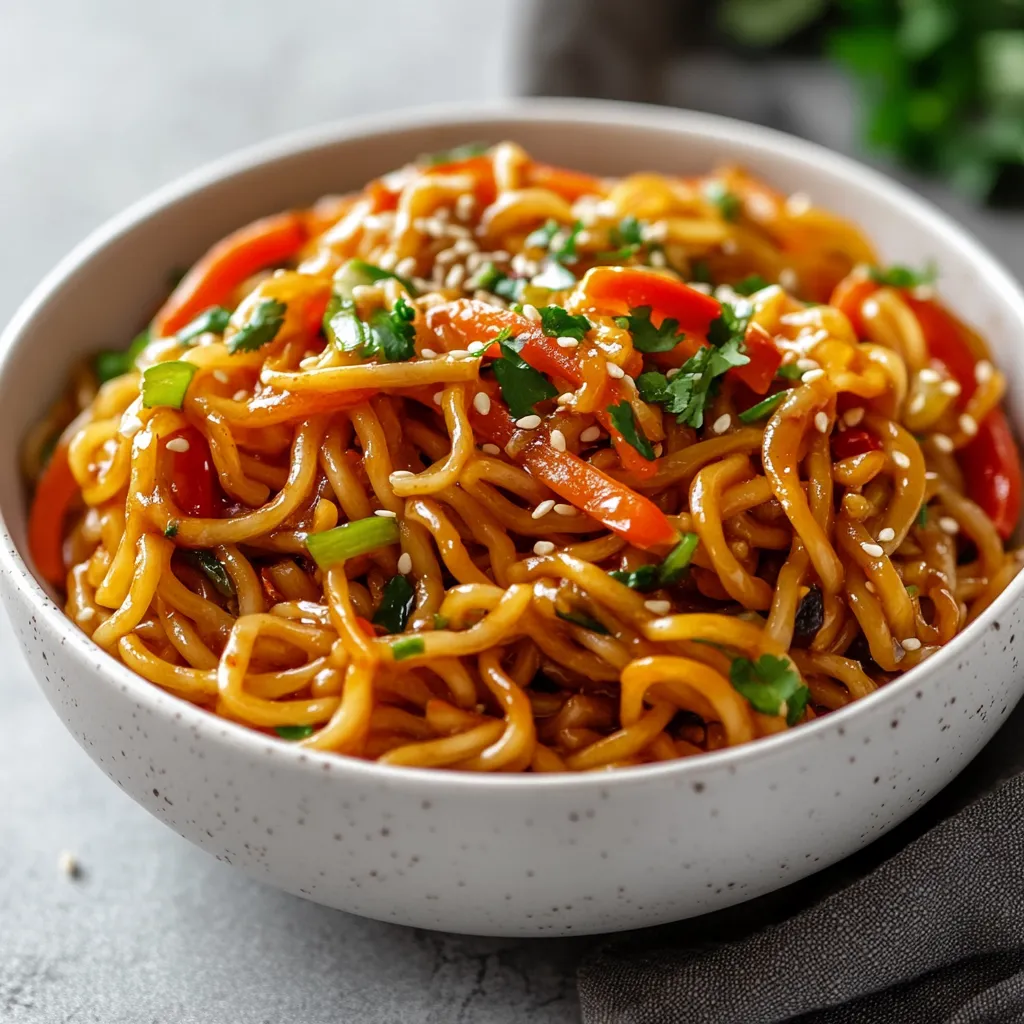
Yakisoba is a beloved Japanese noodle dish that has become popular worldwide for its versatility and flavor. Known for its stir-fried noodles, yakisoba can be easily tailored with various vegetables and proteins, making it a suitable choice for any meal. This easy recipe for Springtime Yakisoba Noodles Delight brings a refreshing twist to the classic dish, highlighting seasonal ingredients like colorful bell peppers, crisp bean sprouts, and nutrient-rich carrots.
Spring is the perfect time for this dish, as it celebrates the vibrant and fresh flavors of the season. Ideal for picnics, family gatherings, or light lunches, the Springtime Yakisoba Noodles Delight offers a satisfying way to enjoy the warming weather. With quick preparation and a medley of colorful ingredients, it is both nutritious and appealing to the eyes, creating an inviting dish that everyone will love.
Recipe Overview
– Total Time: 30 minutes
– Prep Time: 15 minutes
– Servings: 4
– Difficulty: Not specified in the recipe
The appeal of this dish lies not only in its beautiful presentation but also in its convenience. The combination of yakisoba noodles and fresh vegetables creates a colorful, nutritious meal that can be whipped up quickly. Whether you are planning a family picnic or simply want a light lunch at home, this recipe is an excellent choice that provides a burst of flavor and healthful ingredients.
Ingredients
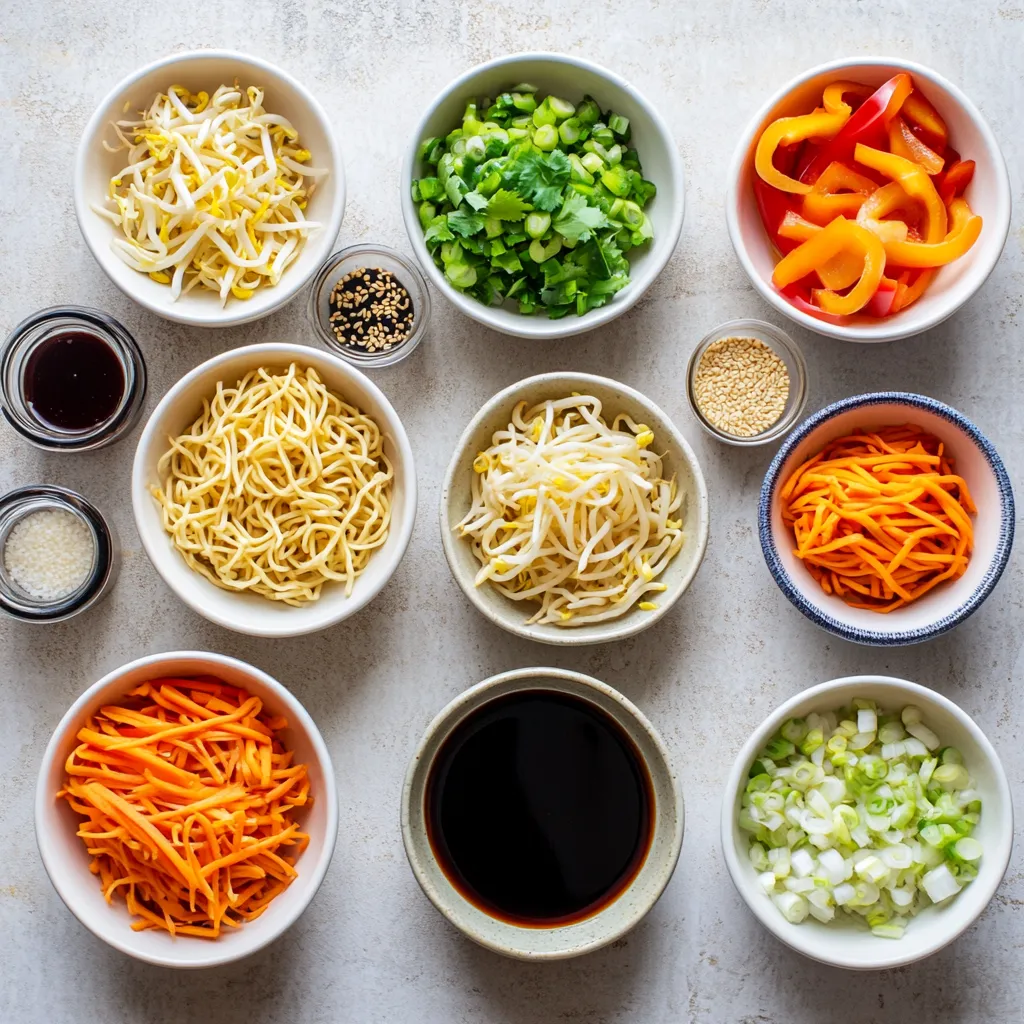
– 8 oz yakisoba noodles (or fresh ramen noodles)
– 2 tablespoons vegetable oil
– 1 medium onion, thinly sliced
– 1 bell pepper (red or yellow), thinly sliced
– 1 cup shredded carrots
– 1 cup bean sprouts
– 2 green onions, chopped (plus extra for garnish)
– 2 cloves garlic, minced
– 1 tablespoon ginger, minced
– 3 tablespoons soy sauce
– 1 tablespoon Worcestershire sauce
– 1 tablespoon oyster sauce (optional)
– 1 teaspoon sesame oil
– Salt and pepper to taste
– Sesame seeds for garnish
– Fresh cilantro or parsley for garnish (optional)
The ingredients for this yakisoba recipe offer a wonderful base for seasonal creativity. While yakisoba noodles are the traditional choice, fresh ramen noodles can also be used, allowing for flexibility based on what you have available. The bright colors of the bell peppers and carrots provide not only taste but also visual appeal. Furthermore, the addition of optional garnishes like sesame seeds and fresh herbs enhances both flavor and presentation, inviting diners to enjoy a delicious, home-cooked meal.
Preparing the Noodles
Understanding Noodle Options
When making yakisoba, noodle choice is crucial for achieving the best texture and taste. Dried yakisoba noodles are commonly available in stores and are convenient for a quick meal. On the other hand, fresh ramen noodles can also be used as an alternative, offering a softer and more delicate bite. Understanding the characteristics of each noodle type helps you decide which will suit your dish best.
Cooking Techniques
To prepare dried yakisoba noodles, follow the package instructions closely. Generally, this involves boiling the noodles in water for a few minutes until they are tender yet firm, also known as al dente. Once cooked, drain them well and set aside. If using fresh ramen noodles, they require less cooking time and can typically be separated and set aside without boiling.
Preparing Fresh Noodles
Handling fresh ramen noodles is relatively simple. To prepare them, gently separate the strands before cooking, taking care to not break them apart. If they are stuck together, you may dip them in boiling water for a few seconds to loosen them up. Once they are separated, allow them to rest while you prepare the other ingredients, ensuring they are ready to be incorporated later in the cooking process.
Heating the Oil
Choosing the Right Pan
Selecting the right cooking vessel is important for achieving ideal results with this yakisoba dish. A large skillet or wok is highly recommended, as both options allow for ample space to stir-fry the vegetables and noodles effectively. Using a wok can provide higher heat levels for stir-frying and achieve that authentic crispy finish on the ingredients. However, if a large skillet is more accessible, it will also work just fine, producing delicious yakisoba.
Achieving the Perfect Temperature
To ensure the oil is at the right temperature for sautéing, heat it over medium-high heat until it shimmers. This shimmering effect indicates that the oil is hot enough to facilitate effective cooking without burning the ingredients. If the oil begins to smoke, it may be too hot, and you should lower the heat slightly before adding the vegetables. Properly heating the oil is critical to achieving that delightful stir-fry texture, allowing flavors to meld while keeping the veggies crisp.
Sautéing Aromatics
Importance of Aromatics
Aromatics are the building blocks of flavor in many dishes. In this Springtime Yakisoba Noodles Delight, garlic, ginger, onions, and bell peppers combine to create a fragrant base that enhances the overall taste profile. The onions and bell peppers soften and develop sweetness, while garlic and ginger introduce a hint of heat and earthiness, setting the stage for the subsequent ingredients.
Cooking Techniques
Start by adding the thinly sliced onion and bell pepper into the hot oil. Stir-fry these aromatics for about 2-3 minutes until they soften, which allows their flavors to infuse into the oil. Following this, introduce minced garlic and ginger, cooking for an additional minute until their lovely aromas waft through your kitchen, indicating they are ready to contribute to the dish. Timing is key in this step, and ensuring the aromatics are cooked properly will make a significant difference in the final flavor.
Adding Vegetables
Choosing Fresh Produce
For the Springtime Yakisoba Noodles Delight, using fresh produce is essential for adding both flavor and nutrition. When selecting carrots, look for firm, unblemished ones that have vibrant color. Fresh bean sprouts should be crisp and crunchy, free from wilting. Choosing quality ingredients ensures that your dish will be bright, fresh, and full of flavor, which is especially important in this vibrant springtime recipe.
Stir-Frying Techniques
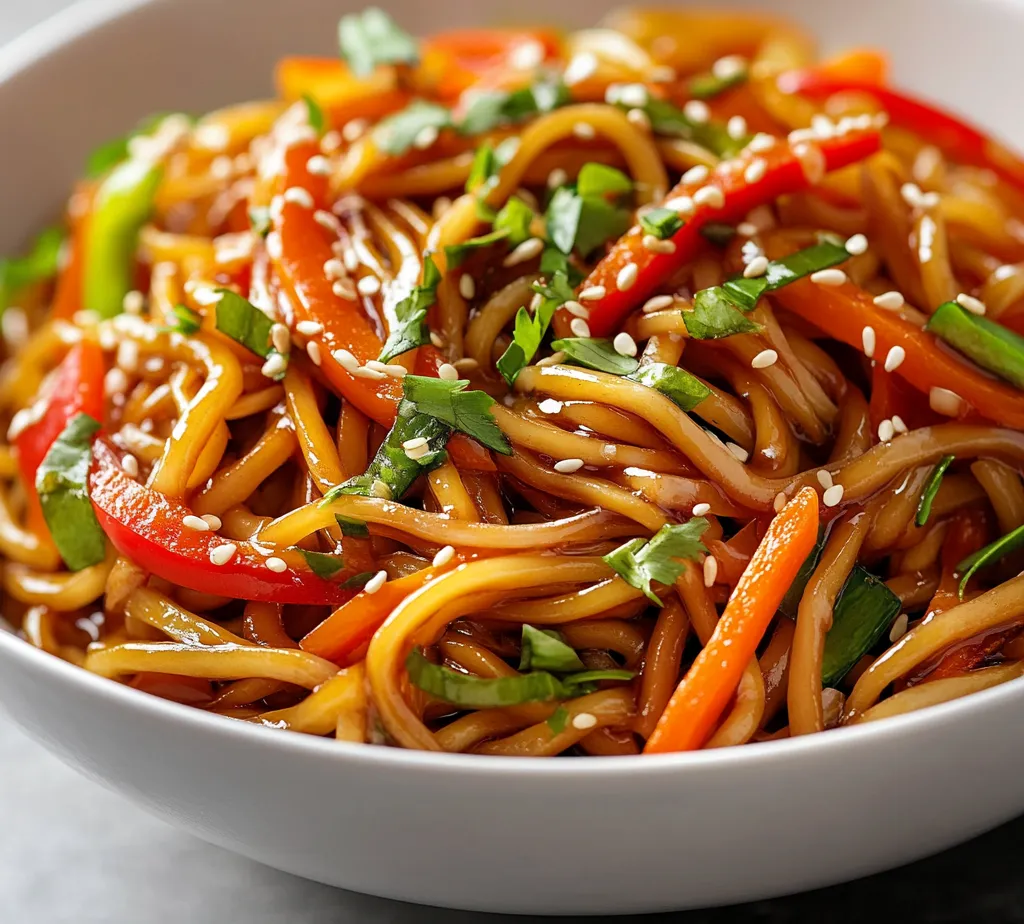
Achieving the perfect stir-fry is a balance of timing and technique. Start with a hot skillet or wok; this is crucial as it ensures even cooking and gives your vegetables that delightful char while still retaining their crunch. Using a high smoke point oil, like vegetable oil, allows you to achieve that coveted sear without burning the oil. When adding your onions and bell peppers, it’s important not to overcrowd the pan, which can lead to steaming rather than stir-frying. If you’re preparing a larger batch, consider working in batches to maintain that high heat.
Ensuring vegetables maintain their texture during cooking
When working with vegetables such as carrots, bean sprouts, and bell peppers, it’s key to understand their cooking times. Start with sturdier vegetables like onions and bell peppers, which take longer to soften. By introducing the carrots and bean sprouts a few minutes later, you can ensure that everything remains perfectly cooked yet crisp. Rapid cooking at a high temperature will prevent them from becoming mushy, allowing the bright colors and nutritional benefits to shine through. Keep a close eye on the vegetables and stir frequently to prevent any sticking or burning.
Incorporating Noodles
Mixing Tips
Integrating the yakisoba noodles with the vegetables requires gentle handling to prevent breaking them apart. If you’re using fresh ramen noodles, be particularly cautious as they are more delicate. Start by adding the cooked noodles gradually into the skillet, using a spatula or tongs to lift and fold rather than stirring vigorously. This technique ensures that each noodle gets coated with the delicious sauce while maintaining their integrity, giving you a satisfying and colorful dish.
Ensuring Even Coating
Once the noodles are added, thorough mixing becomes paramount for flavor uniformity. The sauces need to envelop every strand of noodle and piece of vegetable for a balanced taste in each bite. Instead of a traditional stirring motion, use a folding technique to lift and toss all the ingredients together gently. This will also help in preventing the noodles from sticking together or clumping, ensuring an enjoyable texture throughout the dish.
Flavoring the Dish
Understanding Sauces
The role of each sauce in your Springtime Yakisoba Noodles Delight can transform a simple noodle dish into a flavor-packed experience. Soy sauce introduces depth and saltiness, Worcestershire sauce adds a tangy note, and oyster sauce (if used) contributes a rich, savory sweetness. Together, these sauces not only enhance the noodles but also elevate the vegetables, making them harmoniously balanced. Be mindful of the quantity, as different brands may vary in strength; tasting as you go will help achieve that perfect balance.
Balancing Flavors
Adjusting seasoning is a critical final step. After combining all the ingredients, take a moment to taste. Depending on your preference, you may want to add more soy sauce for saltiness or a touch of sugar if you desire additional sweetness. A sprinkle of freshly cracked black pepper can also add an extra layer of flavor. The key is to aim for a well-rounded profile that allows the distinct elements of the dish to shine without overpowering each other.
Finishing Touches
Adding Green Onions
Incorporating fresh green onions right before serving not only enhances the dish’s flavor but also provides a crisp and fresh contrast to the cooked ingredients. Their mild onion taste adds complexity while the green adds a vibrant pop of color to the final presentation. This technique of folding them in at the last minute preserves their texture and prevents them from wilting, making them a perfect finishing touch.
Final Decoration
Garnishing should not be overlooked, as it elevates the visual appeal of your dish. A generous sprinkle of sesame seeds provides an attractive textural contrast and a nutty flavor that can enhance the overall taste. Fresh herbs like cilantro or parsley can also brighten the appearance while offering a hint of freshness that complements the dish beautifully. Experiment with plating – arrange the noodles in an inviting manner and create height in your presentation for a more professional look.
Serving Suggestions
Ideal Serving Temperature
Yakisoba can be enjoyed in two distinct ways: warm or at room temperature. When served warm, the flavors meld beautifully, creating a comforting dish perfect for a cozy family dinner. However, the versatility of this dish makes it ideal for picnic spreads as well since it retains its taste and quality even when cooled. Just ensure it’s stored in a suitable container to maintain freshness if transported.
Presentation Tips
Using colorful bowls or containers can dramatically enhance the dining experience. Selecting dishes in spring-themed colors such as pastel blues or greens can echo the freshness of the ingredients used. Layering garnishes on top and around the sides of the bowl adds dimension and visual appeal. Inviting presentations encourage enjoyment and can be especially beneficial when entertaining guests.
Enjoying Your Yakisoba
Meal Versatility
Springtime Yakisoba Noodles Delight is a fantastic standalone meal due to its balance of carbohydrates, vegetables, and flavors. However, it also pairs well with other dishes if you’re looking for variety. Consider serving it alongside simple grilled meats or tofu for added protein or a light, crisp salad to enhance the meal’s fresh qualities. Its versatility makes it suitable for various occasions, from casual lunches to more festive gatherings with friends.
Pairing Suggestions
To complement the flavors in your yakisoba, consider side dishes that enhance its experience without overwhelming it. Lightly pickled vegetables can provide a refreshing crunch; they offer a contrast to the richer flavors of the sauces. Additionally, a simple miso soup can round out the meal, adding warmth and depth—a fantastic way to showcase various elements of Japanese cuisine.
Conclusion
The Springtime Yakisoba Noodles Delight offers a harmonious blend of flavors and textures, with vibrant vegetables and fragrant sauces. Ready in just 30 minutes, this dish is a delightful addition to any spring meal, perfect for enjoying both warm and at room temperature. The combination of noodles and fresh produce makes for a nourishing, colorful plate that suits any casual occasion.
Springtime Yakisoba Noodles Delight Recipe
Ingredients
- 8 oz yakisoba noodles
- 2 tablespoons vegetable oil
- 1 medium onion thinly sliced
- 1 each bell pepper red or yellow, thinly sliced
- 1 cup shredded carrots
- 1 cup bean sprouts
- 2 each green onions chopped
- 2 cloves garlic minced
- 1 tablespoon ginger minced
- 3 tablespoons soy sauce
- 1 tablespoon Worcestershire sauce
- 1 tablespoon oyster sauce
- 1 teaspoon sesame oil
- Salt and pepper to taste
- Sesame seeds for garnish
- Fresh cilantro or parsley for garnish
Instructions
- Prepare the noodles according to package instructions and set aside.
- Heat vegetable oil in a large skillet or wok over medium-high heat.
- Sauté onion and bell pepper for 2-3 minutes until softened.
- Add minced garlic and ginger, cooking for an additional minute.
- Toss in shredded carrots and bean sprouts, stir-frying for 3-4 minutes.
- Add cooked yakisoba noodles and gently toss with vegetables.
- Drizzle in soy sauce, Worcestershire sauce, oyster sauce, and sesame oil, mixing thoroughly.
- Fold in chopped green onions, reserving some for garnish.
- Transfer to a picnic-friendly container, sprinkle with sesame seeds and herbs.