
Introduction
Hearty vegetable soups resonate deeply with many, appealing not only for their comforting warmth but also for their built-in nutrition. Especially during colder months or when recovering from illness, a bowl of vegetable soup can lift spirits and provide a hearty meal without weighing you down. This recipe for Hearty Garden Vegetable Soup is a perfect example of how to create something deliciously filling yet beneficial to your health.
Incorporating a robust mix of vegetables, this soup is a fantastic way to enhance your daily intake of essential nutrients. Packed with vitamins, minerals, and dietary fiber, each ingredient plays a crucial role in contributing to a well-balanced diet. Furthermore, it’s suitable for various occasions, whether you need a quick dinner solution, a side dish for a gathering, or a comforting meal after a long day.
Prepare to enjoy the delightful combination of flavors that this soup offers. Its vibrant colors and fresh ingredients make it a standout dish that both appetites and eyes will appreciate. Not only is it hearty, but it is a celebration of vegetables in their prime.
Recipe Overview
– Total Time: 50 minutes
– Prep Time: 15 minutes
– Cooking Time: 35 minutes
– Yield/Servings: 6 servings
– Difficulty: Not specified in the recipe
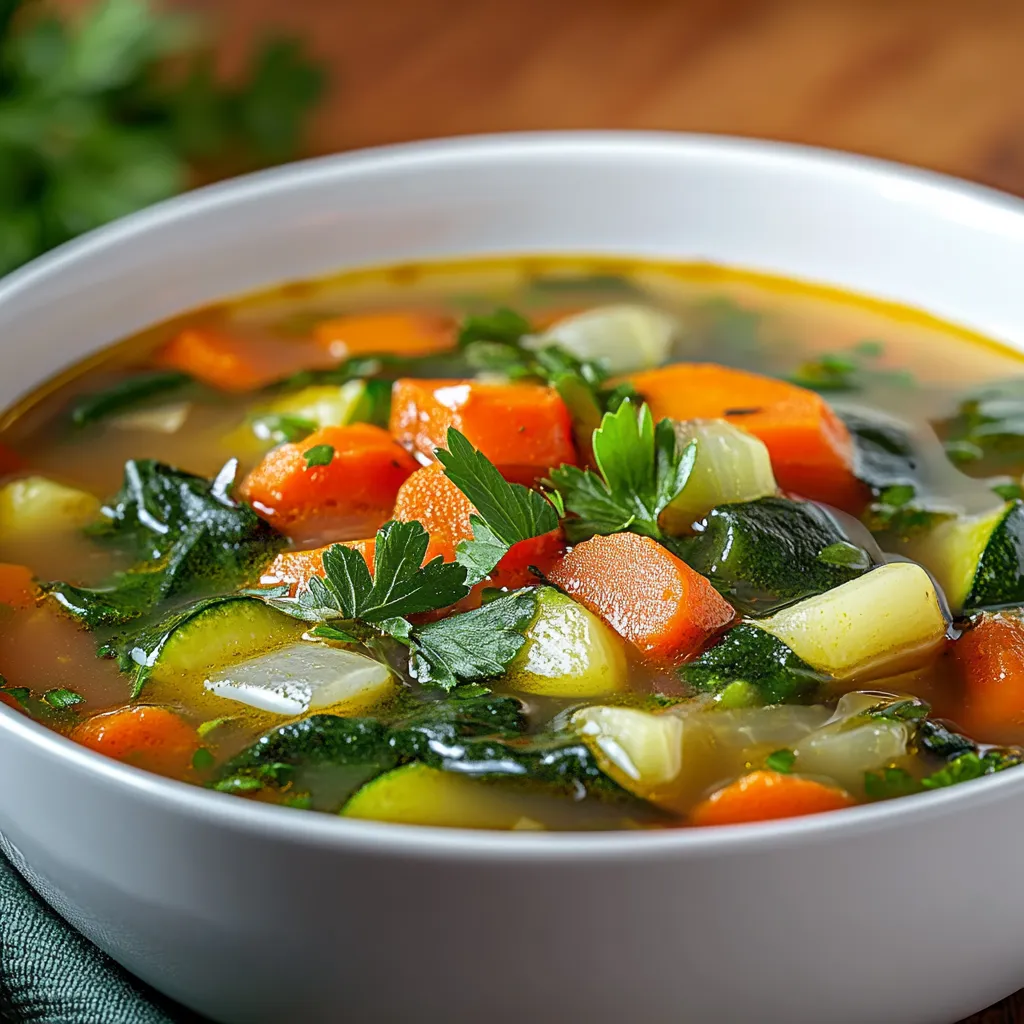
The Hearty Garden Vegetable Soup is savory, bursting with flavors that mingle beautifully as they simmer. The vegetables create a satisfyingly chunky texture, while the herbs infuse a delightful aroma. Each bowl is not just a meal but a warm hug on a chilly evening, making it ideal for family gatherings or a cozy night in.
The ingredients offer numerous nutritional benefits, with antioxidants from tomatoes and a rich source of vitamins in spinach and carrots. The balance of fresh ingredients and the warmth from herbs brings not just sustenance but a refreshing experience. Whether served as a starter or a main dish, this soup shines in its versatility and heartiness.
Ingredients
– 2 tablespoons extra virgin olive oil
– 1 medium onion, finely diced
– 3 cloves garlic, minced
– 2 medium carrots, diced
– 2 celery stalks, diced
– 1 bell pepper (any color), diced
– 1 medium zucchini, diced
– 1 cup green beans, trimmed and cut into 1-inch segments
– 1 cup diced tomatoes (canned or fresh)
– 4 cups vegetable broth
– 1 teaspoon dried thyme
– 1 teaspoon dried basil
– 1 bay leaf
– Salt and freshly ground black pepper, to taste
– 1 cup corn (fresh, frozen, or canned)
– 1 cup fresh spinach or kale, roughly chopped
– Optional: Fresh parsley, chopped, for garnish
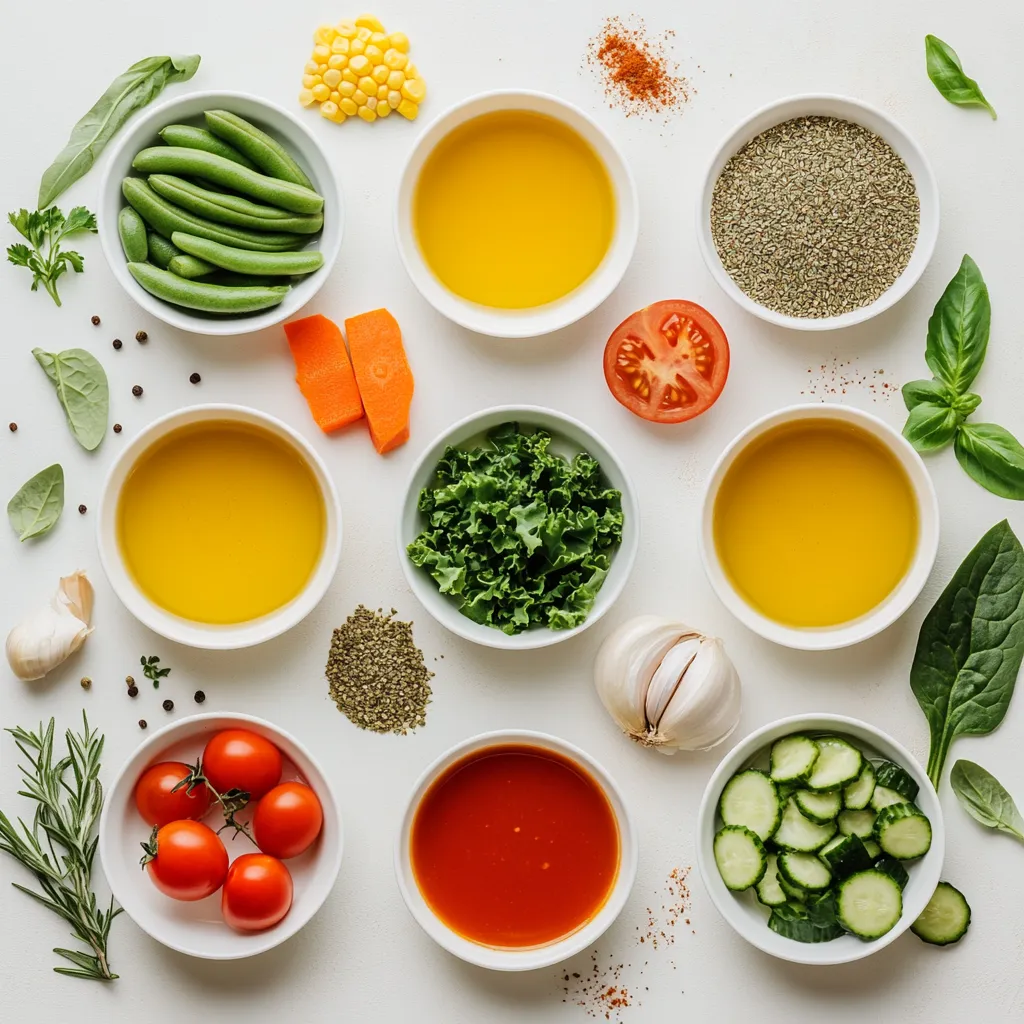
Each ingredient in this hearty soup adds a distinctive touch to the overall flavor, from the aromatic garlic and onion to the vibrant colors of zucchini and bell peppers. Fresh or canned tomatoes provide depth, while the vegetable broth serves as a savory base that ties everything together. The seasoning with thyme and basil heightens the vegetable medley’s heartiness, making every bite a fulfilling experience.
Instructions
1. In a large, heavy-bottomed pot, heat the extra virgin olive oil over medium heat. Once hot, add the finely diced onion and sauté for about 5 minutes, or until the onion becomes translucent and fragrant.
2. Add the minced garlic to the pot and continue to sauté for an additional minute, stirring frequently to prevent burning.
3. Next, introduce the diced carrots, celery, and bell pepper. Sauté these vegetables for approximately 5-7 minutes, allowing them to soften slightly.
4. Stir in the diced zucchini and green beans, cooking for another 3-4 minutes until these vegetables are tender but still vibrant.
5. Pour in the diced tomatoes along with their juices, followed by the vegetable broth.
6. Season the soup with dried thyme, dried basil, the bay leaf, and a generous pinch of salt and pepper. Stir well to combine all the ingredients.
7. Increase the heat to bring the soup to a boil, then reduce the heat to a gentle simmer. Cover the pot and let it simmer for 20-25 minutes, allowing the flavors to meld beautifully.
8. After the simmering time, add in the corn and the chopped spinach or kale. Continue to simmer for an additional 5-10 minutes, or until the greens are wilted and the corn is heated through.
9. Taste the soup and adjust the seasoning as needed. Don’t forget to remove the bay leaf before serving!
10. Ladle the soup into individual bowls and sprinkle with fresh chopped parsley for a burst of color and flavor. Serve warm and savor every spoonful!
The step-by-step instructions guide you methodically through the essential techniques necessary to create a delicious soup. Starting with sautéing aromatic vegetables such as onions and garlic lays a robust flavor foundation crucial for a successful hearty soup. The blending of vegetables as they cook brings out their natural sweetness, enhancing the taste profile.
Cooking Methods
Sautéing and simmering are two of the fundamental cooking methods used in making this Hearty Garden Vegetable Soup. Sautéing initially introduces flavor to the dish, as the heat helps release the essential oils and sugars from the onions and garlic, promoting a richer taste. Sauté these vegetables sufficiently to allow for caramelization, as this can enhance the overall flavor.
Simmering, on the other hand, is vital because it allows the ingredients to cook thoroughly while the flavors mingle without boiling them into mush. This method preserves the vibrant color and texture of the vegetables, creating a visually appealing soup. It’s also in this stage that magic happens—as the herbs and spices infuse their essence into the broth, ensuring each spoonful is filled with depth. Using a heavy-bottomed pot allows for even heat distribution, reducing the chance of sticking or burning, which is essential for achieving a perfectly simmered soup.
Preparing the Vegetables
Proper preparation of your vegetables is a crucial step when crafting your Hearty Garden Vegetable Soup. Begin with dicing the onion and garlic; using a sharp knife is key to achieving clean cuts. For the garlic, mincing it finely helps to release its potent flavor. For onions, the fine dice is ideal, as it allows for quick sautéing and even distribution throughout the soup.
When handling carrots, celery, and bell peppers, cut these vegetables into uniform sizes. This not only enhances the visual appeal but also ensures they cook evenly. For carrots, slicing them into small dice allows them to cook properly and blend seamlessly with the other ingredients. Celery should be diced similarly for consistency, while bell peppers can add a splash of color as you choose their variety.
Zucchini and green beans should be treated with care, considering their delicate nature. Dicing zucchini into bite-sized pieces opens up its mild flavor, while trimming green beans into segments makes them easy to eat and emphasizes their crispness. Emphasizing the importance of freshness in vegetables cannot be overstated—always opt for seasonal produce when possible, as they significantly enhance the soup’s taste and nutritional value.
With all vegetables prepared and ready, you’re set for the flavorful journey of cooking your Hearty Garden Vegetable Soup!

Sautéing onions and garlic: timing and temperature
The first step in creating your Hearty Garden Vegetable Soup involves the sautéing of onions and garlic, a crucial technique that sets the foundation for the dish’s flavor. Heat the extra virgin olive oil in a large, heavy-bottomed pot over medium heat. It’s important to let the oil get hot enough before adding the onions—this typically takes about one to two minutes. The goal is for the oil to shimmer but not smoke.
Add the finely diced onion and sauté it for about five minutes until it becomes translucent and smells fragrant. This cooking time ensures that the onions release their natural sugars, enhancing the sweetness of the soup. After the onions are soft, add the minced garlic and continue to sauté for an additional minute. Garlic can burn quickly, so maintain medium heat and stir frequently to prevent this from happening. The mixture should become aromatic without turning brown.
Incorporating diced vegetables: timing and texture tips
Next, you’ll incorporate the diced vegetables, starting with the carrots, celery, and bell pepper. These vegetables provide a rich array of textures and flavors to the soup. Allow them to cook for approximately 5-7 minutes. The aim here is to soften these vegetables without losing their crunch—aim for a tender consistency that still has a slight bite.
After the initial sautéing, adding in the diced zucchini and green beans is essential. These require a shorter cooking time of around 3-4 minutes, just enough to soften them while maintaining their vibrant colors. It’s important to keep an eye on the texture; overcooked zucchini can become mushy, diluting the soup’s texture. Each vegetable contributes differently to the overall experience, so adjust your timing according to the sizes you have diced.
Importance of layering flavors throughout the cooking process
Layering flavors is essential in creating a nutritious, well-rounded soup. As you sauté the base of onions and garlic, the veggies’ natural flavors enhance the broth. Be meticulous about when to add each ingredient. The introduction of diced tomatoes and vegetable broth later in the process not only enriches the soup’s depth but also acts as a cooking medium for the remaining vegetables getting added. This method creates a layered approach that yields a more complex taste profile.
Adjusting cooking time for ingredient variations
Variations in ingredient size and freshness can affect cooking times, so being receptive will help ensure the perfect soup. For instance, if you prefer a more pronounced carrot or celery flavor, consider dicing them slightly larger, which would extend the cooking time during the sauté. Conversely, if you’re using particularly tender or pre-cut vegetables, reduce the sauté time to maintain their structure.
Simmering and Blending Flavors
Explanation of the simmering stage
After sautéing the vegetables, it’s time to bring the soup to a simmer. This stage is crucial; it allows all the flavors to meld together, ultimately enhancing the depth of taste that characterizes a hearty soup. Bring the soup to a rolling boil before reducing heat. Keep the pot covered during the simmering process, as this helps retain the soup’s moisture and locks in the flavors.
Timing for optimal flavor infusion
For the best results, let the soup simmer for 20-25 minutes. This timeframe is ideal for the herbs and spices to infuse their aromas into the broth. The dried thyme, basil, and bay leaf require this time to release their essential oils, which intermingle with the vegetable flavors. Keeping an eye on the clock is essential, as this time will ensure the soup is both flavorful and aromatic.
Tips for controlling heat to prevent overcooking
Controlling heat is critical during simmering. A gentle simmer is characterized by small bubbles occasionally breaking the surface—too vigorous boiling can lead to overcooked vegetables, making them mushy and unappealing. Adjust the heat as necessary and check periodically to ensure it maintains a gentle simmer throughout the cooking process.
How to spot when the soup reaches the perfect consistency
You’ll know the soup has reached the perfect consistency when the vegetables are tender but still maintain their shape, and the broth has thickened slightly. This balance is typically achieved by the end of your simmering phase. If you prefer a thicker soup, consider mashing a few of the tender pieces against the side of the pot to create a heartier texture.
Adding the Finishing Touches
Noteworthy steps for adding corn and leafy greens
As you approach the end of the cooking process, it’s time to add the corn and greens—components that will complete the soup. If using fresh corn, add it during the last five minutes of simmering to maintain its sweet crunch. Frozen or canned corn can also be added during this timeframe after being thawed or drained respectively.
Cooking times for different types of greens
When incorporating greens such as spinach or kale, add them during the last 5-10 minutes of cooking. Spinach wilts quickly, requiring just a few minutes to become tender. Kale, on the other hand, has tougher leaves; hence, it might benefit from that full 10 minutes to soften adequately while retaining flavor.
How to avoid overcooking the vegetables
When adding the corn and greens, it’s crucial to monitor timing closely. Overcooked greens can become unappetizingly limp, detracting from the soup’s overall texture and freshness. Stir gently and pay attention to color; vibrant greens offer a beautiful contrast against the backdrop of the soup.
Adjusting seasoning before serving
Before serving your Hearty Garden Vegetable Soup, it’s beneficial to conduct a final taste check. Adjust the seasoning with additional salt and pepper, considering the depth of flavors developed during cooking. Remove the bay leaf as it can impart a bitter note if left in longer than intended.
Presentation Ideas
Creative ways to plate the soup for serving
Presentation matters, even with humble soups. Ladle the soup into warmed bowls to maintain its temperature longer. Opt for rustic bowl designs to enhance the homey feel of the dish, ensuring that the colorful vegetables are prominently displayed.
Suggestions for garnishing with fresh parsley
Chopped fresh parsley serves as an elegant garnish that brightens up the soup visually while balancing its flavors. Nicely sprinkle it over the top before serving for an eye-catching finish.
Options for adding a drizzle of olive oil or Parmesan cheese
For additional richness, consider drizzling extra virgin olive oil over the soup before serving. Alternatively, sprinkling grated Parmesan cheese provides a savory, salty contrast that complements the broth beautifully.
Ideas for pairing the soup with accompaniments
Pair the soup with crusty artisanal bread for a complete meal experience. A slice of homemade sourdough can serve as an excellent vehicle for scooping up the delicious soup.
Recommended breads and sides to complete the meal
Besides sourdough, consider accompaniment options like garlic bread, a light salad, or even a quesadilla for a unique twist. These sides can enhance the dining experience, complementing the flavors of the soup.
Storage and Reheating Tips
Best practices for storing leftover soup
To ensure longevity, refrigerate leftover soup within two hours of cooking. Store in an airtight container, allowing some space for the soup to expand if freezing. Most soups can be stored in the fridge for up to four days, while freezing can extend preservation to 3 months.
Container recommendations and seasoning considerations
Opt for glass or BPA-free plastic containers for cooling and storage, as these materials retain quality. When it comes to seasoning, consider leaving out any final adjustments; salt can often intensify in flavor during storage, requiring a reevaluation upon reheating.
Proper reheating methods to maintain flavor and texture
When it comes time to enjoy leftovers, reheating on the stovetop is recommended. Heat over medium-low heat, stirring occasionally to prevent scorching. For quicker reheating, a microwave can work as well, but it’s advisable to reheat in 30-second increments, stirring between each session to ensure even warmth.
Microwave versus stovetop tips
Using a microwave can alter the texture slightly, so adding a splash of broth or water can help maintain consistency. Always cover your bowl to retain moisture, and let it sit for a moment post-reheating, allowing steam to distribute evenly.
Nutritional Information
Breakdown of key nutritional components
The Hearty Garden Vegetable Soup is not only delicious but also packed with nutritional benefits—making it a wholesome choice. Each serving offers a mix of vitamins, minerals, fiber, and low calories, making it suitable for a variety of dietary needs.
Calories, fiber, vitamins, and minerals present in the soup
A standard serving of this soup provides roughly 150-200 calories, depending on additional ingredients added like cheese or bread. With generous amounts of fiber, vitamins A and C from the vegetables like carrots, green beans, and spinach, it’s also rich in potassium and magnesium.
Discussion on the benefits of each ingredient to overall health
The soup is a plant-based powerhouse—rich in antioxidants, aiding digestion and supporting overall health with abundant vitamins that promote immune health. The combination of vegetables also provides natural hydration and aids in promoting a healthy diet.
Conclusion
The Hearty Garden Vegetable Soup is a delightful combination of fresh ingredients and savory flavors, offering a comforting texture that’s perfect for any meal. With a cooking time of just under an hour, it is both quick to prepare and deeply satisfying, ensuring a nourishing experience with every bowl.
Hearty Garden Vegetable Soup Recipe
Ingredients
- 2 tablespoons extra virgin olive oil
- 1 medium onion finely diced
- 3 cloves garlic minced
- 2 medium carrots diced
- 2 stalks celery diced
- 1 medium bell pepper diced
- 1 medium zucchini diced
- 1 cup green beans trimmed and cut into 1-inch segments
- 1 cup diced tomatoes
- 4 cups vegetable broth
- 1 teaspoon dried thyme
- 1 teaspoon dried basil
- 1 leaf bay leaf
- to taste salt and freshly ground black pepper
- 1 cup corn
- 1 cup fresh spinach or kale roughly chopped
- optional fresh parsley chopped, for garnish
Instructions
- Heat olive oil in a large pot over medium heat.
- Sauté onion for about 5 minutes until translucent.
- Add garlic and sauté for an additional minute.
- Introduce carrots, celery, and bell pepper; sauté for 5-7 minutes.
- Stir in zucchini and green beans; cook for 3-4 minutes.
- Pour in diced tomatoes and vegetable broth.
- Season with thyme, basil, bay leaf, salt, and pepper; stir well.
- Bring to a boil, then reduce to a simmer for 20-25 minutes.
- Add corn and chopped greens; simmer for another 5-10 minutes.
- Adjust seasoning and remove bay leaf before serving.