
Introduction
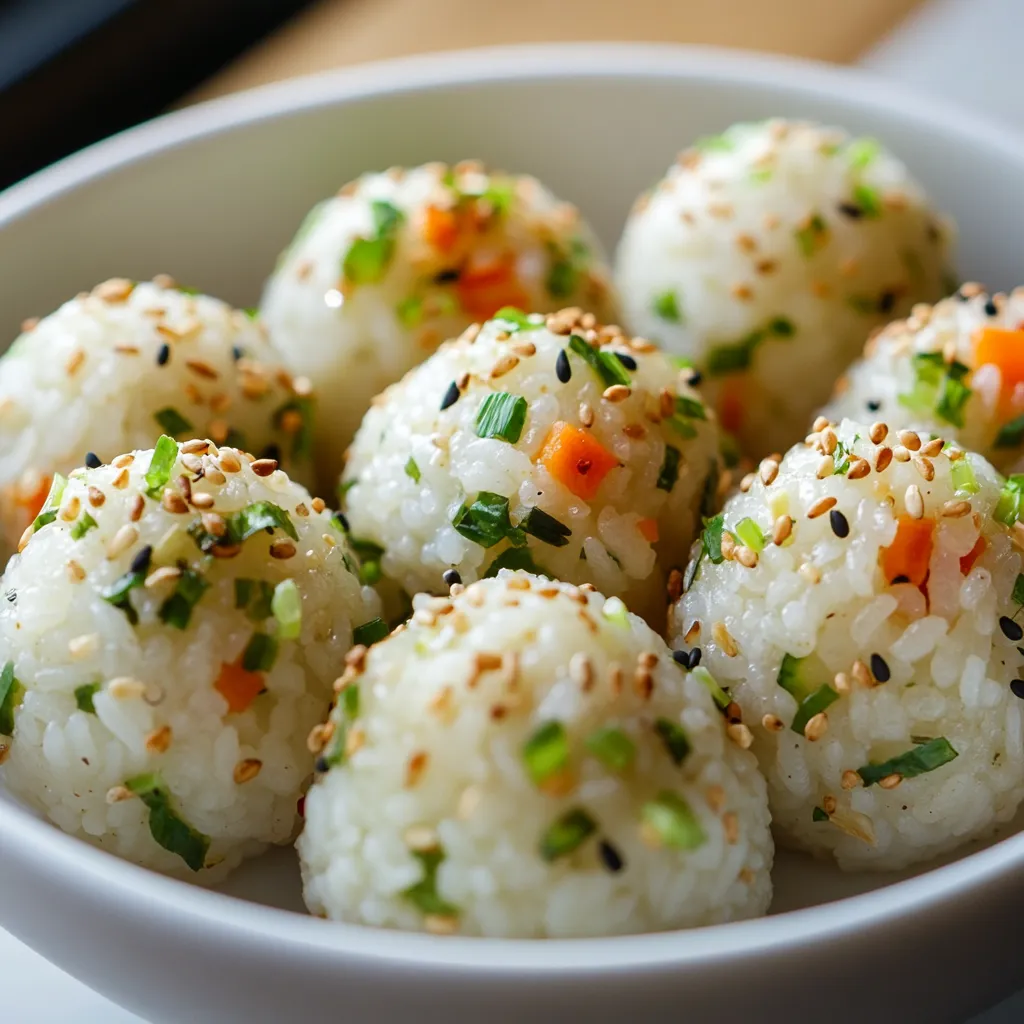
The demands of a busy school day can often leave parents searching for quick yet nutritious meal options. Korean rice balls, known as “jumeok-bap,” offer a flavorful solution packed with wholesome ingredients. These delightful bites can be prepped in just 15 minutes, making them perfect for back-to-school lunch ideas. Their versatility allows for customization based on personal preferences, ensuring that every bite is satisfying.
The appeal of Korean rice balls lies not only in their simplicity but also in their ability to bring together various flavors and textures. They are inherently adaptable, allowing you to choose from a variety of vegetables and proteins, making mealtime both exciting and nutritious for your children. Whether you prefer the freshness of cucumbers and carrots or the heartiness of chicken or tofu, these rice balls can be tailored to suit any palate.
Ideal for both lunchboxes and quick snacks, Korean rice balls are not just healthy; they are also visually appealing. Consider adding vibrant colors to your preparation for an eye-catching presentation. These rice balls can be enjoyed warm or chilled, making them an excellent option for on-the-go meals, whether your child is heading to school or participating in after-school activities.
Recipe Overview
– Flavor Profile: The rice balls are savory with a hint of nuttiness from the sesame oil, balanced by the umami depth of soy sauce, and can be spiced up with gochujang for those who prefer a kick. Fresh vegetables add crunch and freshness.
– Nutritional Benefits: Packed with cooked rice, healthy vegetables, and your choice of protein, these rice balls offer a balanced meal rich in carbohydrates, vitamins, and protein.
– Ideal Serving Suggestions: Serve the rice balls alongside extra sesame seeds or soy sauce for dipping, and consider adding fresh vegetable slices to enhance the presentation and nutritional value.
Ingredients
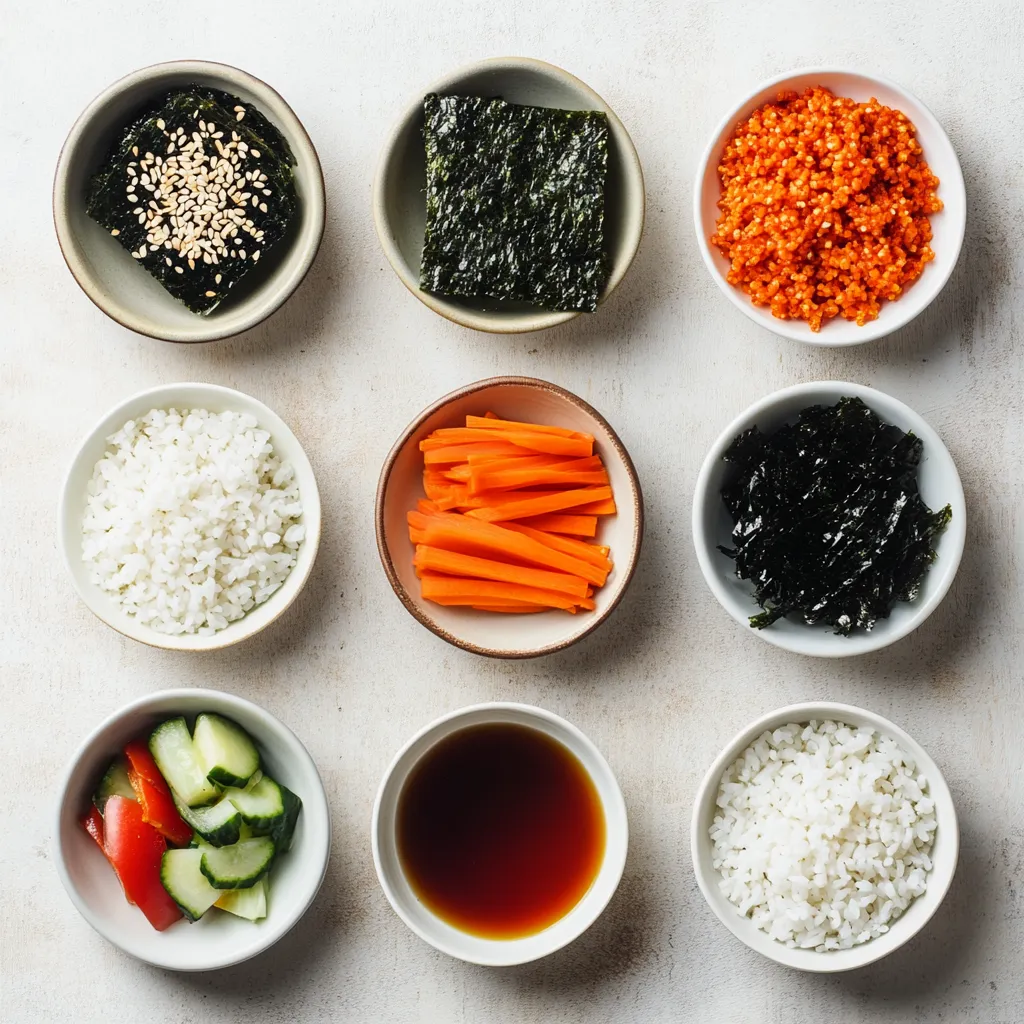
– 2 cups of cooked short-grain rice (preferably chilled, day-old rice works best)
– 1 tablespoon of sesame oil
– 1 tablespoon of soy sauce
– 1 teaspoon of salt
– 1/2 teaspoon of black pepper
– 1/2 cup of finely chopped vegetables (such as carrots, cucumber, or bell peppers)
– 1/2 cup of your choice of cooked protein (shredded chicken, canned tuna, or cubed tofu)
– 1 tablespoon of gochujang (optional, for a spicy kick)
– 1 tablespoon of toasted sesame seeds
– Nori sheets (seaweed), cut into strips (optional, for wrapping)
Instructions
1. In a spacious mixing bowl, combine the cooked rice with sesame oil, soy sauce, salt, and black pepper. Stir thoroughly until each grain of rice is well coated with the mixture.
2. Gently fold in the finely chopped vegetables and the cooked protein you selected. If you enjoy a touch of spice, incorporate the gochujang and mix until all ingredients are evenly blended.
3. To shape the rice balls, moisten your hands with a bit of water to prevent sticking. Take a handful of the rice mixture and mold it into a firm ball or a triangle shape. Continue this process until all the rice mixture has been shaped.
4. For an extra layer of flavor and a delightful crunch, sprinkle the formed rice balls with toasted sesame seeds.
5. If you wish, take the nori strips and wrap them around each rice ball for a fun and flavorful touch.
6. Pack the rice balls into a lunchbox for an easy meal on the go, or serve them immediately. These rice balls can be enjoyed warm or chilled.
Cooking Tips for Perfect Rice Balls
To ensure that your Korean rice balls are as delicious as they can be, there are essential techniques to keep in mind.
Selecting the right type of rice is crucial; short-grain rice is typically stickier compared to long-grain varieties, making it easier to mold into the desired shapes. This stickiness helps the rice balls hold together better, making for a satisfying texture.
Using day-old rice is highly recommended for this recipe. Chilling the rice overnight allows it to firm up and prevents it from becoming too mushy when mixed with the other ingredients. Freshly cooked rice may lack the necessary texture for shaping, leading to rice balls that fall apart easily.
When combining the ingredients, be gentle to avoid breaking the rice grains. This will preserve the desired texture and flavor of the rice balls. Mixing thoroughly ensures that each bite is well-seasoned and packed with flavor.
Step-by-Step Preparation Guide
The preparation of Korean rice balls is straightforward but benefits from careful attention to detail.
Combining the base ingredients is the first and most critical step. Begin by ensuring all the ingredients are at the right temperature and consistency. The cooked rice should be cold or at room temperature to facilitate easier handling. Mixing the sesame oil, soy sauce, salt, and black pepper into the rice creates a flavorful base. Stir thoroughly until the rice is uniformly coated; each grain should glisten with flavor.
Next, the incorporation of vegetables and proteins further diversifies the texture and nutrition of the rice balls. Choose finely chopped vegetables like carrots for sweetness, cucumbers for crunch, or bell peppers for a bit of zest. Add your choice of protein to boost the nutritional content—shredded chicken offers heartiness, while tofu provides a great plant-based option.
Shaping the rice balls is where you can begin to express creativity. Moisten your hands to prevent the mixture from sticking. Taking a handful of the rice mixture allows you to form them into firm balls or triangle shapes, depending on your preference. The more compact the shape, the better they will hold together during transport or serving.
Additional Flavor Boosts
While the basic recipe offers a delicious foundation, there are ample opportunities to enhance the overall taste and nutrition of your rice balls.
Utilizing different sauces can elevate the flavor profile significantly; consider incorporating other condiments like ponzu or teriyaki sauce to bring a different dimension to your rice balls. Each sauce introduces its unique tang and sweetness, allowing you to customize the flavor to suit your preferences.
Incorporating more spices is another excellent way to create complexity. Beyond the initial seasoning, adding garlic powder or a dash of chili flakes can impart warmth and depth.
Fresh herbs can also be a fantastic addition; finely chopped chives or cilantro can introduce brightness and freshness. These herbs not only enhance flavor but also contribute additional nutrients, providing you with even more reasons to relish your homemade Korean rice balls.
Creative ideas for serving rice balls to maximize enjoyment
Presenting Rice Balls: Visual Appeal
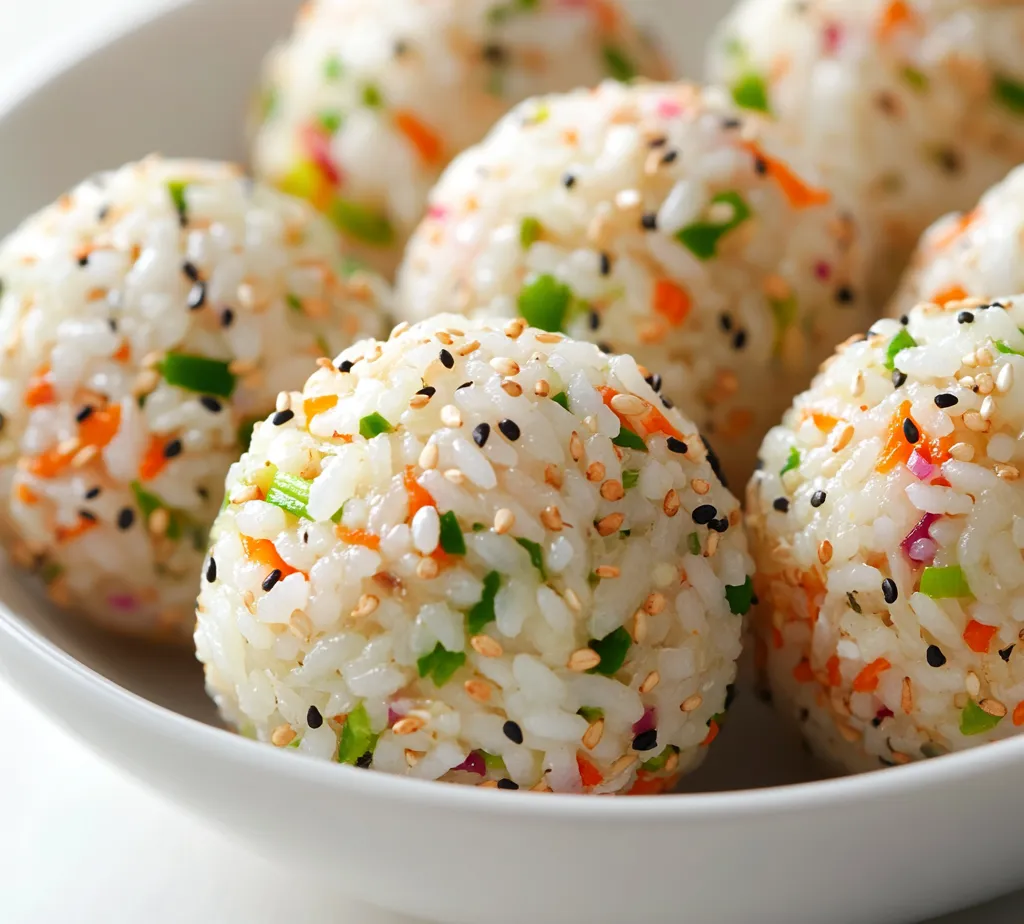
When it comes to serving Korean rice balls, presentation is key to enhancing the dining experience. Use colorful plates or wooden serving boards to create an eye-catching display. Consider arranging rice balls in a circular pattern with a small bowl of soy sauce or dipping sauce nestled in the center. Incorporating vibrant garnishes, such as fresh herbs like cilantro or chives, adds visual interest and makes the dish feel more gourmet. For an added touch of elegance, drizzle sesame oil lightly over the arranged rice balls to shine while enhancing the aroma.
Ideal Accompaniments
Pairing these rice balls with the right accompaniments elevates the meal. Fresh, crunchy vegetables like cucumber or radishes served on the side can provide a refreshing contrast to the rice balls’ texture. Fermented sides such as kimchi or pickled vegetables add an additional flavor dimension, complementing the rice balls beautifully. For a well-rounded meal, consider miso soup or a light salad infused with sesame dressing, which can further accentuate the overall experience.
Creative Ways to Use Leftovers
Should you have leftovers after your meal, there are numerous creative ways to repurpose the rice balls. Crumble them into a salad for added texture and flavor or serve them on top of a warm bowl of noodle soup for a hearty dish. Leftover rice balls can also be grilled or pan-seared, giving them a toasted exterior while revitalizing the flavors. Transform them into a rice ball-inspired fried rice by breaking them down and stir-frying with additional vegetables and seasonings, offering a whole new eating experience.
Customizing Your Rice Balls
Vegetarian and Vegan Options
These rice balls easily lend themselves to vegetarian and vegan adaptations. Substitute the protein with plant-based options like edamame, chickpeas, or other legumes for a hearty binding ingredient. Add in a variety of vegetables for added nutrition and color. You can also infuse the rice mixture with aromatic seasonings or herbs to enhance flavor without the need for animal-based ingredients. The absence of any animal products ensures that the rice balls remain inclusive for vegetarian and vegan diets.
Gluten-Free Alternatives
For those following a gluten-free diet, this recipe can easily accommodate such needs. Use gluten-free soy sauce or tamari instead of standard soy sauce to ensure the flavors remain authentic while adhering to gluten restrictions. Check that all added ingredients, such as gochujang and sesame oil, are certified gluten-free. This allows everyone to enjoy the delicious taste of these rice balls without compromising dietary requirements.
Kid-Friendly Versions: Adjusting Spice Levels
Creating rice balls that appeal to children requires attention to spice levels. For a kid-friendly version, omit the gochujang or any spicy components. Instead, focus on familiar flavors that kids enjoy, such as sweet corn, peas, or even a splash of ketchup mixed in for a touch of sweetness. Introducing fun shapes using cookie cutters can excite younger diners, making the rice balls more appealing to their tastes and imaginations.
Storage and Reheating Tips
Best Storage Practices
To maintain freshness, store rice balls in an airtight container in the refrigerator if not consumed immediately. It’s recommended to place parchment paper between layers of rice balls to prevent them from sticking together. This not only helps keep them intact but also allows for easier access when it’s time to enjoy them again. For longer storage, consider freezing the rice balls in a single layer on a baking sheet before transferring them to a freezer-safe container, which prevents them from clumping.
Reheating Methods for Optimal Taste
For the best results when reheating rice balls, there are a few effective methods. If using a microwave, place the rice balls on a microwave-safe plate and cover them with a damp paper towel to retain moisture while warming. Heat in short intervals until warmed through. Alternatively, for a crispier texture, the oven or an air fryer can be effective. Simply place the rice balls in a preheated oven at 350°F (175°C) for about 10-15 minutes, or until heated through and slightly crispy on the outside.
Shelf Life and Safety Tips
Cooked rice balls can generally be safely stored in the refrigerator for up to 3 days. It’s essential to keep them airtight to prevent moisture and odors from affecting their quality. If stored in the freezer, rice balls can last for about 1-2 months. Always label the containers with dates for easy tracking. When defrosting, allow them to thaw in the refrigerator overnight prior to reheating for optimal flavor retention.
Health Benefits of Ingredients
Benefits of Short-Grain Rice
Short-grain rice, often referred to as sticky rice, is a staple in many Asian cuisines. It is known for its high amylopectin content, creating a chewy texture and making it an excellent base for shaping. In addition, short-grain rice is a good source of carbohydrates, providing energy. Depending on the type (like brown short-grain rice), it can also offer fiber, essential vitamins, and minerals while contributing to a balanced diet.
Nutritional Value of Vegetables
Incorporating finely chopped vegetables into the rice balls adds not only flavor but also a wealth of nutritional benefits. Vegetables like carrots contribute beta-carotene for vision improvement, while bell peppers offer high levels of vitamin C, boosting the immune system. Including a variety of vegetables increases the fiber content, promoting digestive health, and making the rice balls more filling and nutritious.
The Role of Proteins in a Balanced Diet
The inclusion of protein sources, whether chicken, tuna, or tofu, in your rice balls enriches the meal with essential amino acids necessary for muscle repair and overall body function. Protein helps keep you satiated, which is beneficial for energy management throughout the day. Depending on the choice of protein, these rice balls can also provide additional nutrients like omega-3 fatty acids from canned tuna or high-quality plant protein from tofu.
Summary of Preparation Time and Servings
Prep and Cook Time Breakdown
These quick and easy Korean rice balls require just 15 minutes of preparation time, making them an ideal option for busy weeknights or as a simple snack. With the assembly being straightforward, they can also be a fun, interactive meal option for families or friends collaborating in the kitchen.
Serving Sizes and Modifications
The recipe yields approximately 4-6 servings, depending on the size of the rice balls formed. Altering the portion size is simple, as you can adjust the quantity of rice and other ingredients based on your needs. This flexibility ensures it can be tailored to serve larger or smaller groups without compromising flavor.
Perfect for Lunchboxes or Snacks
Not only do these rice balls taste delicious, but they also present beautifully for lunches or snacks. They can be packed into lunchboxes with minimal fuss, maintaining quality whether served cold or at room temperature, making them convenient for on-the-go meals.
Presentation Tips for Rice Balls
Colorful Plating Strategies
Creating a visually engaging platter can enhance the dining experience. Use a variety of colors by incorporating multi-colored vegetables, while presenting the rice balls in different shapes can provide an enticing visual feast.
Garnishing Techniques for Extra Flair
Sprinkling additional toppings such as radish slices or microgreens can bring freshness and a pop of color to the dish. Pairing the rice balls with vibrant dipping sauces, such as sweet chili or hoisin, can further enhance their presentation and provide flavor contrast.
Fun Serving Ideas with Dipping Sauces
Offering a variety of dipping sauces can make enjoying the rice balls even more interactive. Consider small bowls with combinations of soy sauce, spicy mayo, or a tangy vinegar-based sauce. This not only allows individual customization but also adds an element of fun to the meal.
Conclusion
These Korean rice balls present a delightful combination of flavors and textures, making them an ideal meal for busy days. Whether served warm or chilled, they maintain their freshness and charm, ensuring a satisfying experience in just 15 minutes of prep time. Perfect for lunches or snacks, they are sure to become a household favorite.
Quick and Easy Back to School Korean Rice Balls
Ingredients
- 2 cups cooked short-grain rice
- 1 tablespoon sesame oil
- 1 tablespoon soy sauce
- 1 teaspoon salt
- ½ teaspoon black pepper
- ½ cup finely chopped vegetables
- ½ cup cooked protein
- 1 tablespoon gochujang
- 1 tablespoon toasted sesame seeds
- Nori sheets
Instructions
- In a mixing bowl, combine the cooked rice with sesame oil, soy sauce, salt, and black pepper.
- Stir thoroughly until each grain of rice is well coated.
- Gently fold in the chopped vegetables and cooked protein.
- If desired, add gochujang and mix until blended.
- Moisten hands with water and mold the rice mixture into balls or triangles.
- Sprinkle formed rice balls with toasted sesame seeds.
- Wrap nori strips around each rice ball if desired.
- Pack into a lunchbox or serve immediately.
- Enjoy warm or chilled.