
Introduction
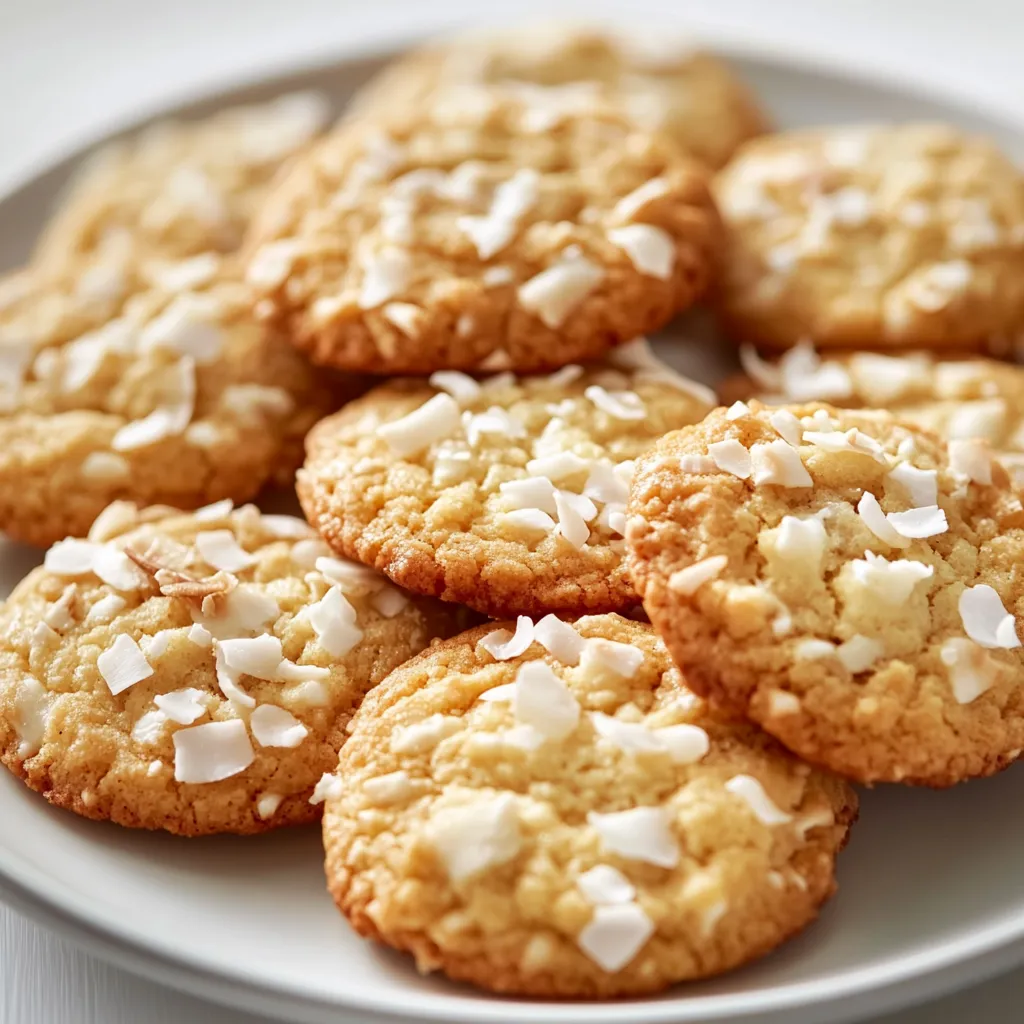
Coconut Christmas Cookies are a delightful addition to any holiday baking lineup. Combining the rich flavors of unsweetened shredded coconut with warm spices, these cookies embody the essence of festive cheer. They create a soft, chewy texture with a hint of sweetness, making them irresistible for cookie lovers of all ages. Whether you’re preparing for a cookie exchange, a festive gathering, or simply indulging in a weekend baking spree, these cookies offer both comfort and joy.
Despite their delicious exterior, these cookies are also incredibly easy to make, requiring minimal time and effort. The light and fluffy dough is packed with flavor, providing a unique twist on traditional cookies. On top of that, they boast an inviting aroma as they bake, filling your kitchen with the tantalizing scent of cinnamon and nutmeg. Once baked, they’re perfect for sharing with friends or for enjoying with a cozy cup of hot cocoa by the fireplace.
Description of Coconut Christmas Cookies
Each Coconut Christmas Cookie features a chewy texture complemented by the crunchy bits of coconut and optional nuts that enhance the cookie’s richness. While the predominant flavor comes from the coconut and spices, the addition of white chocolate chips offers a sweet, creamy contrast, taking these cookies to a whole new level. The overall flavor profile is festive yet comforting, making these cookies a great holiday treat that feels both special and homely.
Ideal Occasions for Baking
These Coconut Christmas Cookies shine brightest during the holiday season. They’re perfect for Christmas celebrations, holiday parties, or as a treat for family gatherings. Additionally, they can be packaged beautifully and gifted as homemade favors to friends and loved ones, bringing a warm touch of handmade goodness to your holiday celebrations. Bake a batch when you’re looking for a cheerful activity to share with family or enjoy a quiet afternoon of baking on your own, knowing these cookies will surely capture hearts.
Healthier Options and Substitutions
Not specified in the recipe.
Recipe Overview
– Total time: 30 minutes
– Prep time: 15 minutes
– Yield/Servings: 24 cookies
– Difficulty: Not specified in the recipe
Ingredients
– 2 cups all-purpose flour
– 1 cup unsweetened shredded coconut
– 1/2 cup unsweetened coconut milk
– 1/2 cup granulated sugar
– 1/2 cup packed brown sugar
– 1/2 cup unsalted butter, softened to room temperature
– 1 large egg
– 1 teaspoon vanilla extract
– 1 teaspoon baking powder
– 1/2 teaspoon baking soda
– 1/4 teaspoon salt
– 1/2 teaspoon ground cinnamon
– 1/4 teaspoon ground nutmeg
– 1 cup white chocolate chips (optional)
– 1/2 cup chopped walnuts or pecans (optional)
Essential Ingredients Breakdown
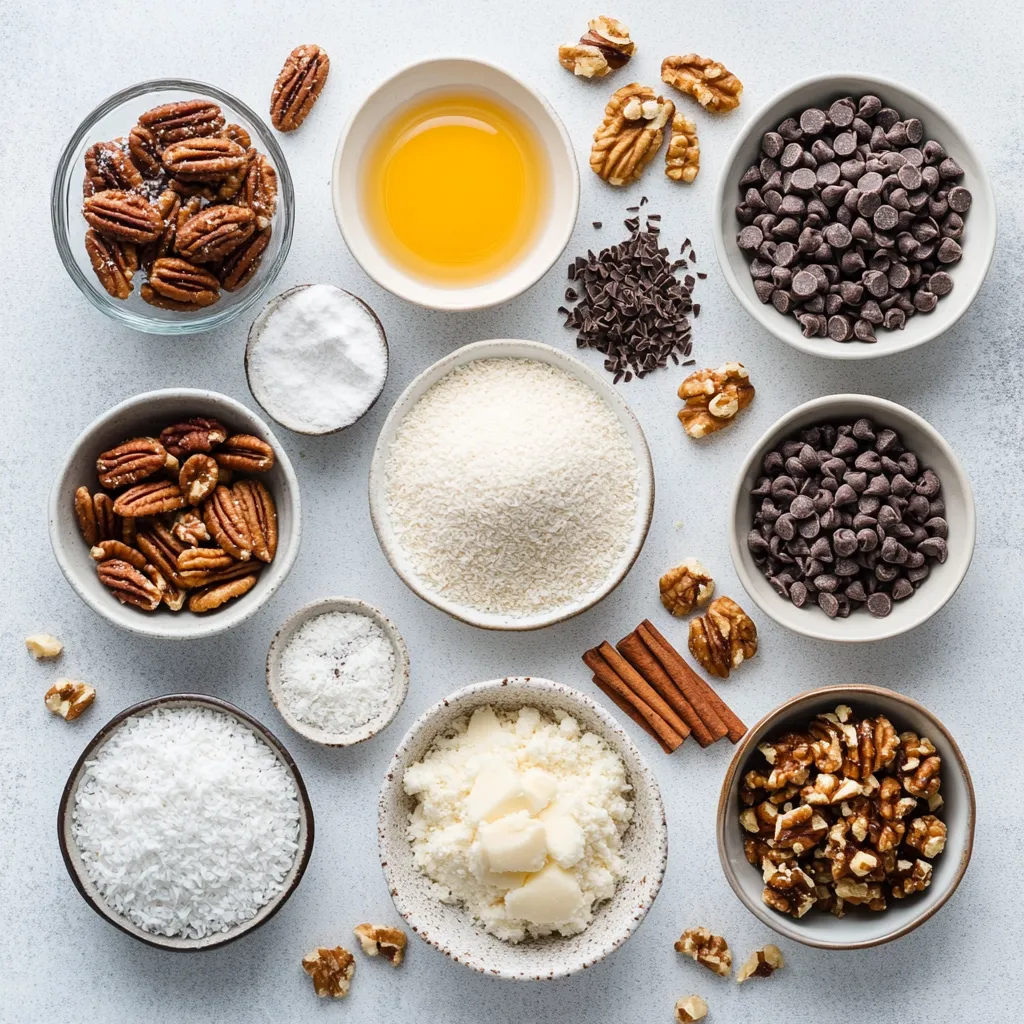
Each ingredient in the recipe plays a crucial role in achieving the perfect texture and flavor for the Coconut Christmas Cookies. The all-purpose flour provides the structure needed to hold the cookies together, while the unsweetened shredded coconut lends a chewy texture and distinct flavor. The combination of granulated and brown sugar provides sweetness while also influencing the cookie’s overall texture — brown sugar helps to create a softer chewiness.
The unsalted butter, when creamed, becomes airy and light, contributing to the cookies’ rich and tender crumb. Eggs not only bind the ingredients but also moisture, ensuring the cookies stay soft. Vanilla extract enhances the overall flavor, while the baking powder and baking soda are essential for leavening, contributing to the rise and texture of your cookies.
Optional Ingredients for Extra Flavor and Texture
For those looking to elevate their cookies, both white chocolate chips and chopped nuts are included as optional ingredients. The white chocolate chips add a creamy sweetness that contrasts beautifully with the coconut and spices. On the other hand, walnuts or pecans infuse the cookies with crunch and additional flavor, making every bite an adventure in taste and texture. These add-ins allow for personal customization to cater to varying flavor preferences.
Measurement Tips for Accurate Baking
Accurate measurement is critical in baking to achieve the desired results. For dry ingredients like flour and sugar, it’s essential to spoon the ingredient into the measuring cup and level it off with a knife rather than scooping directly from the container, which can result in packing down the ingredients, leading to excess amounts. Always use room-temperature butter for the best creaminess and proper incorporation with sugars, ensuring your cookies turn out as perfectly as intended.
Preparing the Baking Sheet
Choosing the Right Parchment Paper
When it comes to lining your baking sheet, using quality parchment paper is crucial. Opt for unbleached parchment paper that is non-stick. This helps ensure that the cookies bake evenly, and the bottoms don’t brown too quickly. It also allows for easy removal after baking without the risk of sticking, preserving the cookies’ delicate structure.
Benefits of Lining the Baking Sheet
Lining the baking sheet with parchment paper not only prevents sticking but also helps promote even baking. It provides a smooth, consistent surface that encourages even heat distribution during the baking process, leading to cookies that are perfectly baked throughout. Additionally, cleanup becomes a breeze, allowing you to enjoy your freshly baked cookies without the hassle of scrubbing the baking sheet afterward.
Ensuring Even Cookie Baking
To achieve evenly baked cookies, spacing is just as important as preparation. Dropping rounded portions of dough onto the lined sheet with enough room in between allows the cookies to spread properly as they bake. Ideal spacing is about 2 inches apart, ensuring that they do not merge into one during the baking process. This attention to detail will help you achieve that ideal cookie shape with delightful edges and center.
Creaming the Butter and Sugars
Importance of Room Temperature Butter
Using butter at room temperature is essential for creating a light and fluffy consistency in your cookie dough. Room-temperature butter incorporates air when creamed, which contributes to the leavening of your cookies. This not only gives your cookies a nice rise but also results in a tender texture that’s enjoyable to bite into.
Techniques for Creaming Butter and Sugars
When creaming the softened butter with both granulated and brown sugars, using either an electric mixer or a whisk is recommended. Begin on a low speed to combine the ingredients, then gradually increase to medium speed. Cream until the mixture is light, fluffy, and pale in color, which usually takes about 2 to 3 minutes. This method ensures that the sugars dissolve properly into the fat, resulting in a smoother cookie dough.
Signs of Properly Creamed Mixture
The right texture of the creamed mixture is key to successful cookies. You will know it’s done when the mixture appears light and fluffy, has increased in volume, and holds a pale color. Properly creamed butter and sugars will produce a dough that is airy and allows for the perfect cookie rise without becoming dense or crumbly.
Incorporating Eggs and Vanilla
How Eggs Affect Cookie Texture
Eggs add necessary moisture and act as binders for the cookie dough. They introduce proteins, helping to give structure to your cookies as they bake. Not only do they assist in achieving a tender crumb, but they also contribute to the overall richness and flavor of the cookies. The fat from the yolk adds tenderness, while the white helps in providing stability to the baked cookie.
The Role of Vanilla Extract in Flavor
Vanilla extract is often referred to as the backbone of cookie flavor. It enhances not only the sweetness but also brings out other flavors, enriching the overall taste profile of the cookies. A full, deep flavor is created when the vanilla is incorporated well with other ingredients, making each bite more satisfying.
Achieving Smooth Mixture Consistency
After adding the egg and vanilla extract to the creamed butter and sugar mixture, ensure to beat well until everything is fully incorporated. Look for a smooth consistency with no streaks of butter remaining, as this indicates that the mixture is well combined and ready for the next steps. This smooth mixture serves as the foundation for blending in the dry ingredients, ensuring a harmonious cookie dough.
Key Spices: Cinnamon and Nutmeg
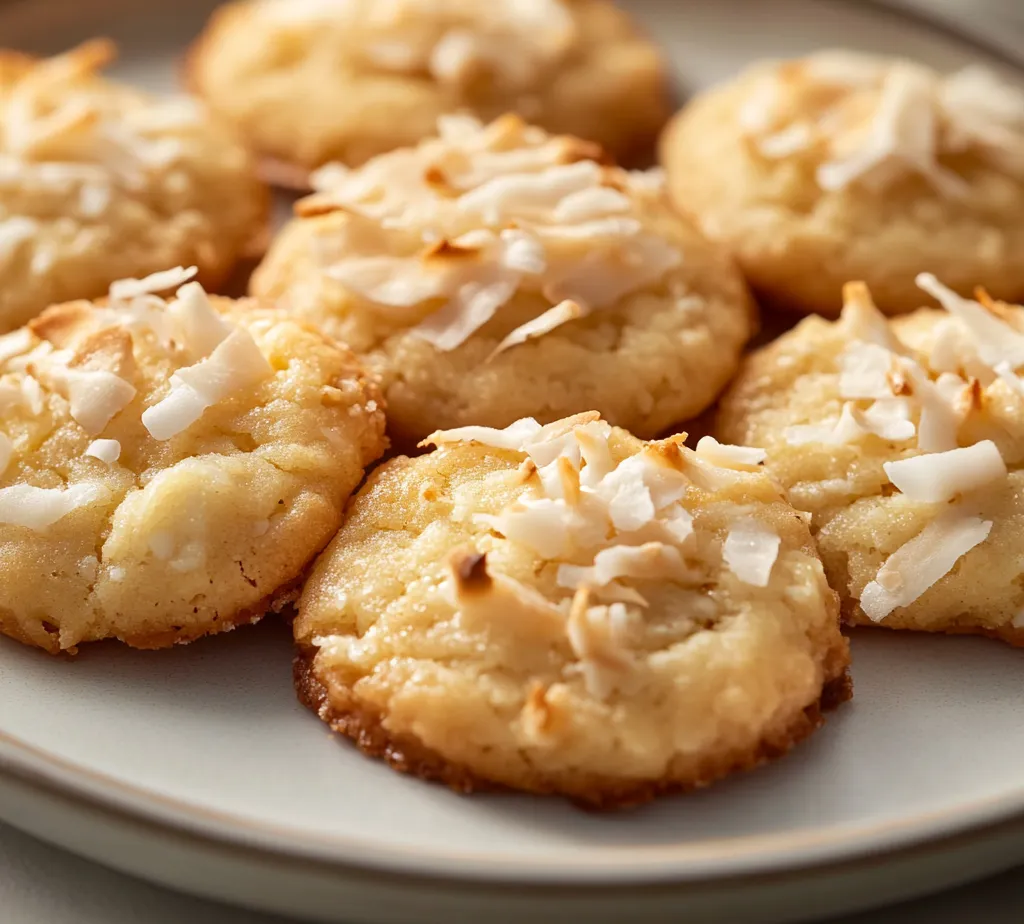
The inclusion of ground cinnamon and nutmeg in Coconut Christmas Cookies not only enhances their flavor profile but also contributes to the warm, comforting essence associated with holiday baking. Cinnamon adds a sweet and slightly spicy element, acting as a gentle backdrop that highlights the coconut’s natural sweetness. Nutmeg, with its additional warmth and depth, provides a hint of complexity that balances the overall taste. Together, these spices create a familiar and nostalgic flavor reminiscent of winter festivities and family gatherings.
How to Avoid Lumps in Flour Mixture
To ensure a smooth and even texture in your cookie dough, it’s essential to blend your dry ingredients properly, particularly the flour. Begin by whisking together the flour, baking powder, baking soda, salt, cinnamon, and nutmeg in a separate bowl. This not only helps in evenly distributing the baking agents but also helps to break up any lumps in the flour. Sifting the flour before measuring it can also reduce clumps, leading to a more uniform cookie mixture. If lumps persist, you can gently rub them out with your fingers or a spoon during mixing.
Combining Wet and Dry Ingredients
Technique for Gentle Mixing
When combining the wet and dry ingredients, adopting a gentle mixing technique is crucial. Overmixing can incorporate too much air and develop the gluten in the flour, leading to tough cookies rather than soft, chewy ones. To prevent this, fold the dry ingredients into the creamed mixture carefully using a spatula or wooden spoon. This method minimizes gluten formation and keeps the cookie dough tender. Ideally, stop mixing as soon as you see no more dry flour.
Understanding Overmixing and Its Effects
Overmixing cookie dough can have detrimental effects on the texture of your cookies. A well-mixed dough will yield cookies that are tender and chewy, while overmixed dough may result in cookies that are dense, dry, or cakey. To avoid this, always mix just until the ingredients are combined. Look for small streaks of flour remaining in the mixture as a signal to cease further mixing.
Adjusting Consistency with Coconut Milk
Coconut milk adds moisture and richness to your cookie dough, which is particularly important for achieving the desired texture. When adding the coconut milk, monitor the consistency. If the dough feels too dry or crumbly, a splash of additional coconut milk can help adjust it to a more pliable, cookie-friendly consistency. Aim for a dough that’s slightly sticky but holds together when formed.
Folding in Optional Ingredients
Benefits of Adding White Chocolate Chips
White chocolate chips are a popular addition to these cookies, providing bursts of creamy sweetness that contrast beautifully with the chewy texture of the shredded coconut. They melt slightly during baking, creating pockets of melted chocolate that enhance the cookie’s richness. This indulgent addition is particularly festive and can appeal to those who enjoy pronounced sweetness in their treats.
Nut Options: Walnuts vs. Pecans
Both walnuts and pecans can be excellent choices for adding crunch and flavor to your Coconut Christmas Cookies. Walnuts offer a slightly bitter and earthy flavor that complements the sweetness of the coconut and white chocolate, while pecans bring a milder, buttery taste. The choice between the two typically comes down to personal preference, but incorporating either nut adds a delightful texture that enhances the overall cookie experience.
Tips for Even Distribution in Dough
When incorporating optional ingredients like white chocolate chips and nuts, ensure even distribution throughout the dough for a balanced flavor in each bite. After folding them in, you may want to cover the dough and allow it to rest for a few minutes; this helps the flavors meld together. Gently mix again before scooping to double-check that your optional ingredients are well-distributed.
Shaping the Cookie Dough
Tools for Portioning Dough
Using a cookie scoop or a tablespoon can facilitate consistent portioning of your dough. This helps ensure that all cookies bake evenly since a uniform size leads to similar baking times. For those without a scoop, simply using two spoons can achieve similar results, ensuring that you aim for rounded portions.
Importance of Spacing Cookies
When placing dollops of cookie dough on the baking sheet, leave adequate space between each mound. Allow about 2 inches of space as cookies will spread during baking. This extra room prevents them from merging into one another, ensuring you achieve those perfect, individually formed cookies with defined edges.
Techniques for Uniform Shape
If uniformity is key for presentation, you can lightly roll each portion of dough into a ball before placing it on the baking sheet. This method helps to create an attractive, uniform appearance once baked. If you prefer a more rustic look, you can simply drop the portions without rolling—a more casual aesthetic can also contribute to a cozy, homemade vibe.
Baking the Cookies
Ideal Oven Temperature for Cookies
For perfect coconut cookies, preheating your oven to 350°F (175°C) is essential. This temperature offers the right balance of heat to cook the cookies through while allowing the edges to become lightly golden and crisp without burning. Remember that every oven can be slightly different, so it may be worth checking the internal temperature with a thermometer or keeping an eye on them as they bake.
Visual and Textural Cues for Doneness
To determine when your cookies are done, look for a light golden brown around the edges and a slight puff in the center. The center should appear set but soft to the touch—these will firm up while cooling. Removing them from the oven at this stage ensures that your cookies retain a chewy texture.
Practicing Patience: Cooling Time
After baking, patience is key. Allowing the cookies to rest on the baking sheet for about five minutes before transferring them to a wire rack prevents them from falling apart. The residual heat continues to cook the cookies slightly, helping them maintain their structure while also creating that signature chewy texture.
Presentation Tips
Creative Serving Ideas
For serving, consider stacking the cookies neatly in a festive tin or cookie jar for a traditional touch. Displaying the cookies on a decorative platter with seasonal fruits, figs, or even a small bowl of hot cocoa could enhance the overall presentation. Layering them with parchment paper can also create an inviting look while ensuring the cookies stay fresh.
Festive Decorations for Holiday Cookie Platter
Adding a sprinkle of powdered sugar over cooled cookies or drizzling melted white chocolate can elevate their visual appeal. Incorporating a few sprigs of mint or seasonal berries can add color and freshness, making them eye-catching at any holiday gathering.
Storing Cookies for Optimal Freshness
To keep your cookies fresh, store them in an airtight container at room temperature. If you have added nuts or chips, they will stay crisp longer when stored correctly. For extended freshness, consider freezing unbaked dough in portioned scoops, which allows you to bake fresh cookies as desired.
Conclusion
Coconut Christmas Cookies combine delightful flavors and textures with the light chewiness of shredded coconut and the rich sweetness of optional white chocolate. With a total baking time of 10-12 minutes, they offer a quick yet indulgent treat that captures the essence of the holiday season. The variety of presentation options makes them perfect for festive occasions, providing both visual and culinary enjoyment.
Coconut Christmas Cookies Recipe for Holiday Cheer
Ingredients
- 2 cups all-purpose flour
- 1 cup unsweetened shredded coconut
- ½ cup unsweetened coconut milk
- ½ cup granulated sugar
- ½ cup packed brown sugar
- ½ cup unsalted butter softened
- 1 large egg
- 1 teaspoon vanilla extract
- 1 teaspoon baking powder
- ½ teaspoon baking soda
- ¼ teaspoon salt
- ½ teaspoon ground cinnamon
- ¼ teaspoon ground nutmeg
- 1 cup white chocolate chips optional
- ½ cup chopped walnuts or pecans optional
Instructions
- Preheat your oven to 350°F (175°C) and line a baking sheet with parchment paper.
- In a large bowl, cream together the softened butter, granulated sugar, and brown sugar until light and fluffy.
- Add the egg and vanilla extract, beating until fully incorporated.
- In a separate bowl, whisk together the flour, shredded coconut, baking powder, baking soda, salt, cinnamon, and nutmeg.
- Gradually mix the dry ingredients into the wet ingredients, alternating with the coconut milk until just combined.
- Fold in the white chocolate chips and chopped nuts if using.
- Drop rounded portions of dough onto the prepared baking sheet, spaced about 2 inches apart.
- Bake for 10-12 minutes until the edges are golden brown and the centers are set but soft.
- Let the cookies cool on the baking sheet for 5 minutes before transferring to a wire rack.