

Introduction
As the leaves begin to turn and the air grows crisp, there’s nothing quite as comforting as a bowl of warm soup. This Cozy Fall Comfort Soup embodies the heart of autumn with its rich flavors and satisfying texture. Filled with seasonal ingredients like butternut squash, carrots, and a medley of spices, this soup not only nourishes the body but also uplifts the spirit. The warmth of the spices offers a gentle hug, reminding us of cozy nights spent indoors and the joy of sharing meals with loved ones.
Butternut squash is the star of this dish, bringing its naturally sweet flavor and vibrant color to the table. Alongside the earthiness of carrots and the aromatic qualities of onion and garlic, this soup becomes a delightful blend of taste and warmth. The incorporation of coconut milk can further enhance this dish’s richness, making it a perfect fit for cool autumn afternoons or chilly winter evenings. Using a slow cooker allows the flavors to meld beautifully while offering convenience, enabling minimal effort on your part.
Recipe Overview
– Total Time: 8 hours
– Prep Time: 15 minutes
– Yield/Servings: 6-8 servings
– Difficulty: Not specified in the recipe
This Cozy Fall Comfort Soup features a delightful balance of flavors, with the natural sweetness from the butternut squash complemented by the warm spices of cinnamon, nutmeg, and ginger. The texture is luxuriously creamy thanks to the addition of coconut milk or heavy cream, providing a depth of flavor well-suited for pairing with your favorite rustic bread or croutons. It’s not just a comforting meal but also a nutritious option, packed with vitamins and fiber from the vegetables, making it a wonderful choice for health-conscious individuals and families.
Ingredients
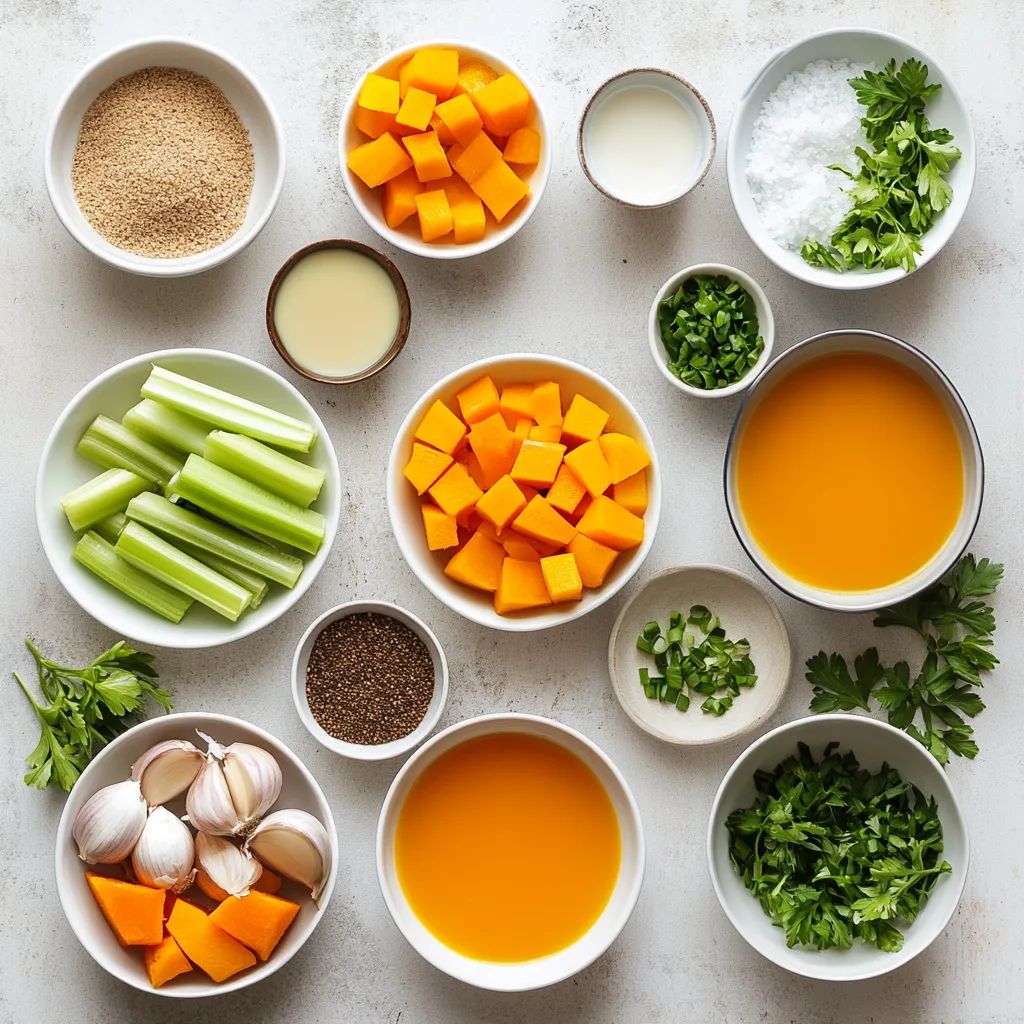
– 1 medium butternut squash (approximately 2-3 pounds), peeled and cut into 1-inch cubes
– 1 large onion, finely chopped
– 2 cloves of garlic, minced
– 2 medium carrots, peeled and diced
– 2 celery stalks, finely diced
– 4 cups vegetable broth
– 1 teaspoon ground cinnamon
– 1/2 teaspoon ground nutmeg
– 1/2 teaspoon ground ginger
– Salt and freshly ground black pepper, to taste
– 1 cup coconut milk (or heavy cream for a richer texture)
– 2 tablespoons olive oil
– Fresh parsley or chives, chopped, for garnish (optional)
This ingredient list highlights the essential components that create the comforting essence of the soup. Fresh produce, especially the butternut squash and vegetables, significantly influences the flavor. Although the recipe does allow for coconut milk or heavy cream, it’s essential to choose the option that aligns best with your dietary preferences or desired richness. For those who are time-sensitive, pre-chopped vegetables might be a convenient alternative, though fresh ingredients yield the best flavor and nutritional value.
Instructions
1. Prepare the Vegetables: Begin by peeling the butternut squash and cutting it into 1-inch cubes. Finely chop the onion, mince the garlic, and dice the carrots and celery into small pieces.
2. Sauté the Aromatics: In a skillet over medium heat, warm the olive oil. Add the chopped onion and sauté for about 3-4 minutes until it becomes translucent. Then, incorporate the minced garlic and continue to sauté for another minute until it releases its aromatic fragrance.
3. Combine in Slow Cooker: Transfer the sautéed onion and garlic mixture into the slow cooker. Add the cubed butternut squash, diced carrots, and celery, ensuring an even distribution of the vegetables.
4. Add Spices and Broth: Pour the vegetable broth into the slow cooker and sprinkle in the ground cinnamon, nutmeg, and ginger. Season with salt and freshly ground black pepper to taste. Gently stir the mixture to combine all the ingredients well.
5. Cook: Cover the slow cooker and set it to low for 6-8 hours, or on high for 3-4 hours, until the vegetables are tender and easily pierced with a fork.
6. Blend the Soup: Once cooked, use an immersion blender to puree the soup until it reaches a smooth consistency. If you don’t have an immersion blender, carefully transfer portions of the soup to a regular blender and blend until creamy, then return it to the slow cooker.
7. Add Creaminess: Stir in the coconut milk (or heavy cream) to enhance the soup’s richness. Taste and adjust the seasoning as necessary.
8. Serve: Ladle the warm soup into bowls and, if desired, garnish with freshly chopped parsley or chives for a pop of color and flavor. Serve alongside crusty bread or croutons for a delightful meal.
The outlined instructions provide a straightforward pathway to crafting this delicious soup, emphasizing both technique and timing. Each step is designed to maximize flavor and ensure an easily repeatable process whether you are an experienced cook or a novice.
Preparing the Vegetables
When it comes to preparing the vegetables, selecting the right butternut squash is crucial. Look for squashes that are firm and heavy for their size, with a smooth, blemish-free skin. The peeling can sometimes be challenging due to the tough exterior, so using a sharp vegetable peeler or a knife is advisable. After peeling, cut the squash into 1-inch cubes, ensuring that the pieces are uniform in size for even cooking.
Chopping the onion, garlic, carrots, and celery takes practice, but there are tips to make it easier. For onions, cutting off the ends first and making horizontal cuts followed by vertical ones allows for easy dicing. The garlic can be minced finely, and the carrots and celery should be diced into small, uniform pieces to ensure they cook thoroughly and harmoniously with the other ingredients. This preparation ensures that the soup cooks evenly and the flavors meld beautifully.
Sautéing the Aromatics
Sautéing the onions and garlic is not just an optional step; it plays a significant role in developing the soup’s flavor profile. The process of sautéing releases natural sugars and brings out the aromatic compounds in the vegetables. Using medium heat prevents the onions from burning, which can introduce unwanted bitterness. You’ll know the onions are cooked perfectly when they turn translucent and soft, usually taking about 3-4 minutes.
Adding the minced garlic should occur only after the onions have softened, as garlic can burn quickly, leading to a more pronounced and less desirable flavor. Sautéing the garlic for an additional minute will bring out its delightful fragrance, enhancing the overall aroma of the soup.
Combining Ingredients in the Slow Cooker
Combining the sautéed ingredients in the slow cooker allows for an excellent melding of flavors as they simmer together over time. Proper layering of the ingredients is essential; placing the sautéed aromatics at the bottom and then adding the raw vegetables on top can help maintain the right texture. Distributing the vegetables evenly ensures a uniform cooking process, preventing some from overcooking while others remain underdone.
Also, be cautious about the sticking; adding the vegetable broth last helps prevent the ingredients from adhering to the bottom of the slow cooker, which can lead to scorching. Mixing everything together gently after all ingredients are added allows for thorough seasoning and ingredient integration.

Benefits of spices like cinnamon, nutmeg, and ginger in contributing to the soup’s warmth
The warmth of the Cozy Fall Comfort Soup is deeply rooted in the spices used throughout its preparation. Cinnamon not only adds a sweet, aromatic touch but also offers health benefits, including anti-inflammatory properties and blood sugar regulation. Nutmeg contributes an earthy, nutty flavor that enhances the overall profile of the soup while also being known to promote digestion. Ground ginger, with its spicy zest, provides the perfect balance by adding a hint of heat which contrasts beautifully with the sweetness of the butternut squash, creating a harmonious flavor blend. Together, these spices invigorate the senses and capture the essence of fall, making each spoonful a delight.
How to correctly season and taste as you go
Seasoning is crucial in developing the soup’s flavors. As you prepare your ingredients and begin cooking, it’s important to taste the soup at various stages. After blending, add salt and pepper gradually, mixing well between additions, until the flavors come together to your satisfaction. Keep in mind that the seasoning should enhance, not overpower, the primary flavors of the squash and spices. A pinch of salt can brighten and elevate the overall taste, while fresh black pepper adds depth. Always remember that your palate might be different, so trusting your taste buds is key.
Suggested adjustments for those who might prefer a spicier kick
For those who enjoy a bit more heat, consider adjusting the soup’s spice level by incorporating a pinch of cayenne pepper or red pepper flakes during the cooking stage. Both options will easily blend with the other spices and add a subtle warmth without overwhelming the existing flavors. Alternatively, fresh ginger can be used in greater amounts to enhance both warmth and spice. Be cautious, though; it’s easier to add more heat than to take it away, so start small and adjust to your preference.
Slow Cooking the Soup
Breakdown of cooking times for different settings on the slow cooker
Using a slow cooker to prepare this soup is straightforward and rewarding. Setting your slow cooker to low for six to eight hours allows the vegetables to slowly soften, leading to a deeper, more complex flavor development. If time is limited, using the high setting for three to four hours is acceptable; however, you may not achieve the same rich flavors. Regardless of the setting chosen, ensure that all the vegetables are submerged in the broth for even cooking.
Signs to look for indicating that the vegetables are ready to blend
When the soup has reached the desired cooking time, the indication of readiness is quite simple. The vegetables should be tender enough to be pierced easily by a fork. Specifically, the butternut squash should be mashable, and the carrots, onions, and celery should have lost their crispness. Once these conditions are met, it’s time to blend the soup to achieve that velvety texture.
How slow cooking maximizes flavor development
The slow cooking method works wonders for flavor development due to the extended cooking time and retention of moisture. This allows the natural sugars in the vegetables to caramelize gently, enhancing their sweetness while preventing any bitterness that may come from high-heat cooking methods. Additionally, the spices have more time to infuse their flavor into the liquid, ensuring each bowl is aromatic and satisfying.
Blending the Soup
Techniques for using an immersion blender safely and effectively
An immersion blender, or hand blender, is a fantastic tool for this soup, allowing you to blend it directly in the slow cooker. To use it safely, ensure that the blender’s blade is submerged before turning it on to prevent splatter. Move the blender steadily throughout the soup, pausing intermittently to monitor the consistency. For those with a slower cooker that’s deep and wide, tilting the pot slightly can help ensure a thorough blend without missing any chunks.
Instructions for transferring to a regular blender for a smooth consistency
If using a traditional countertop blender, ladle the soup in batches, filling the blender no more than halfway to avoid overflow. Place the cap loosely on the lid to allow steam to escape. After blending until smooth, return the mixture to the slow cooker. This method may take a little longer, but it’s effective in achieving that desired creamy texture.
How to adjust the texture after blending based on personal preference
After blending, assess the texture of your soup. If a chunkier consistency is preferred, simply blend for a shorter duration or pulse the blender a few times until the desired texture is reached. Conversely, if a smoother consistency is achieved but you desire a thinner soup, consider adding a bit more vegetable broth or water until the soup reaches your desired thickness.
Enhancing Creaminess
Discussion on the flavor differences between coconut milk and heavy cream
Coconut milk brings a distinct flavor profile to the soup, with its subtle sweetness and tropical notes enhancing the warmth of the spices. On the other hand, heavy cream contributes a rich, buttery essence that rounds out the flavor beautifully without altering the spice balance. Both options offer a different mouthfeel, with coconut milk resulting in a lighter, slightly nutty taste, while heavy cream provides a decadent richness. The choice largely depends on personal preference and dietary considerations.
Importance of incorporating creaminess to balance flavors
Incorporating a creamy element is not just about texture; it also balances the bold and spicy flavors present in the soup. The creaminess from either coconut milk or heavy cream helps to mellow out the spices, resulting in a more harmonious blend experience. It rounds out the flavors and ensures that the natural sweetness of the vegetables shines through without overwhelming the palate.
Suggestions on how to adjust the creaminess according to diet preferences
For those who prefer a lighter soup, consider using a reduced-fat coconut milk or a smaller quantity of heavy cream. Alternatively, blending in a portion of cooked white beans can add creaminess without extra fats, or nutritional yeast can lend a richer flavor with added health benefits. Always remember to adjust the seasoning after any modifications to maintain balance.
Serving the Soup
Best practices for ladling and presenting the soup
When serving the soup, use a ladle to pour it into shallow bowls, filling them to about three-quarters full. This gives room for any garnishes while creating a hearty, inviting appearance. Ensuring the soup is freshly warm when served will enhance the flavor and overall experience.
Garnishing options with fresh herbs for a vibrant finish
To elevate the presentation and flavor, consider garnishing the soup with freshly chopped parsley or chives just before serving. Their bright green color adds vibrancy against the warm orange backdrop of the soup, providing a pop of freshness. A sprinkle of toasted pumpkin seeds or a drizzle of olive oil can also add a lovely visual element and additional flavors.
Suggestions for accompaniments such as crusty bread or croutons
The Cozy Fall Comfort Soup pairs wonderfully with rustic bread, such as a crusty baguette or sourdough, allowing you to soak up every last drop. Alternatively, serve with homemade croutons for added texture. A side salad drizzled with a light vinaigrette can provide contrast and enhance the overall meal experience.
Optional Presentation Tips
Ideas for making the dish visually appealing, including plating techniques
For a visually appealing presentation, consider serving the soup in different-shaped bowls or using contrasting colors to make the soup stand out. A swirl of coconut milk or heavy cream on top can create an artistic touch, while a sprinkle of edible flowers can provide a seasonal feel.
How to use cinnamon and coconut milk as decorative elements
Use cinnamon to dust the top of the soup just before serving for an aromatic garnish and visual effect. A gentle drizzle of coconut milk can also be used to create beautiful swirls, making the dish more enticing.
Suggestions for setting the table to enhance the cozy dining experience
A cozy autumn dining experience can be further enhanced by setting the table with earth-toned linens and warm candlelight. Adding rustic elements, such as small pumpkins or fall leaves, provides a seasonal touch that complements the comforting nature of the soup.
Conclusion
The Cozy Fall Comfort Soup emanates a harmonious blend of warming spices and creamy textures, ideal for fall evenings. With its rich consistency and smooth flavor, it stands as a satisfying and hearty option for a comforting meal. Utilizing the slow cooker ensures ease and depth of flavor to make this dish a delightful addition to any culinary repertoire.

Cozy Fall Comfort Soup Recipe for a Warm and Creamy Delight
Ingredients
- 1 medium butternut squash peeled and cut into 1-inch cubes
- 1 large onion finely chopped
- 2 cloves garlic minced
- 2 medium carrots peeled and diced
- 2 stalks celery finely diced
- 4 cups vegetable broth
- 1 teaspoon ground cinnamon
- ½ teaspoon ground nutmeg
- ½ teaspoon ground ginger
- to taste salt and freshly ground black pepper
- 1 cup coconut milk or heavy cream
- 2 tablespoons olive oil
- to taste fresh parsley or chives chopped for garnish
Instructions
- Peel and cube the butternut squash, chop the onion, mince the garlic, and dice the carrots and celery.
- In a skillet, warm the olive oil over medium heat and sauté the onion until translucent, about 3-4 minutes.
- Add the minced garlic and sauté for another minute until fragrant.
- Transfer the onion and garlic to the slow cooker and add the butternut squash, carrots, and celery.
- Pour in the vegetable broth and add the cinnamon, nutmeg, and ginger. Season with salt and pepper.
- Stir to combine all ingredients well.
- Cover and cook on low for 6-8 hours or on high for 3-4 hours until vegetables are tender.
- Use an immersion blender to puree the soup until smooth, or blend in batches in a regular blender.
- Stir in the coconut milk or heavy cream and adjust seasoning as needed.
- Serve warm, garnished with parsley or chives, alongside crusty bread.