
Introduction
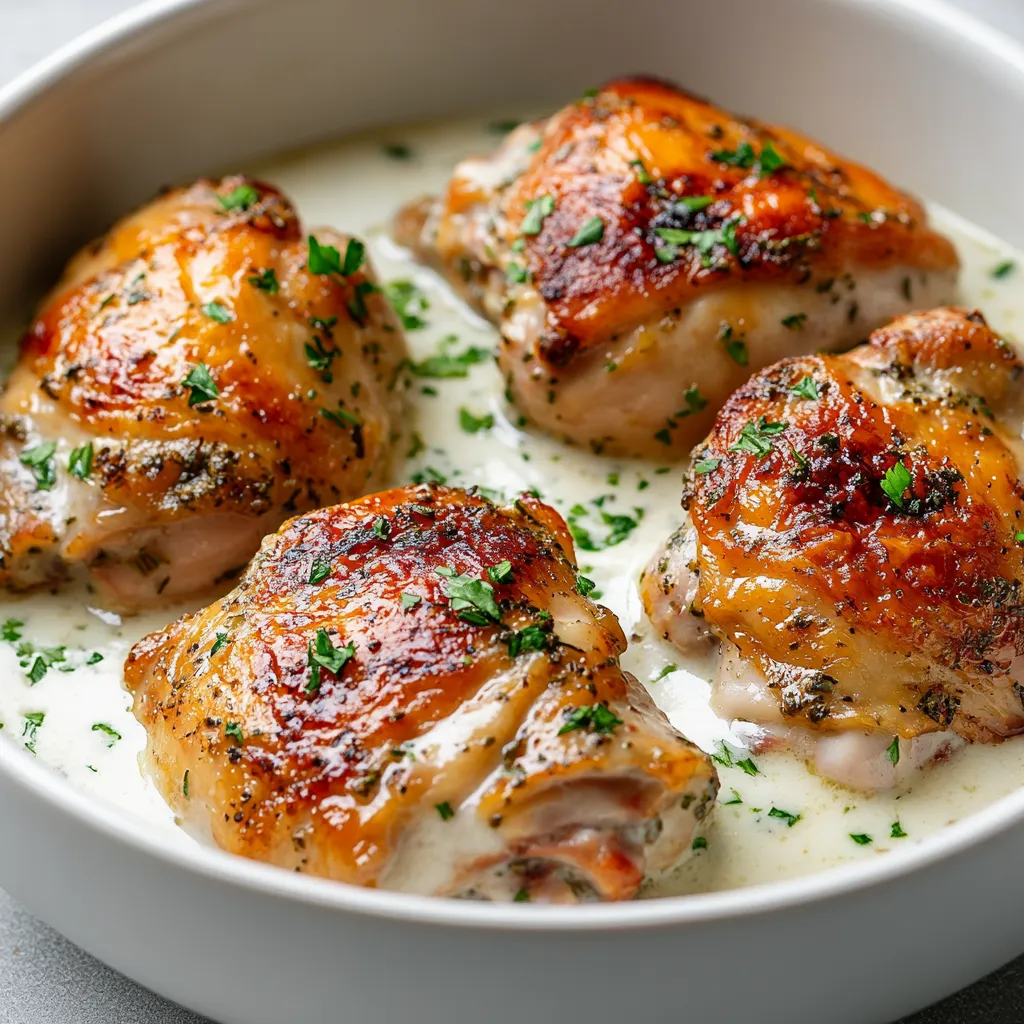
Herb-infused roasted chicken is a classic dish that combines succulent flavors with a creamy sauce, creating a comforting and indulgent meal. This specific recipe showcases juicy chicken thighs enhanced with fragrant herbs and a rich white sauce, making it ideal for family dinners or special occasions. When you serve this dish, expect a delightful meld of textures and flavors that will satisfy even the most discerning palate.
The juicy, tender chicken pairs exquisitely with the creamy white sauce, bringing warmth and richness to the table. The combination of dried thyme, rosemary, and garlic creates aromatic notes that elevate the dish, making it perfect for gatherings, cozy weeknight dinners, or when you want to impress friends with minimal effort. As we explore this dish, you will discover how to transform simple ingredients into a satisfying and memorable feast.
Recipe Overview
– Total Time: 50 minutes
– Yield/Servings: 4 servings
– Difficulty: Not specified in the recipe
This dish features bone-in, skin-on chicken thighs, which are ideal for roasting, providing moisture and flavor. The herb seasoning coupled with a creamy sauce adds depth to each bite. The entire recipe takes approximately 50 minutes from start to finish and serves four. The balance of herbs, cream, and Dijon mustard creates a wonderful harmony of taste that appeals to both casual eaters and gourmet enthusiasts alike.
Ingredients
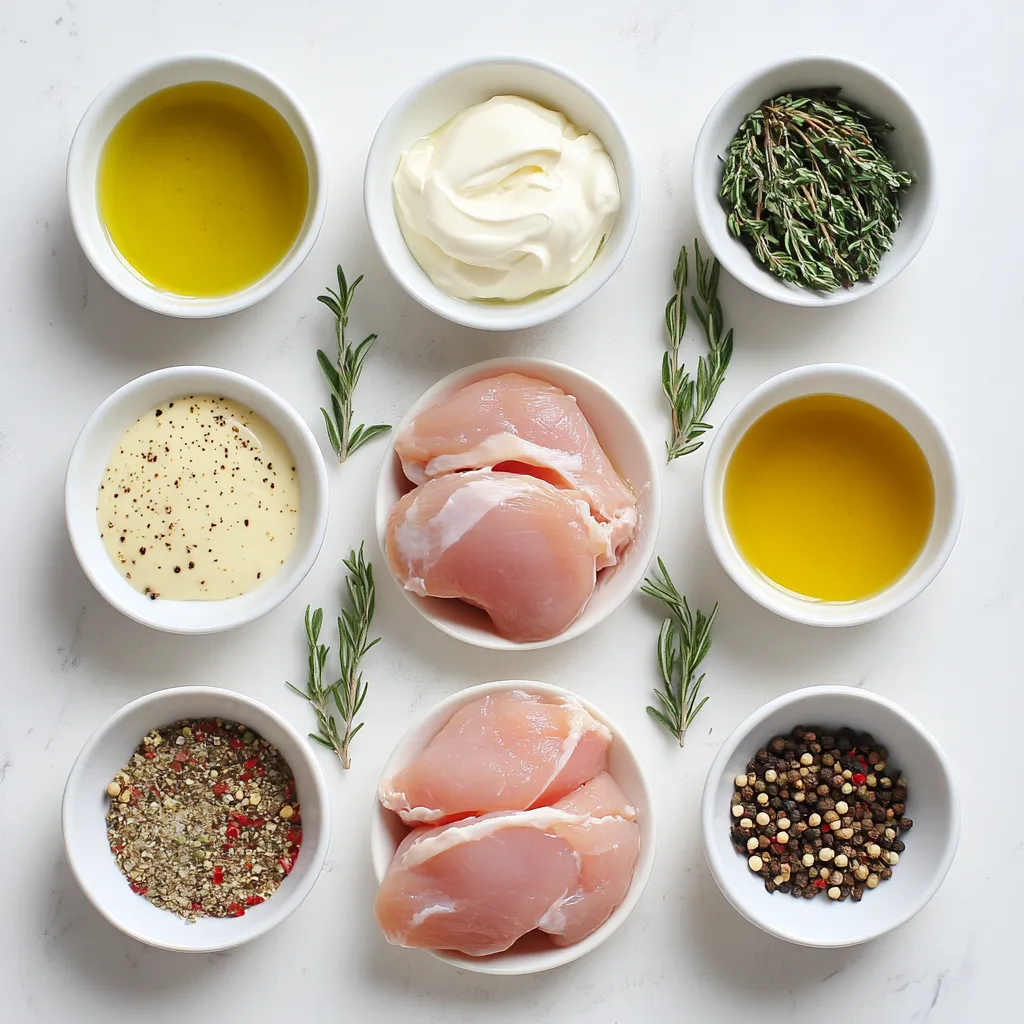
– 4 bone-in, skin-on chicken thighs
– 2 tablespoons extra virgin olive oil
– 1 teaspoon dried thyme
– 1 teaspoon dried rosemary
– 1 teaspoon garlic powder
– Salt and freshly ground black pepper, to taste
– 1 cup low-sodium chicken broth
– 1 cup heavy whipping cream
– 2 tablespoons Dijon mustard
– 1 tablespoon freshly squeezed lemon juice
– 1 tablespoon freshly chopped parsley (for garnish)
Instructions
1. Preheat the Oven: Begin by preheating your oven to 400°F (200°C) to ensure it’s hot and ready for roasting.
2. Prepare the Chicken: Use paper towels to pat the chicken thighs dry, which will help achieve a crispy skin. In a small mixing bowl, combine the olive oil, dried thyme, dried rosemary, garlic powder, salt, and pepper. Generously rub this herb mixture all over the chicken thighs, ensuring they are evenly coated.
3. Sear the Chicken: In a large, oven-safe skillet, heat a drizzle of olive oil over medium-high heat. Carefully place the chicken thighs skin-side down in the skillet and sear for about 5-7 minutes, or until the skin turns a beautiful golden brown. Flip the chicken and sear the other side for an additional 3-4 minutes to develop flavor.
4. Prepare the Creamy Sauce: Once seared, remove the chicken from the skillet and set aside. In the same skillet, pour in the chicken broth, using a wooden spoon to scrape the bottom and deglaze the pan. Next, stir in the heavy whipping cream, Dijon mustard, and lemon juice. Bring the mixture to a gentle simmer and allow it to cook for 2-3 minutes, until it thickens slightly.
5. Combine and Roast: Return the chicken thighs to the skillet, placing them skin-side up. Spoon some of the creamy sauce over the chicken. Carefully transfer the skillet to the preheated oven and roast for 25-30 minutes, or until the chicken is fully cooked, reaching an internal temperature of 165°F (75°C).
6. Serve: Once the chicken is cooked, remove it from the oven and let it rest for a few minutes. Garnish with freshly chopped parsley for a pop of color and serve the chicken with the luscious creamy white sauce drizzled generously over the top.
Prepping the Chicken
Choosing the Right Chicken
Selecting quality bone-in, skin-on chicken thighs is crucial for this recipe, as the skin helps keep the meat moist during roasting. Opt for thighs that have a good amount of fat under the skin, which will render nicely, contributing to flavor and juiciness. When shopping, look for thighs that appear plump with an appealing, consistent coloring. Freshness is key, so check for any off odors or discolorations to ensure the best cooking experience.
Drying the Chicken
Using paper towels to pat the chicken thighs dry enhances the crispiness of the skin when roasted. Removing excess moisture allows the heat of the oven to create a beautiful, golden-brown crust while preventing the skin from steaming during the cooking process. It’s an essential step that should not be skipped, as it directly influences the texture of the finished dish. Patting the chicken dry prepares it to absorb the herb mixture better, enhancing overall flavor.
Seasoning the Chicken
Combining olive oil with dried thyme, rosemary, garlic powder, salt, and pepper ensures a flavorful coating. Take time to rub this mixture thoroughly over the chicken for maximum taste. The oil helps the seasoning adhere to the thighs while also promoting a nice caramelization during cooking. Ensure that every crevice of the chicken skin is generously coated, which will enhance the presence of herbs in the final dish. This step infuses the chicken with aromatic flavors, which meld beautifully during roasting.
Searing the Chicken
Heating the Skillet
Preheat the skillet with a drizzle of olive oil to achieve that desired crispy skin. The temperature should be appropriately high for searing. This cooks the skin effectively, locking in moisture and flavor. Ensuring the skillet is hot enough before adding the chicken allows for an immediate caramelization effect, which is critical for flavor development.
Searing Technique
Begin with the skin-side down, cooking until golden brown. This process not only adds flavor but also texture to the chicken. The direct heat causes the fat under the skin to render while crisping up the exterior, making it irresistible. It’s important to resist the urge to flip the chicken too soon; patience during this stage will reward you with a beautifully browned surface.
Flipping the Chicken
Sear the other side for a lesser time to allow it to brown without overcooking. This step contributes to the layered flavors of the final dish. By quickly browning one side, you can focus on achieving a perfect sear while maintaining a juicy interior. The overall aim is to create a delicious balance of crispy skin and tender meat, which will shine through in the final presentation.
Preparing the Creamy Sauce
Deglazing the Pan
After removing the chicken, pour in the chicken broth to deglaze the skillet. This step is essential for capturing all the savory bits left behind. Those browned bits, known as fond, are packed with flavor and will elevate your sauce, making it rich and satisfying. Use a wooden spoon to scrape the bottom of the pan, incorporating those flavors into the sauce that will soon coat the chicken.
Incorporating the Cream
Stir in heavy whipping cream and bring the mixture to a simmer. The cream thickens slightly, which is vital for creating a luscious sauce. As you allow the sauce to simmer, keep an eye on the texture; it should become thick enough to cling to the chicken but not so thick that it resembles a paste. The simmering process also melds the flavors of the broth with the mustard and lemon juice, resulting in a tantalizing blend that adds depth to the dish.
Adding Flavors
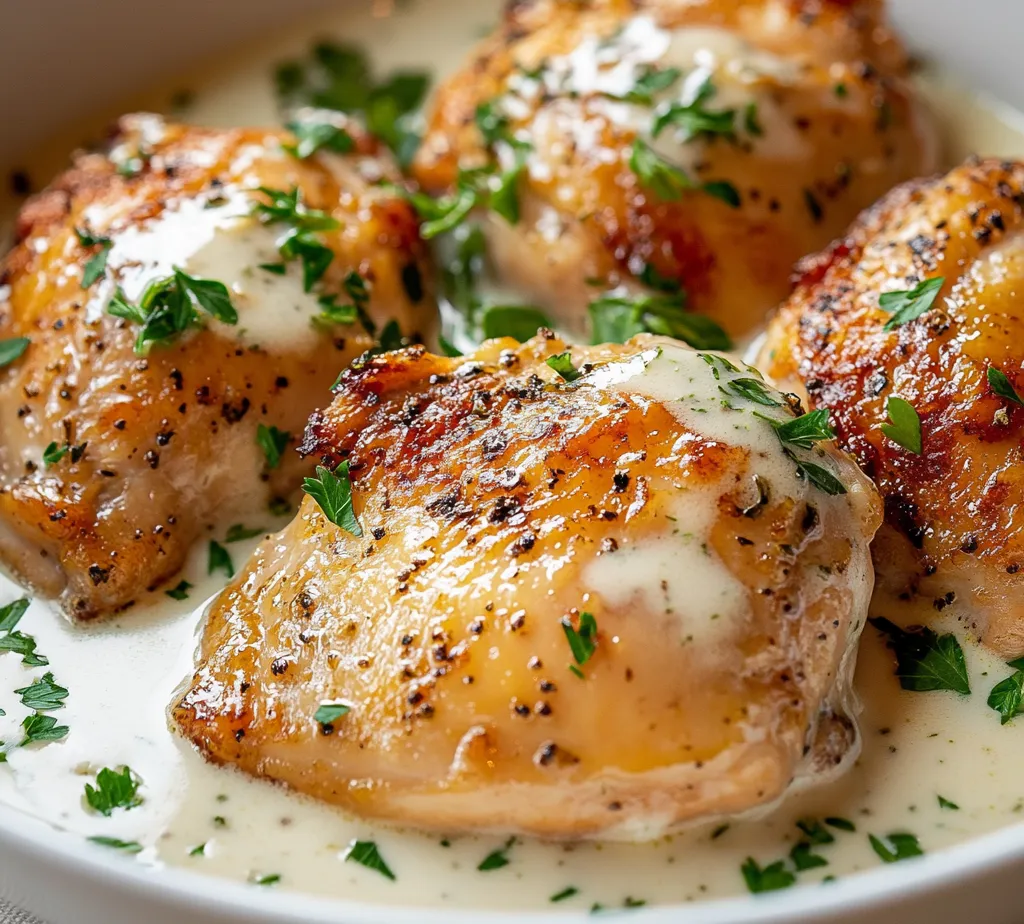
Integrating Dijon mustard and lemon juice into the creamy sauce is not merely an enhancement; it’s a transformation. The Dijon mustard contributes a delightful tanginess that cuts through the richness of heavy cream, ensuring the sauce remains flavorful and balanced rather than overwhelmingly creamy. This tang adds an interesting depth and a subtle kick that elevates the overall taste profile of the dish.
Lemon juice, freshly squeezed, brightens the entire sauce. Citrus notes are famous for contrasting savory flavors, making each bite more invigorating. The combination of these two ingredients imbues the sauce with complexity, so it complements the savory notes of the roasted chicken beautifully.
Combining and Roasting
Returning the Chicken
Nestling the seared chicken thighs back into the creamy sauce is crucial during the roasting phase. This allows the chicken to absorb the flavors of the sauce as it cooks. Ensure that each thigh is generously coated, positioning them skin-side up to allow the skin to crisp as it roasts. The integration of the chicken with the sauce not only enhances the flavor but also ensures that the chicken remains moist throughout the cooking process.
Oven Temperature
Maintaining an accurate oven temperature plays a pivotal role in the success of this dish. Preheating the oven to 400°F (200°C) prepares it for optimal roasting. This temperature strikes the ideal balance, allowing the chicken to develop a crispy, golden-brown skin while cooking thoroughly on the inside. An oven thermometer can help ensure accuracy, protecting against undercooked chicken or a soggy skin texture.
Roasting Time
The recommended roasting time of 25-30 minutes is crucial for achieving perfectly cooked chicken. To verify doneness, using a meat thermometer is recommended. Insert the thermometer into the thickest part of the thigh without touching the bone; the internal temperature should reach 165°F (75°C). This precision guarantees that the chicken remains juicy and properly cooked, eliminating the risk of drying out.
Serving the Chicken
Letting it Rest
Once the chicken has finished roasting, allowing it to rest for a few minutes is an essential step. Resting permits the juices within the chicken to redistribute throughout the meat, preventing them from spilling out when the chicken is cut. This simple technique results in a more flavorful and moist chicken, enhancing the overall dining experience.
Garnish Suggestions
For presentation and flavor enhancement, sprinkle freshly chopped parsley on top of the chicken just before serving. The green garnish adds a vibrant contrast to the golden-brown chicken, lending it a fresh appearance that’s appealing to the eye. Additionally, the touch of herbaceous flavor complements the dish, bringing additional brightness to every bite.
Plate Presentation
Consider serving the dish on a rustic wooden board or a simple white platter to highlight the dish’s homey yet classy vibe. Drizzling some of the creamy sauce around the chicken enhances its visual appeal and invites diners to dive right in. Adding extra parsley not only boosts aesthetics but also signals freshness and care in presentation.
Pairing Suggestions
Vegetable Side Dishes
Pairing this herb-infused roasted chicken with seasonal vegetables makes the meal well-rounded and nutritious. Roasted vegetables such as Brussels sprouts, carrots, or a medley including sweet potatoes add a variety of textures and flavors, creating a colorful plate. Additionally, the natural sweetness of roasted carrots will complement the savory notes of the chicken, while Brussels sprouts provide a slight bitterness that balances the richness of the sauce.
Salads
To offset the richness of the chicken and creamy sauce, serve a light green salad as a side dish. A simple mix of greens with a zesty vinaigrette can provide a refreshing contrast. The acidity and lightness of a vinaigrette help cut through the creamy sauce, refreshing the palate between bites.
Starches
Accompanying the chicken with starches like fluffy rice or creamy mashed potatoes makes for a filling meal and provides a means to soak up the delicious sauce. Any starch complements the rich flavors of the dish by absorbing the intricate blend of cream and seasonings, enhancing the enjoyment.
Storage and Leftover Ideas
Proper Storage
If you find yourself with leftovers after enjoying this flavorful dish, allowing the chicken to cool before storing is critical. Place the chicken and sauce in an airtight container, where it can be refrigerated for up to three days. This method preserves quality while preventing foodborne illness.
Reheating Tips
When it comes to reheating the chicken, avoid using the microwave, as it can result in a rubbery texture. Instead, reheat gently in the oven at a low temperature to maintain the skin’s crispness. If the sauce appears too thick, adding a splash of chicken broth or a tiny bit of water can help retain moisture, ensuring the dish remains sumptuous upon reheating.
Creative Leftover Uses
Leftover chicken can be turned into other delightful dishes. Shred the chicken into bite-sized pieces and mix it with the creamy sauce to create a comforting casserole. Alternatively, incorporating shredded chicken into hearty salads or sandwiches allows for a new culinary experience while minimizing waste.
Nutritional Insights
Overview of Ingredients
This herb-infused roasted chicken is not only delicious but also brings numerous health benefits. Chicken thighs are an excellent source of high-quality protein, supporting muscle growth and repair. The herbs infuse the dish with antioxidant properties, while olive oil provides heart-healthy fats. The heavy cream, despite being rich, contributes calcium and fat-soluble vitamins.
Portion Control
While this dish is rich, it’s essential to control portion sizes to maintain dietary balance. A standard serving size of chicken is typically about one thigh per person, which allows you to enjoy the rich flavors without overindulging. Balancing your meal with vegetables and starches contributes to a well-rounded, nutritious dinner without detracting from the enjoyment of this flavorful recipe.
Flavor vs. Health
The interplay between flavor and health in this dish is noteworthy. While the creamy sauce is indulgent, the herbs offer health benefits that can make it easier to enjoy without feeling guilty. Striking a balance between the two makes this dish accessible for indulgence within a healthy eating plan when consumed mindfully.
In summary, the Herb-Infused Roasted Chicken with Creamy White Sauce delivers a delightful blend of savory and tangy flavors, coupled with a creamy texture that truly satisfies. With meticulous attention to technique and serving suggestions, this meal can be a showstopper on any dinner table. The combination of flavors, timing, and presentation leads to a remarkably enjoyable dish that can be tailored for leftovers, ensuring its versatility long after the main meal is finished.
Herb-Infused Roasted Chicken with Creamy White Sauce
Ingredients
- 4 pieces bone-in skin-on chicken thighs
- 2 tablespoons extra virgin olive oil
- 1 teaspoon dried thyme
- 1 teaspoon dried rosemary
- 1 teaspoon garlic powder
- to taste salt
- to taste freshly ground black pepper
- 1 cup low-sodium chicken broth
- 1 cup heavy whipping cream
- 2 tablespoons Dijon mustard
- 1 tablespoon freshly squeezed lemon juice
- 1 tablespoon freshly chopped parsley for garnish
Instructions
- Preheat your oven to 400°F (200°C).
- Pat the chicken thighs dry and rub with olive oil, thyme, rosemary, garlic powder, salt, and pepper.
- Heat olive oil in a large skillet over medium-high heat and sear the chicken thighs skin-side down for 5-7 minutes.
- Flip the chicken and sear the other side for 3-4 minutes.
- Remove chicken and deglaze the skillet with chicken broth, scraping the bottom.
- Stir in heavy whipping cream, Dijon mustard, and lemon juice; simmer for 2-3 minutes until thickened.
- Return chicken to the skillet skin-side up and spoon sauce over it.
- Transfer the skillet to the oven and roast for 25-30 minutes until cooked through.
- Let the chicken rest for a few minutes before serving.
- Garnish with parsley and serve with the creamy sauce.