
Introduction
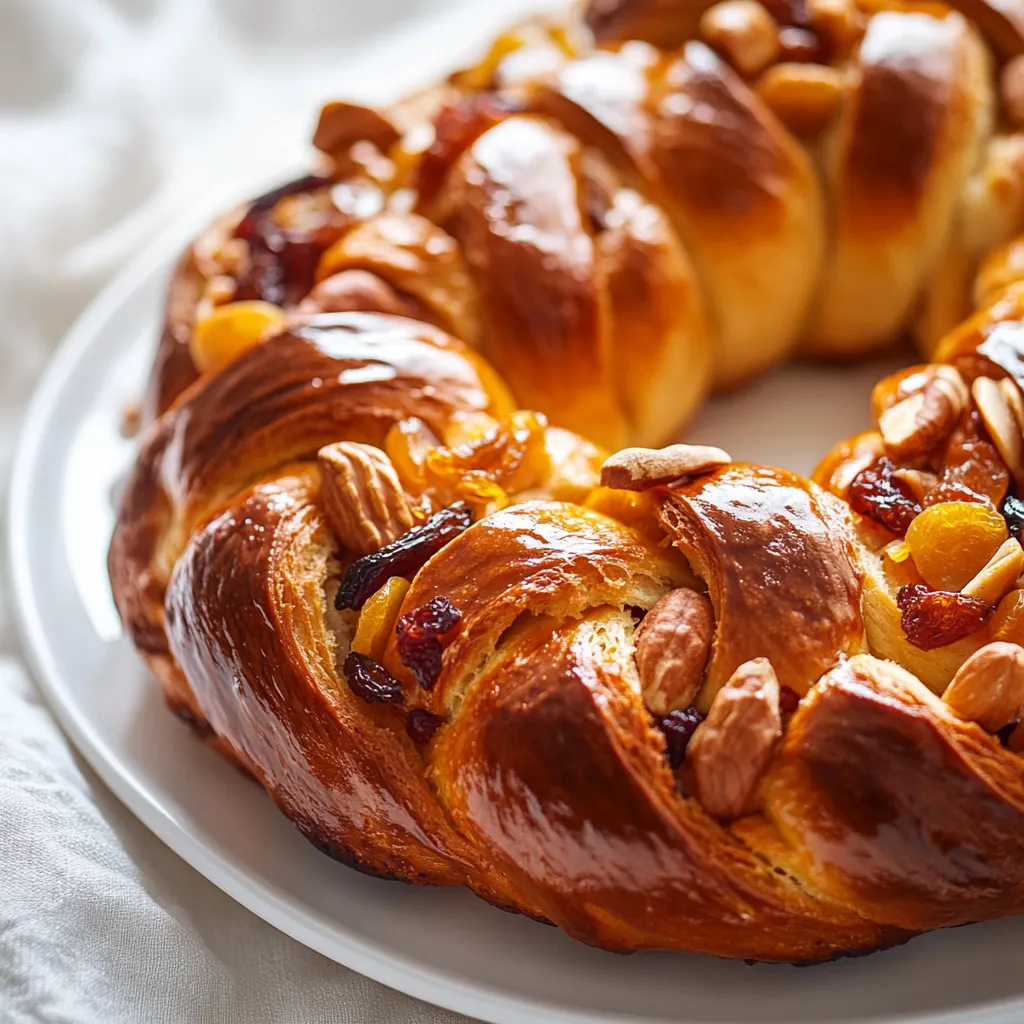
Holiday Delight Bread is more than just a recipe; it embodies the spirit of togetherness and celebration during the festive season. This sweet bread is perfect for those cozy winter gatherings, bringing warmth and cheer to your holiday table. The process of making this homemade bread fills your kitchen with an inviting aroma, a precursor to the delightful taste that awaits.
Whether served as a centerpiece at a holiday brunch or enjoyed warm with butter and cream cheese, this bread is sure to please a crowd. Its soft, fluffy texture combined with colorful hints of dried fruits and the crunch of nuts makes each slice a festive treat. You’ll find it not only tastes fantastic but also adds an elegant touch to your holiday gatherings.
Recipe Overview
– Total Time: 3 hours
– Prep Time: 20 minutes
– Cooking Time: 30-35 minutes
– Yield: 12 slices
– Difficulty: Not specified in the recipe
Ingredients
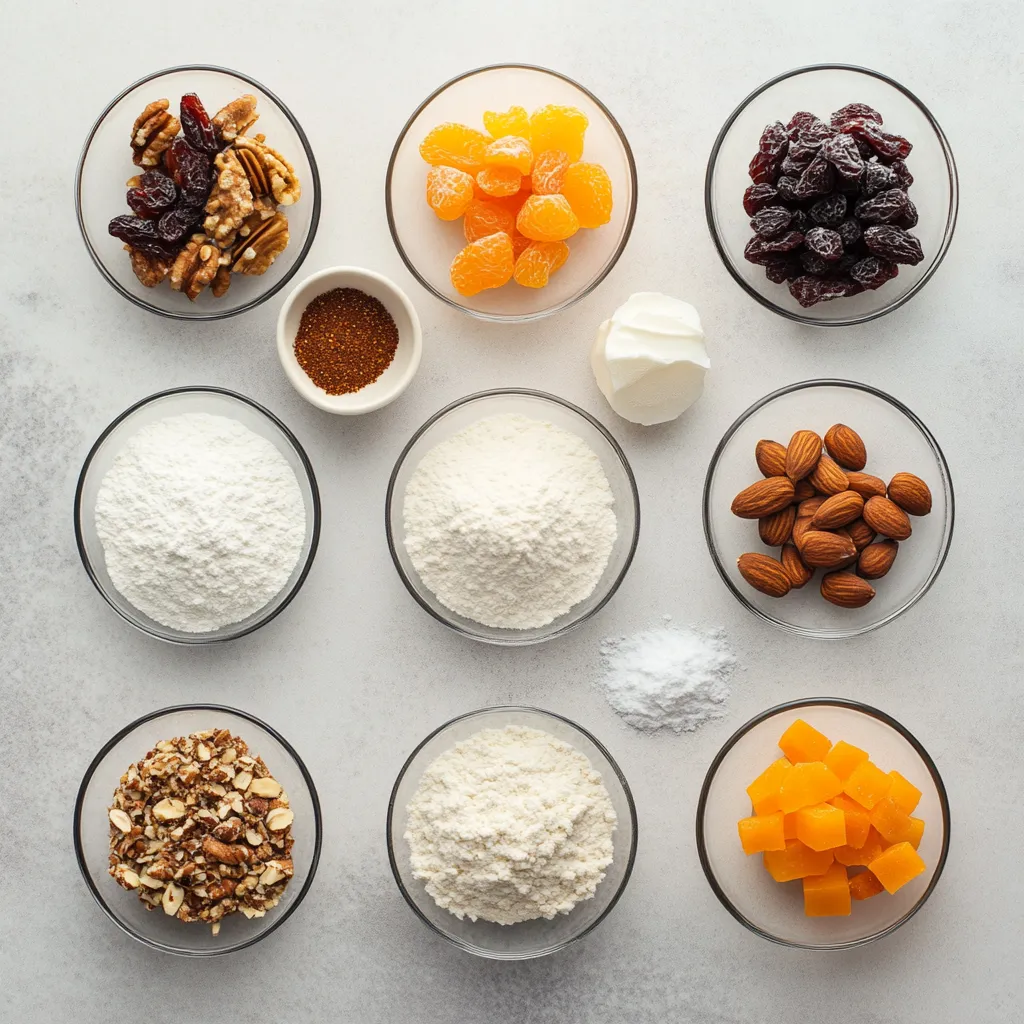
– 4 cups all-purpose flour
– 1 cup warm milk (about 110°F)
– 1/2 cup granulated sugar
– 1/2 cup unsalted butter, softened to room temperature
– 2 large eggs
– 1 packet (2 1/4 tsp) active dry yeast
– 1 tsp pure vanilla extract
– 1/2 tsp almond extract
– 1 tsp sea salt
– 1/2 cup mixed dried fruits (such as cranberries, apricots, and raisins)
– 1/2 cup chopped nuts (walnuts or pecans work well)
– 1/4 cup candied orange peel (optional for extra zest)
– 1 egg (for egg wash)
– 1 tbsp milk (for egg wash)
– Optional: powdered sugar for a festive dusting
Instructions
1. In a small bowl, mix the warm milk and sugar together until dissolved. Sprinkle the active dry yeast over the milk mixture and let it sit for 5-10 minutes, or until it becomes frothy, indicating that the yeast is activated.
2. In a large mixing bowl, whisk together the all-purpose flour and sea salt. Create a well in the center of the flour mixture and pour in the yeast mixture, softened butter, eggs, vanilla extract, and almond extract.
3. Stir the ingredients together until a dough begins to form. Transfer the dough to a floured surface and knead for approximately 10 minutes, until the dough is smooth and elastic.
4. Gently fold in the mixed dried fruits, chopped nuts, and optional candied orange peel, kneading just enough to evenly distribute these ingredients throughout the dough.
5. Place the dough in a greased bowl and cover it with a clean kitchen towel. Allow it to rise in a warm environment for about 1-2 hours, or until the dough has doubled in size.
6. Preheat your oven to 350°F (175°C).
7. Once the dough has risen, punch it down to release excess air. Shape it into a loaf or braid, then place it on a parchment-lined baking sheet.
8. In a small bowl, whisk together the egg and 1 tbsp of milk to create an egg wash. Brush this mixture over the top of the shaped bread to achieve a beautiful golden crust.
9. Let the bread rise again for about 30 minutes while the oven is preheating.
10. Bake in the preheated oven for 30-35 minutes, or until the bread is golden brown and produces a hollow sound when tapped on the bottom.
11. Remove the bread from the oven and allow it to cool on a wire rack. If desired, lightly dust with powdered sugar before serving for an extra festive touch.
Brief Description of Holiday Delight Bread
Holiday Delight Bread is a yeast-leavened sweet bread infused with flavors characteristic of the winter season. Its simple ingredients meld together to create a rich and satisfying loaf that can be enjoyed on its own or paired with spreads. The use of traditional baking techniques ensures that the bread achieves a fluffy interior with a beautifully golden brown crust. This bread is often favored during the holidays, thanks to its fragrant notes and festive additions.
Traditional Significance and Seasonal Appeal
Baking bread during the holidays is a time-honored tradition in many cultures, often symbolizing prosperity, togetherness, and the warmth of home. Holiday Delight Bread holds a special place in these traditions, often being shared among family and friends during celebrations. Its festive appearance, combined with the colorful mix of dried fruits and nuts, captures the essence of the season, making it a beloved choice on many holiday tables.
Anticipated Flavors and Textures
As you take a bite of Holiday Delight Bread, you can expect a delightful blend of flavors. The sweetness from the granulated sugar harmonizes beautifully with the rich, creamy taste of butter and the subtle nutty notes of almond extract. The mixed dried fruits add a pop of sweetness and a pleasant texture contrast, while the chopped nuts bring in a crunchy element. The exterior is perfectly baked to a golden color, offering a satisfying crust, while the interior remains soft and airy, making it a truly indulgent holiday treat.
Essential Baking Ingredients
Holiday Delight Bread relies on a simple yet effective list of ingredients that are foundational to bread-making. All-purpose flour serves as the base, providing structure and texture. Active dry yeast is responsible for the rise, while warm milk adds moisture, richness, and assists in activating the yeast. Sugar not only sweetens but also promotes yeast activity, contributing to the overall flavor profile.
Dried Fruits and Nuts
The inclusion of mixed dried fruits, which might include cranberries, apricots, or raisins, lends a vibrant colorful touch as well as varied textures. The sweetness of these fruits complements the bread’s overall taste, making each slice a surprise. The choice of nuts, such as walnuts or pecans, contributes a delightful crunch, enhancing the mouthfeel of the bread. If you opt for the candied orange peel, it brings an additional layer of flavor, providing a citrusy zest that brightens the rich sweetness.
Flavor Enhancers and Extras
In this delightful holiday bread, flavor enhancers such as pure vanilla and almond extracts offer a fragrant aroma that is simply irresistible. These ingredients elevate the taste profile, providing a warm backdrop that enhances the sweetness of the dried fruits. While the candied orange peel is optional, its inclusion can create an aromatic experience reminiscent of festive baking, evoking a sense of nostalgia and cheer.
Egg Wash and Optional Garnishes
The egg wash plays a crucial role in achieving that coveted golden crust on the bread. The mixture of egg and milk brushed on the surface before baking not only adds gloss to the top but also enhances the color, making the loaf visually appealing. For an extra festive presentation, a light dusting of powdered sugar adds a touch of sweetness and elevates the visual appeal, perfect for serving guests during holiday gatherings.
Preparing the Dough
Activating the Yeast
The first step in crafting Holiday Delight Bread involves activating the yeast. This crucial process begins by combining warm milk and sugar. The warm milk, ideally around 110°F, creates an optimal environment for the yeast to thrive. Once the yeast is sprinkled onto this mixture, wait for 5-10 minutes until it becomes frothy, indicating that it’s ready to work its magic in the dough. Proper activation is key to ensuring the bread rises beautifully.
Mixing and Kneading the Dough
After activating the yeast, the next step is to bring together the remaining ingredients to form a cohesive dough. In a large mixing bowl, whisking the all-purpose flour with sea salt helps to evenly distribute the flavors. Creating a well in the flour mixture allows for easy incorporation of the yeast mixture and other wet ingredients. The mixing process transitions the ingredients from separate components into a unified dough, which is then transferred to a floured surface for kneading.
Incorporating Fruits and Nuts
Once the dough has been kneaded until smooth and elastic, it’s time to incorporate the delightful additions: mixed dried fruits and nuts. This step is performed gently to ensure the fruits and nuts are evenly distributed without over-kneading the dough. This careful incorporation infuses the bread with flavor and texture, ensuring that each slice boasts a delightful mix of sweet, chewy fruits and crunchy nuts.
Dough Rising Process
Importance of Proper Proofing
The rising or proofing stage is essential in bread-making, wherein the dough expands and develops flavor. During this process, the yeast ferments, producing carbon dioxide gas that makes the dough rise. Proper proofing contributes significantly to the texture and taste of the bread, resulting in a light and airy loaf that is a joy to eat.
Optimal Temperature and Environment
For the dough to rise effectively, it is best placed in a warm, draft-free environment. A potential method is to cover the dough with a clean kitchen towel and place it in a slightly warm area, such as near a preheating oven. Keeping the temperature stable encourages yeast activity, leading to a larger rise in a shorter amount of time, usually around 1-2 hours.
Timing for Maximum Rise
The timing for allowing the dough to rise should not be rushed. Although 1-2 hours is recommended, the dough should be checked for doubling in size rather than strictly adhering to the clock. This ensures the yeast has done its job well, resulting in fluffy bread. Patience is key during this stage to achieve the best outcome for your Holiday Delight Bread.
Shaping the Bread
Techniques for Shaping into a Loaf or Braid
After the first rise, it is time to shape the dough. Punching down the risen dough releases trapped air, which is vital for a consistent texture. At this point, bakers can choose to shape their bread into a classic loaf or a braided form, depending on their preference or desired presentation. Creating a braid adds an attractive visual element, perfect for holiday festivities.
Tips for Presentation
Placing the shaped bread on a parchment-lined baking sheet not only aids in easy transfer to the oven but also ensures a clean baking surface. The final touch before baking involves applying the egg wash, which enhances the golden color. If desired, a light dusting of powdered sugar after baking elevates the bread’s festive appearance, making it an appealing centerpiece for any holiday gathering.
Egg Wash Application
Benefits of Egg Wash for Crust
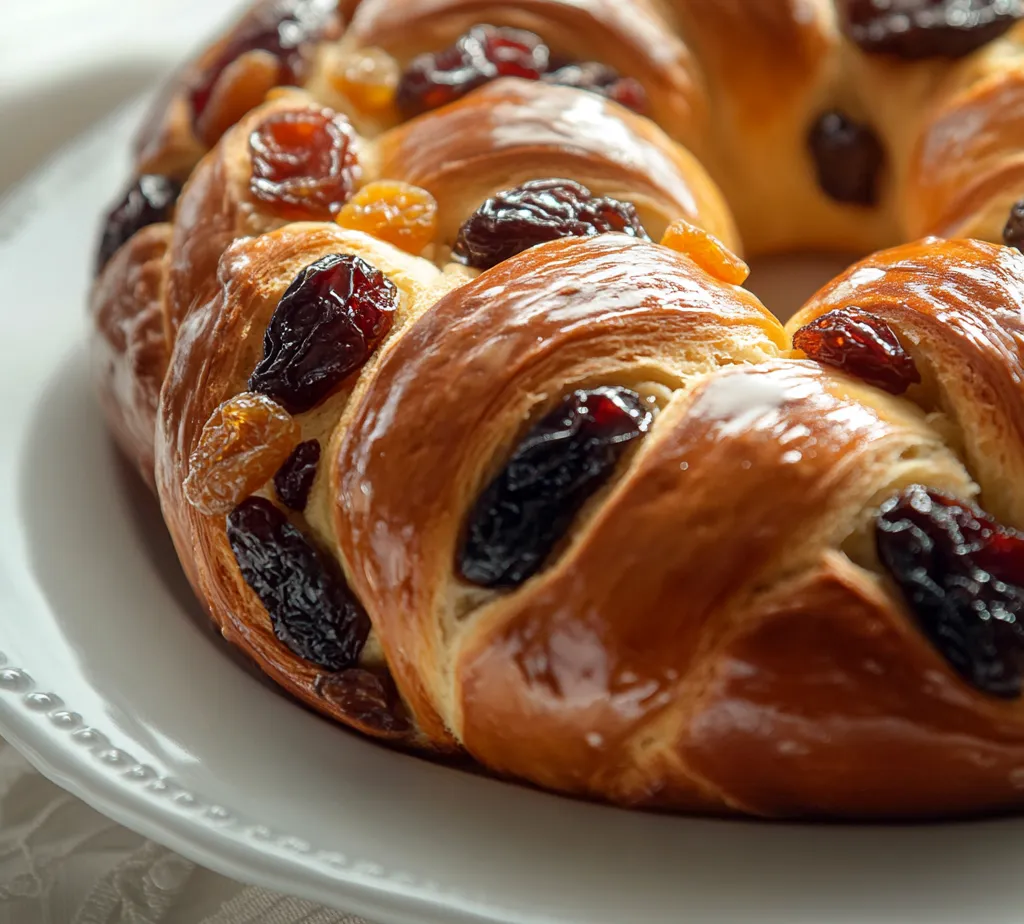
Applying an egg wash before baking the Holiday Delight Bread serves multiple purposes. Firstly, it provides a beautiful golden-brown color to the crust, enhancing the bread’s visual appeal. The proteins in the egg coagulate during baking, resulting in a shiny surface that adds a professional touch. Additionally, the egg wash helps to create a slightly crisp texture on the bread’s outer layer, offering a delightful contrast to the soft, pillowy interior.
How to Create the Egg Wash Mixture
To prepare the egg wash, simply whisk together one egg and one tablespoon of milk until fully combined. This mixture can be brushed onto the surface of the shaped dough before the second rise. For an even more luxurious sheen, you can use cream instead of milk, but this is not essential. Make sure to apply the egg wash evenly using a pastry brush, covering all exposed areas of the dough to ensure consistent coloring when baked.
Second Rising
Significance of Last Rise Before Baking
The second rise, also known as proofing, is a crucial step in the bread-making process that allows the gluten to relax and continue developing flavor. This final rise also helps the bread become light and airy by allowing the yeast to produce more gas bubbles. Skipping this step can result in a densely packed loaf, so it is essential to give the dough the time to rise adequately before baking.
Timing and Techniques for Effective Proofing
After shaping the dough into a loaf or braid, allow it to rise in a warm, draft-free location. This final proof should last about 30 minutes, or until the dough has puffed up noticeably. To maximize the effectiveness of this rise, consider placing the dough in a slightly warm oven (turned off) or covering it with a damp cloth to maintain humidity. This environment prevents the surface from drying out, aiding fermentation and achieving a fluffy final product.
Baking Instructions
Preparing the Oven
Before the baking process begins, preheat your oven to 350°F (175°C). An adequately preheated oven is necessary for creating the optimal conditions for baking bread. It ensures that the bread rises properly during the initial stages of baking, forming a well-structured crust. If you have a baking stone or steel, place it in the oven while preheating to help achieve even heat distribution.
Monitoring Baking Time and Temperature
Once the bread is placed in the oven, closely monitor the time. The recommended baking duration is between 30-35 minutes; however, ovens may vary. It’s important to check for visual cues rather than relying solely on time. Look for a golden crust and a slight expansion of the bread. To ensure it is cooked through, tap the bottom of the loaf–a hollow sound indicates doneness.
Indicators of Perfectly Baked Bread
In addition to color and sound, you can check the internal temperature of the bread using a kitchen thermometer. The internal temperature should reach around 190°F to 200°F (88°C to 93°C). If you notice the top browning too quickly, you can cover it loosely with aluminum foil to prevent burning while allowing the interior to bake fully.
Cooling and Serving
Best Practices for Cooling Bread
Once the baking is complete, it’s vital to allow the Holiday Delight Bread to cool properly to maintain its texture. Transfer the bread to a wire rack immediately after removing it from the oven. Cooling on a rack allows airflow around the bread and prevents the bottom from becoming soggy. Let the bread cool for at least 30 minutes, as cutting into it too soon can result in a gummy texture.
Presentation Tips for Festive Occasions
For serving, consider placing the sliced bread on a decorative platter or cutting board. It can be festively garnished with sprigs of fresh herbs like rosemary or thyme, giving it a seasonal flair. Adding a light dusting of powdered sugar can elevate its appearance, making it a perfect centerpiece for festive gatherings. Pair it with small bowls of butter or cream cheese to enhance the serving experience.
Flavor Pairings and Serving Suggestions
Delicious Spreads to Accompany the Bread
The tender, slightly sweet nature of the Holiday Delight Bread pairs wonderfully with an array of accompaniments. Consider serving it with flavored butters, such as honey butter or cinnamon butter, which would beautifully complement the notes of fruit and nuts in the bread. Cream cheese, possibly flavored with a hint of citrus, can provide a nice tangy contrast, making each bite more exciting.
Garnishing for an Extra Touch of Elegance
Beyond herbs, garnishing can add an additional layer of appeal. Thinly slice fresh fruits like apples or pears and arrange them alongside the bread. A drizzle of honey can add a touch of sweetness, while a scattering of chopped nuts on the platter can complete the festive theme. Arranging these elements thoughtfully can make for a stunning presentation that invites guests to partake.
Storing and Reheating Tips
Best Methods for Storing Leftover Bread
To prolong the freshness of your Holiday Delight Bread, store it appropriately. If storing for just a few days, keep the bread in an airtight container or wrap it tightly in plastic wrap and place it at room temperature away from direct sunlight. For longer storage, consider freezing the bread. Wrap it in plastic wrap followed by aluminum foil or place it in a freezer-safe bag. Properly wrapped, it can last up to three months in the freezer.
How to Reheat Without Losing Texture
When reheating, the goal is to bring back the original soft texture without drying it out. If frozen, thaw the bread in the refrigerator overnight, or allow it to sit at room temperature for a few hours. For reheating, preheat your oven to 350°F (175°C) and place the bread (wrapped in foil) in the oven for about 10-15 minutes. This gentle reheating will revive the bread’s moisture and texture, making it almost as good as freshly baked.
Conclusion
The Holiday Delight Bread offers a delightful combination of warmth and festive flavors, enhanced by the chewy dried fruits and crunchy nuts. The bread’s golden crust, paired with a light dusting of powdered sugar, invites enjoyment on any holiday table, and takes a total attentive time of about 3 hours from start to finish. Its enticing aroma and rich flavors make it a centerpiece of holiday celebrations.
Holiday Delight Bread Recipe: A Festive Baking Tradition
Ingredients
- 4 cups all-purpose flour
- 1 cup warm milk
- ½ cup granulated sugar
- ½ cup unsalted butter
- 2 large eggs
- 1 packet active dry yeast
- 1 tsp pure vanilla extract
- ½ tsp almond extract
- 1 tsp sea salt
- ½ cup mixed dried fruits
- ½ cup chopped nuts
- ¼ cup candied orange peel
- 1 large egg for egg wash
- 1 tbsp milk for egg wash
- to taste powdered sugar optional
Instructions
- Mix warm milk and sugar until dissolved, then sprinkle yeast and let sit until frothy.
- In a large bowl, whisk flour and salt, then create a well and add yeast mixture, butter, eggs, and extracts.
- Stir until a dough forms, then knead on a floured surface for about 10 minutes until smooth.
- Fold in dried fruits, nuts, and optional candied orange peel, kneading gently.
- Place dough in a greased bowl, cover, and let rise in a warm place for 1-2 hours until doubled.
- Preheat oven to 350°F (175°C).
- Punch down the risen dough, shape it, and place on a parchment-lined baking sheet.
- Whisk egg and milk for egg wash, then brush over the shaped bread.
- Let rise again for 30 minutes while the oven preheats.
- Bake for 30-35 minutes until golden brown and hollow when tapped.
- Cool on a wire rack and dust with powdered sugar if desired.