
Introduction
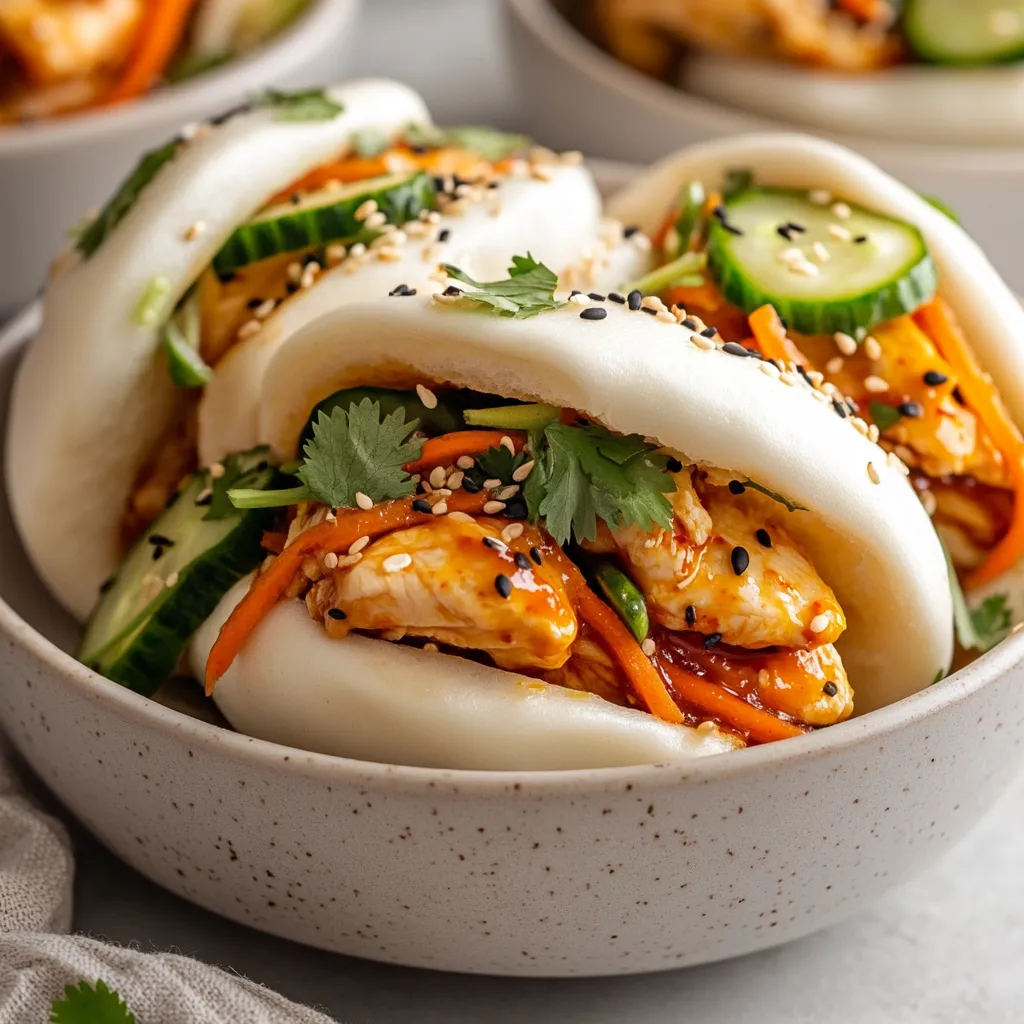
Korean Chicken Bao Buns present an irresistible fusion of flavors that blend the traditional qualities of Asian bao with vibrant Korean tastes. This dish offers a delightful culinary journey with every bite, featuring soft, fluffy buns enveloping a spicy and sticky chicken filling. The bao buns are typically steamed, resulting in a light and airy texture that contrasts wonderfully with the bold flavors of the chicken.
The combination of gochujang, sesame oil, and aromatic spices creates a marinade that infuses the chicken with depth and sweetness, making it a standout element of this dish. Not only is it a feast for the taste buds, but it’s also visually appealing, making it perfect for casual gatherings, festive celebrations, or even just a comforting family meal. Whether served as an appetizer or a main course, these bao buns are sure to leave a lasting impression.
Recipe Overview
– Total Time: 1 hour 30 minutes
– Yield/Servings: 10 buns
– Difficulty: Not specified in the recipe
This dish beautifully encapsulates the essence of Korean cuisine within a traditional bao context, making it an exciting recipe to try. The bao buns are not just carriers of flavor but a canvas showcasing the delicious spicy Korean chicken inside. Perfect for entertaining or as a more relaxed weeknight dinner, Korean Chicken Bao Buns offer an exceptional blend of comfort food and culinary adventure.
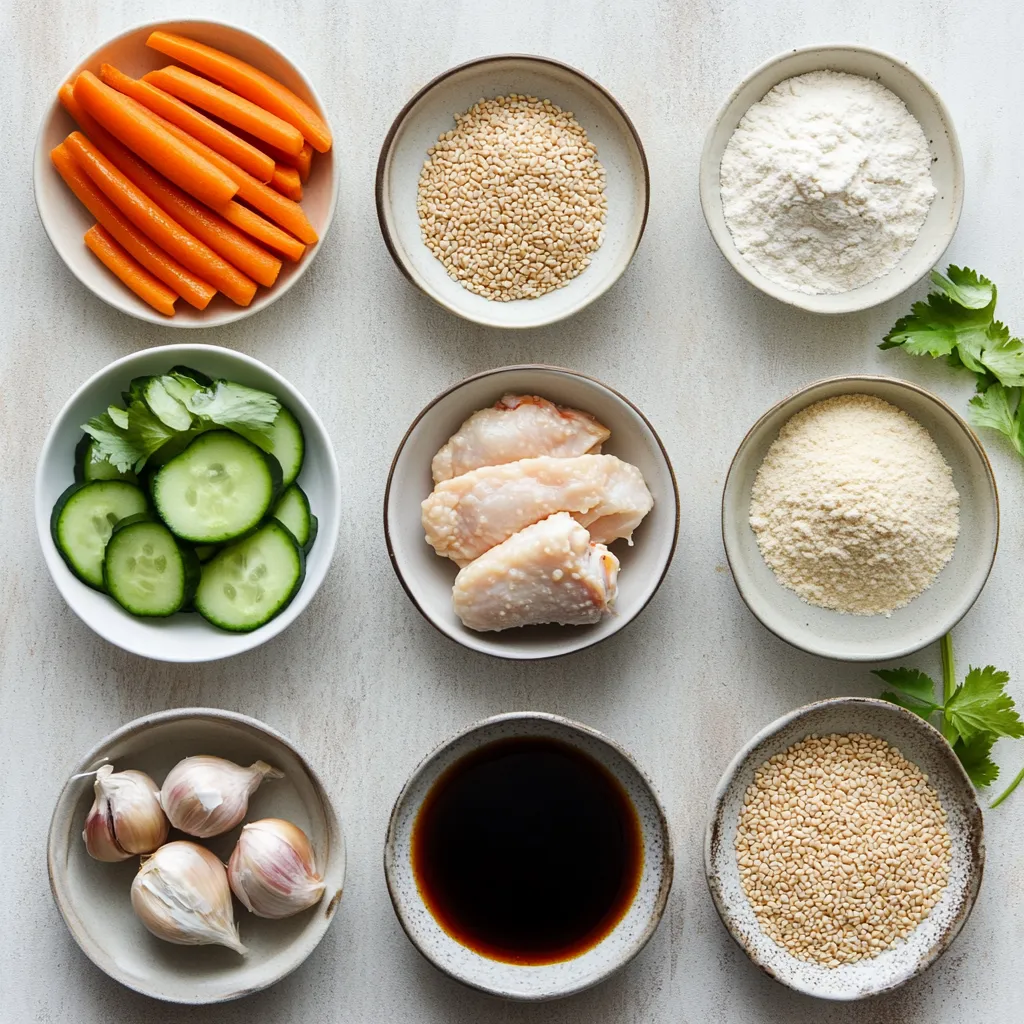
Ingredients
– For the Bao Buns:
– 2 cups all-purpose flour
– 1 teaspoon instant yeast
– 1 tablespoon granulated sugar
– 1/2 teaspoon salt
– 3/4 cup warm water (about 110°F or 43°C)
– 1 tablespoon vegetable oil
– For the Spicy Korean Chicken:
– 1 lb boneless, skinless chicken thighs
– 1/4 cup gochujang (Korean chili paste)
– 2 tablespoons soy sauce
– 1 tablespoon honey
– 1 tablespoon sesame oil
– 4 cloves garlic, minced
– 1 teaspoon fresh ginger, grated
– 1 tablespoon rice vinegar
– 1 tablespoon cornstarch
– 1 tablespoon water
– For Serving:
– Sliced cucumbers
– Shredded carrots
– Fresh cilantro leaves
– Toasted sesame seeds
Instructions
1. Prepare the Bao Dough: In a large mixing bowl, whisk together the flour, instant yeast, sugar, and salt until well combined. Gradually pour in the warm water and vegetable oil, stirring until a shaggy dough begins to form. Transfer the dough to a floured surface and knead for about 5–7 minutes until it is smooth and elastic. Place the dough in a lightly greased bowl, cover with a damp cloth or plastic wrap, and let it rise in a warm area for approximately 1 hour, or until it has doubled in size.
2. Make the Spicy Korean Chicken: While the dough is rising, prepare the chicken marinade. In a medium bowl, combine the gochujang, soy sauce, honey, sesame oil, minced garlic, grated ginger, and rice vinegar. Add the chicken thighs to the marinade, ensuring they are well coated. Cover and let marinate for at least 30 minutes, allowing the flavors to meld.
3. Cook the Chicken: Heat a skillet over medium heat. Remove the chicken from the marinade, reserving the marinade for later use. Cook the chicken in the skillet for about 5–7 minutes on each side, or until it is cooked through and has a nice char. Once cooked, remove the chicken from the skillet and let it rest for a few minutes before slicing it into bite-sized pieces.
4. Prepare the Sauce: In the same skillet, add the reserved marinade. In a small bowl, mix the cornstarch and water until smooth, then stir this mixture into the skillet. Cook for a few minutes, stirring frequently, until the sauce thickens. Toss the sliced chicken in the sauce until it is well coated.
5. Shape the Bao Buns: Once the dough has risen, punch it down gently to release any air bubbles. Divide the dough into 10 equal pieces. Roll each piece into a ball, then flatten it into an oval shape about 1/2 inch thick. Place each formed bun on a small piece of parchment paper to prevent sticking.
6. Steam the Bao Buns: Prepare a steamer basket over a pot of simmering water. Arrange the buns in the steamer, making sure they have space to expand. Cover with a lid and steam for about 10–12 minutes, or until they are fluffy and soft to the touch.
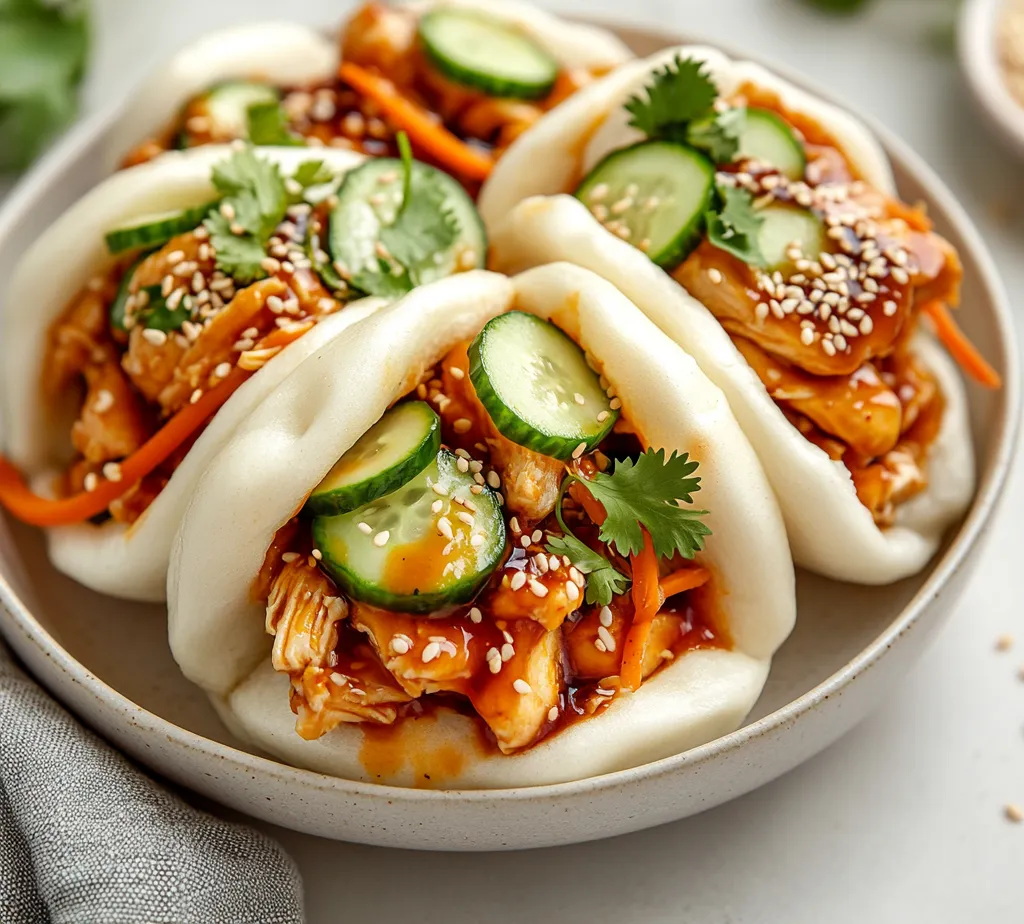
7. Assemble the Bao Buns: To serve, gently open each steamed bao bun and fill it generously with the spicy Korean chicken. Top with slices of cucumber, shredded carrots, fresh cilantro leaves, and a sprinkle of toasted sesame seeds for added crunch and flavor.
8. Enjoy: Serve the bao buns warm, savoring the delightful combination of spicy, sweet, and savory flavors with each bite!
Preparing the Dough
The dough preparation is an essential step in creating the fluffy bao buns that form the backbone of this dish. The success of the bao’s texture hinges on mastering the mixing, kneading, and resting processes.
Mixing Dry Ingredients
Begin by properly combining the flour, instant yeast, sugar, and salt in a large mixing bowl. This is crucial, as it ensures that the yeast is evenly distributed throughout the flour, leading to a uniform rise in the buns. Incorporating sugar not only adds subtle sweetness but also serves as food for the yeast, enhancing the fermentation process.
Adding Wet Ingredients
Gradually integrate the warm water and vegetable oil into the dry mixture. The temperature of the water is particularly important; it should be warm to the touch, approximately 110°F (43°C). This warmth activates the instant yeast, allowing it to work effectively. Stir until the mixture forms a shaggy dough, signaling it’s ready for kneading.
Kneading the Dough
Once the dough has formed, transfer it to a floured surface and begin kneading. Kneading is a technique that develops gluten, which provides structure and elasticity to the dough. Aim for about 5 to 7 minutes of kneading, until the dough is smooth and elastic. Taking the time to knead thoroughly will significantly affect the final texture of the bao buns.
Letting the Dough Rise
After kneading, place the dough in a lightly greased bowl and cover it with a damp cloth or plastic wrap. This resting period allows the dough to rise and double in size, which is essential for producing the fluffy texture characteristic of bao buns. Place it in a warm area, as warmth will facilitate the yeast’s activity, creating air bubbles that contribute to the softness of the final product.
Marinating the Chicken
The marinade is a pivotal component of the Spicy Korean Chicken, as it imparts unique flavors and enhances the overall richness of the dish. Allowing the chicken to marinate properly can transform simple meat into an unforgettable filling for your bao buns.
Creating the Marinade
To prepare the marinade, combine gochujang, soy sauce, honey, sesame oil, minced garlic, grated ginger, and rice vinegar in a medium bowl. Each ingredient plays a vital role—gochujang adds heat, honey provides sweetness, and soy sauce delivers savory depth. Garlic and ginger contribute aromatic freshness, while sesame oil adds a nutty richness. Mixing these ingredients ensures a balanced flavor profile that will penetrate the chicken.
Marination Time
Marinating the chicken for at least 30 minutes is recommended. This time allows the ingredients to meld, allowing the chicken to absorb the bold flavors of the marinade. For more intense flavor penetration, consider marinating for longer, even overnight if time permits. This step is key to enhancing the overall dish, resulting in chicken that is juicy and packed with flavor, perfectly complementing the soft bao buns.
Cooking the Chicken
Cooking the chicken properly is paramount to achieving the perfect texture and flavor for this dish. The goal is to create succulent, flavor-packed chicken with a nice char.
In a heated skillet over medium heat, remove the chicken from the marinade and reserve the marinade for later. Cooking the chicken for about 5 to 7 minutes on each side allows for an ideal sear while ensuring it is cooked through. Keep an eye on the temperature to prevent overcooking, as this can lead to dry chicken.
After cooking, let the chicken rest for a few minutes before slicing it into bite-sized pieces. This resting period allows the juices to redistribute throughout the meat, resulting in a tender and juicy filling for your bao buns. The next step is to create a rich sauce from the reserved marinade, which will elevate the flavor profile even further.
Preparing the Skillet
Preheating the skillet is a crucial step in ensuring your chicken attains that perfect sear. Begin by setting your skillet over medium heat for at least 3-5 minutes before adding the chicken. A properly heated skillet will help create a beautiful golden-brown crust, adding depth of flavor and a pleasing texture to the dish.
Cooking Method
To achieve the best results, consider cooking the chicken thighs in two batches if your skillet is not large enough. Place the marinated chicken in the skillet, allowing it to sear without overcrowding the pan, which can cause the meat to steam rather than brown. Cook for about 5-7 minutes on each side, monitoring closely to prevent burning. If the chicken starts to char too quickly, reduce the heat just a tad, ensuring a juicy inside while still developing that desirable caramelization.
Resting and Slicing
After cooking, letting the chicken rest for about 5 minutes is vital. This rest period allows the juices to redistribute throughout the meat, leading to a moister finish when sliced. If you cut into it too soon, the juices are likely to run out, resulting in dryer pieces. Slicing the chicken into bite-sized pieces after resting will also make assembling the bao buns easier.
Making the Sauce
Crafting the sauce that accompanies the spicy chicken is integral to achieving a well-rounded flavor profile.
Using Reserved Marinade
Utilizing the reserved marinade not only adds bold flavors but also creates a cohesive sauce around the chicken. After removing the cooked chicken from the skillet, pour the marinade into the pan while it is still hot. Allowing the marinade to cook for a few minutes enhances the flavors, making the dish even more delicious.
Thickening the Sauce
The cornstarch slurry plays a pivotal role in achieving the right sauce consistency. Combine one tablespoon of cornstarch with one tablespoon of water to make a smooth slurry. This mixture should be stirred into the cooked marinade, and as the sauce bubbles, it will thicken to a silky consistency, coating the chicken perfectly.
Coating the Chicken
Once the sauce has thickened, add the sliced chicken back into the skillet. Toss gently using tongs or a spatula to coat all the pieces evenly without breaking them apart. Ensuring every piece is well covered will enhance the overall flavor of your baos.
Shaping the Bao Buns
Mastering the shape of the bao buns is not only essential for aesthetics but also helps ensure they cook evenly.
Dividing the Dough
After the dough has risen, punch it down gently to deflate and release air bubbles. To evenly divide the dough into 10 pieces, you can use a bench scraper or a sharp knife. Roll the dough into a log shape and cut it into equal portions to maintain uniformity.
Forming each Bun
For each piece of dough, begin by rolling it into a smooth ball. Flatten the ball gently using the palm to form an oval shape, approximately 1/2 inch thick. As a tip, avoid using too much flour while rolling to maintain its softness, ensuring that the bao itself remains tender after steaming.
Preventing Sticking
Using parchment paper under each shaped bun is crucial. This technique not only prevents sticking but also makes transferring the buns to the steamer easier. Cut small squares of parchment paper (about 3-4 inches) to place under each formed bun.
Steaming the Bao Buns
Proper steaming is vital for achieving that soft, fluffy texture characteristic of bao buns.
Setting Up the Steamer
In a pot, add enough water to the steamer to create steam without touching the buns. The water should be kept at a gentle simmer to produce consistent steam. If using a traditional bamboo steamer, make sure to elevate it properly over the water.
Steaming Time
Steam the bao buns for 10-12 minutes. The timing can vary slightly based on your steamer and the size of the buns, so keep an eye on them. Once they have doubled in size and are fluffy to the touch, they are ready to be removed.
Texture Check
Aim for a light, airy texture when checking if the buns are done. They should bounce back slightly when pressed gently while remaining soft. If they feel dense or gummy, they may need an additional minute or two in the steamer.
Assembling the Bao Buns
Next comes the assembly, where those lovely buns come together with the savory filling.
Opening the Bao Buns
Gently open each steamed bao by placing your thumb on one side and your index finger on the opposite side. This technique helps to create a pocket for the filling without tearing the bun.
Filling with Chicken
Fill each bun generously with the spicy Korean chicken, ensuring that the pieces are distributed evenly. You can pour a bit of extra sauce over the chicken for enhanced flavor and moisture.
Adding Fresh Toppings
Top the chicken with fresh slices of cucumber, shredded carrots, and a sprinkle of cilantro leaves. These toppings not only add a vibrant color contrast but also provide a crisp texture and freshness, enhancing the overall experience.
Presentation Tips
Creating an appealing presentation elevates the dining experience.
Arranging the Buns
Arrange the assembled bao buns on a colorful platter, with the open side facing up to showcase the filling. Spacing them apart allows each bun to be easily reachable without needing to displace others.
Garnishing Ideas
Consider garnishing with additional cilantro and a sprinkle of toasted sesame seeds. For an added pop of color, you could also include thinly sliced red radishes or additional shredded carrots.
Serving Suggestions
Pair the bao buns with colorful side dishes like pickled vegetables to provide a bright and tangy contrast to the sweetness of the filling. This balance of flavors and colors will make your meal not only enjoyable but visually appealing as well.
Conclusion
The Korean Chicken Bao Buns deliver a delightful balance of sweetness and spice, with a texture that is incredibly soft and fluffy. This recipe takes approximately 1 hour and 30 minutes from start to finish, resulting in mouthwatering bites perfect for sharing or enjoying alone. Each element complements the others, creating a fulfilling meal.
Korean Chicken Bao Buns: Spicy, Sticky and Seriously Soft
Ingredients
- 2 cups all-purpose flour
- 1 teaspoon instant yeast
- 1 tablespoon granulated sugar
- ½ teaspoon salt
- ¾ cup warm water
- 1 tablespoon vegetable oil
- 1 lb boneless skinless chicken thighs
- ¼ cup gochujang
- 2 tablespoons soy sauce
- 1 tablespoon honey
- 1 tablespoon sesame oil
- 4 cloves garlic minced
- 1 teaspoon fresh ginger grated
- 1 tablespoon rice vinegar
- 1 tablespoon cornstarch
- 1 tablespoon water
- sliced cucumbers
- shredded carrots
- fresh cilantro leaves
- toasted sesame seeds
Instructions
- In a large bowl, whisk together flour, yeast, sugar, and salt. Gradually add warm water and oil, stirring until a shaggy dough forms.
- Knead the dough on a floured surface for 5-7 minutes until smooth. Place in a greased bowl, cover, and let rise for 1 hour.
- In a medium bowl, mix gochujang, soy sauce, honey, sesame oil, garlic, ginger, and vinegar. Add chicken, coat well, and marinate for 30 minutes.
- Heat a skillet over medium heat. Cook chicken for 5-7 minutes on each side until cooked through. Let rest before slicing.
- In the same skillet, add reserved marinade. Mix cornstarch and water, stir into skillet, and cook until sauce thickens.
- Punch down risen dough and divide into 10 pieces. Roll each into a ball, then flatten into an oval shape.
- Prepare a steamer basket over simmering water. Steam buns for 10-12 minutes until fluffy.
- Open each bun and fill with spicy chicken. Top with cucumbers, carrots, cilantro, and sesame seeds.
- Serve warm and enjoy the delightful flavors.