

Introduction
Spicy Coconut Curry Noodle Soup is a delectable dish that perfectly balances rich, creamy flavors with vibrant, fresh vegetables. This hearty soup is aromatic, warming, and deeply satisfying, making it a beloved option for those looking to enjoy a comforting meal. Its enticing blend of spices and creamy coconut milk make it not just a treat for the taste buds, but also a feast for the eyes, showcasing an array of colorful vegetables.
Health-conscious eaters will appreciate that this recipe is not only delicious but also packed with nutrients. The combination of vegetables like carrots and bell peppers infuses the soup with vitamins and minerals, while coconut milk adds a satisfying creaminess that feels indulgent without being unhealthy. Being vegan-friendly, this dish caters to various dietary preferences, ensuring that everyone can enjoy a bowl of this delightful soup.
Whether you’re preparing a cozy meal for yourself or serving it at a gathering, Spicy Coconut Curry Noodle Soup is versatile enough for any occasion. It’s ideal for chilly evenings, casual get-togethers, or even as a comforting lunch option. Its adaptability allows you to customize the soup based on available ingredients or personal preferences, while still maintaining its core essence.
Recipe Overview
– Total Time: 30 minutes
– Prep Time: 15 minutes
– Servings: 4
– Difficulty: Not specified in the recipe
This delightful soup is characterized by its explosion of flavors and enticing textures. The warmth from the red curry paste complements the creaminess of coconut milk, while the fresh vegetables add a satisfying crunch. Perfectly suited for both casual dinners and special occasions, it can be served as a stand-alone dish or accompanied by bread or rice.
Ingredients
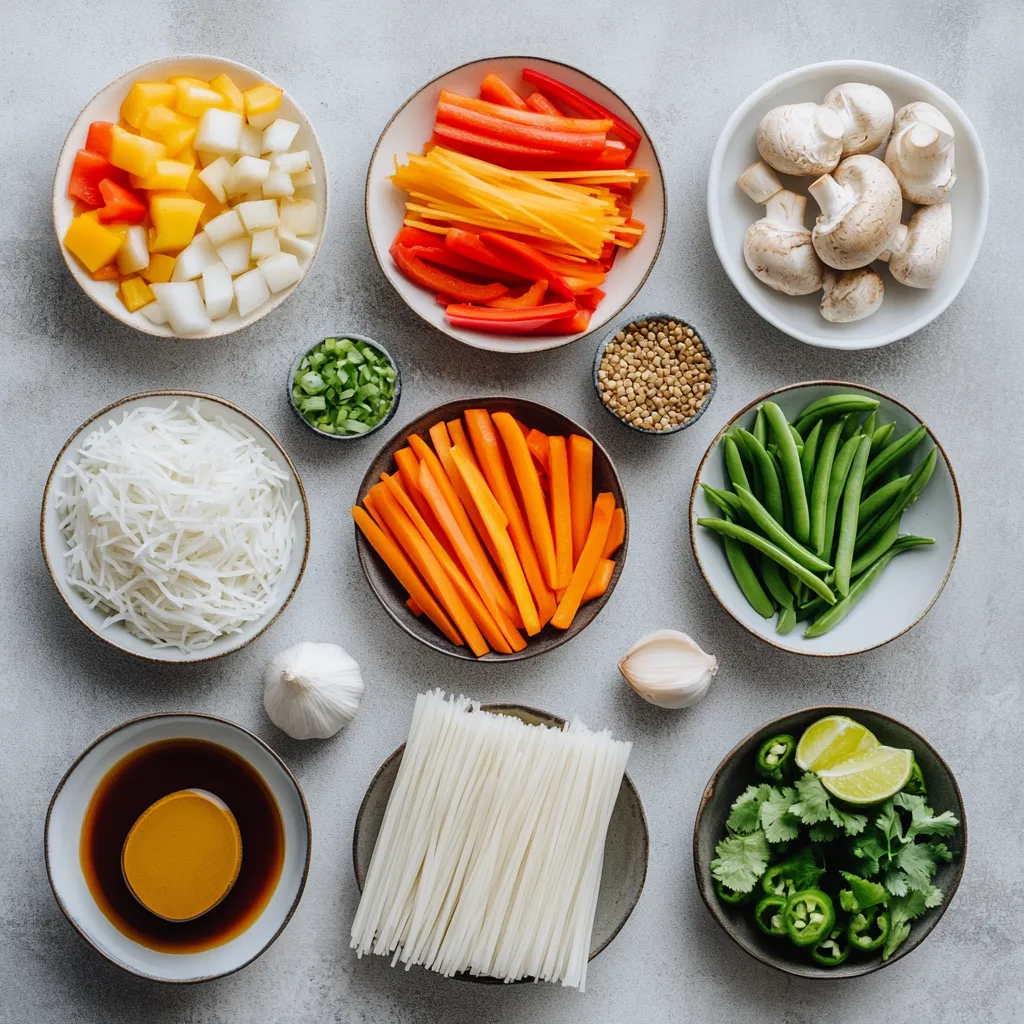
– 2 tablespoons coconut oil
– 1 medium onion, diced
– 3 cloves garlic, minced
– 1 tablespoon fresh ginger, grated
– 2 tablespoons red curry paste
– 1 can (14 oz) coconut milk
– 4 cups vegetable broth
– 1 tablespoon soy sauce or tamari
– 1 tablespoon brown sugar
– 1 cup carrots, julienned
– 1 cup bell pepper, sliced (any color)
– 1 cup mushrooms, sliced
– 1 cup snap peas
– 8 oz rice noodles (or your preferred noodles)
– 2 green onions, chopped (for garnish)
– Fresh cilantro, chopped (for garnish)
– Lime wedges (for serving)
Coconut oil plays a pivotal role in this recipe, not only providing a unique flavor but also containing medium-chain fatty acids that are known for their health benefits. The medley of fresh vegetables offers a variety of nutrients, from the beta-carotene in carrots to the vitamin C found in bell peppers. Coconut milk is essential for achieving a rich, creamy consistency, ensuring the soup feels indulgent yet light.
For those with specific dietary needs, adjustments can be made. For instance, using gluten-free noodles or opting for low-sodium soy sauce can help accommodate different lifestyles without sacrificing flavor.
Instructions
1. Begin by heating the coconut oil in a large pot over medium heat. Once the oil is melted, add the diced onion and sauté for approximately 5 minutes, stirring occasionally, until the onion becomes soft and translucent.
2. Incorporate the minced garlic and grated ginger into the pot, cooking for an additional 1-2 minutes until the mixture is aromatic and the garlic is lightly golden.
3. Next, add the red curry paste to the pot, stirring constantly for about 2 minutes. This step is crucial as it helps to release the flavors of the curry paste.
4. Gradually pour in the coconut milk and vegetable broth, stirring well to ensure everything is combined. Then, mix in the soy sauce and brown sugar to balance the flavors.
5. Allow the soup to come to a gentle simmer. Once simmering, add the julienned carrots, sliced bell pepper, mushrooms, and snap peas. Cook for about 5-7 minutes or until the vegetables are tender but still vibrant.
6. While the vegetables are cooking, prepare the rice noodles according to the package instructions. Once cooked, drain them and set aside.
7. After the vegetables reach your desired level of tenderness, gently fold in the cooked noodles. Stir to combine and heat through for an additional 1-2 minutes.
8. Serve the hot soup in bowls, garnished with freshly chopped green onions and cilantro. For an extra burst of flavor, squeeze fresh lime juice over the top before enjoying.
Cooking Techniques
Sautéing is a fundamental technique used in this recipe, particularly for developing the flavor base of the soup. By heating the coconut oil and then adding the onion, you create a fragrant start that enhances the overall taste of the dish. Caramelizing the onions helps to draw out their natural sweetness, contributing depth to the soup.
When adding garlic and ginger, cooking them just until fragrant is critical. This brief cooking time prevents the garlic from burning while still extracting its essential oils and flavor.
Mixing the red curry paste into the sautéed ingredients is equally important. Stirring it constantly serves to awaken the spices, allowing their flavors to bloom before adding the liquids. This step is vital to ensuring the spices are well distributed throughout the soup.
Simmering the soup not only allows the ingredients to meld together but also optimizes flavor extraction. The gentle heat encourages the vegetables to soften without losing their vibrant colors and nutrients, ensuring each bowl of soup is both visually appealing and nutritious.
Creating the Broth
The union of coconut milk and vegetable broth forms the heart of this soup, providing a creamy yet light base. The process of combining these liquids should be done gradually to ensure a smooth and even consistency. Stirring well is essential to prevent any separation, and it transforms the soup into a luscious, rich concoction that serves as the perfect backdrop for the vegetables.
Flavor balancing is key when introducing soy sauce and brown sugar. These ingredients enhance the soup’s natural sweetness and umami notes while highlighting the bright flavors of the fresh vegetables. If you desire a thicker broth, consider simmering the soup uncovered for an additional few minutes to allow for a bit of reduction, intensifying the flavors without compromising the soup’s desired texture.
Preparing the Vegetables
Julienning carrots and slicing bell peppers might seem straightforward, but proper technique can enhance both presentation and cooking time. For julienning carrots, using a sharp knife or mandoline will yield even, thin strips that not only cook quickly but also add appealing visual elements to the soup.
When slicing bell peppers, removing the seeds and the white pith ensures that only the vibrant flesh is included. Aim for uniform slices to promote even cooking throughout the dish.
Efficiency is key in the kitchen, especially when preparing multiple vegetables. Utilizing a sharp knife and a cutting board designated for vegetables can streamline the process, ensuring all ingredients are prepped swiftly and comfortably. Keeping the cooking times optimal guarantees a balance between tenderness and crunch, preserving the soup’s fresh flavor and appealing texture.
Variations for Vegetable Additions Based on Seasonal Availability
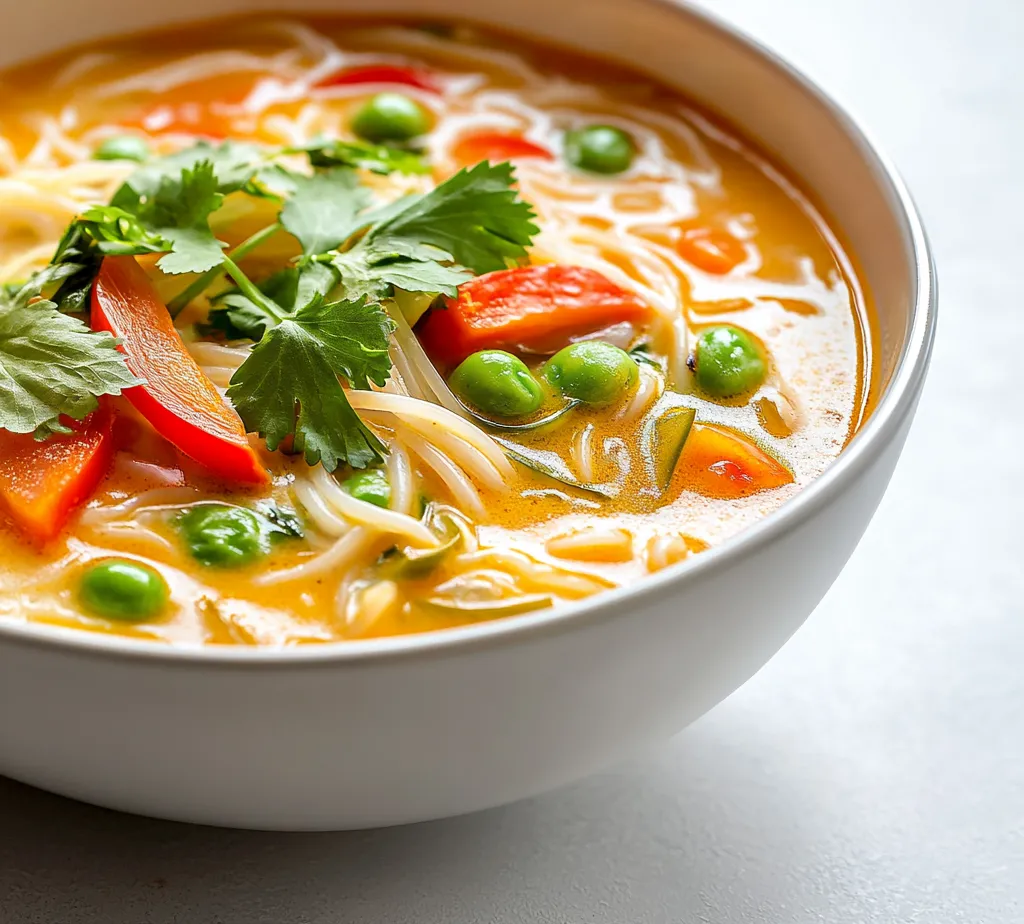
One of the remarkable features of the Spicy Coconut Curry Noodle Soup is its versatility. The broth serves as a perfect canvas that allows you to play with a variety of vegetables based on what’s in season or your personal preference. For instance, during the summer months, consider adding zucchini, fresh corn, or even diced tomatoes for a refreshing twist. Winter can introduce heartier vegetables such as sweet potatoes or butternut squash, both of which can add a slight sweetness that balances the spiciness of the curry. Additionally, leafy greens like spinach or kale can be introduced towards the end of cooking to wilt, adding a nutritious element to the dish without altering its cooking time significantly. This adaptability ensures that each bowl can be tailored to suit your taste while taking advantage of fresh produce at different times of the year.
Rice Noodle Preparation
Guidelines for Cooking Rice Noodles Properly
Cooking rice noodles is straightforward, but attention to detail is essential to achieve the desired texture. Begin by boiling water in a large pot, and once at a rolling boil, remove it from the heat. Add the rice noodles to the hot water and let them soak for the time indicated on the package, usually around 5 to 7 minutes. The key is to occasionally stir the noodles to prevent them from sticking together. When they reach an al dente texture—soft but with a slight bite—drain and rinse them under cold water to halt the cooking process. This step helps to maintain their texture when combined with the hot soup later.
Differences Between Various Types of Noodles
Rice noodles come in various shapes and sizes, including flat and thin vermicelli. Each type will yield a slightly different texture and absorb flavors differently. Thin rice vermicelli will cook more quickly than wider flat noodles. When selecting noodles for this soup, choose those that suit your texture preference; wider noodles will provide a heartier bite, while thin noodles will blend smoothly into the broth.
Tips for Preventing Noodles from Becoming Mushy
To avoid mushy noodles, it’s best to ensure that you do not over-soak them. Follow package instructions closely and, if unsure, err on the side of undercooking slightly, as the noodles will continue to soften when mixed with the hot broth. Also, always rinse drained noodles under cold water to remove excess starch, which can lead to clumping when reheated.
Combining the Soup
Importance of Timing When Combining Noodles and Vegetables
Timing is crucial when mixing the noodles with the soup’s vibrant vegetable medley. Add the noodles only after the vegetables have reached a tender, yet crisp texture. This will help prevent the noodles from soaking up too much broth and losing their integrity. It creates a delightful balance where the noodles, soup, and vegetables come together harmoniously.
Techniques for Gently Folding Noodles into the Broth
When it’s time to combine, use a gentle folding motion with a large spoon or spatula. Avoid stirring vigorously to prevent breaking the noodles. Gently coax the noodles into the broth, ensuring they get coated with the rich curry flavor while maintaining their form.
How to Adjust Seasoning Just Before Serving
Taste the soup just before serving and adjust the seasoning as needed. A touch more soy sauce can deepen the umami flavor, or a squeeze of lime can enhance brightness right before enjoying. Always consider this final step to elevate the dish’s overall flavor profile.
Garnishing the Dish
Suggested Garnishes and Their Roles in Flavor Enhancement
Garnishing is not just about presentation; it also enhances the dish’s flavor. Fresh herbs like cilantro play a pivotal role, imparting a burst of freshness that cuts through the creaminess of the coconut milk. Green onions added on top can introduce a mild sharpness that further contrasts the rich broth.
Importance of Fresh Herbs Like Cilantro
Cilantro is often polarizing, yet its bright, grassy notes bring a vital freshness. Adding it just before serving ensures that it retains its vibrant color and pungent aroma. If cilantro is not a favorite, consider substituting with fresh basil or mint for a different aromatic profile.
The Role of Lime Wedges in Brightening the Dish
Lime wedges are essential as they provide that zesty kick that can elevate the dish’s flavors. A squeeze of lime just before your first bite adds acidity, which can brighten the rich coconut curry, making each spoonful even more delightful.
Presentation Ideas to Enhance Visual Appeal
To truly impress, consider serving the soup in colorful bowls that showcase the radiant colors of the vegetables. A sprinkle of sesame seeds can add a subtle crunch, while lime wedges and herbs around the bowl not only enhance aesthetics but also highlight complementary flavors.
Serving Suggestions
Ideal Accompaniments for the Soup
This soup stands strong as a meal on its own, yet it can be served alongside fresh spring rolls or crispy coconut shrimp, which bring complementary flavors and textures to the table. These dishes can enhance the overall dining experience.
Suggestions for Side Dishes That Complement Flavors
For a heartier accompaniment, consider serving the soup with jasmine rice or quinoa on the side. This adds a nice base that can soak up the delicious coconut curry broth and adds nutritional value to the meal.
Recommendations for Beverage Pairings
To round off the experience, a cold glass of Thai iced tea or a light lager beer pairs beautifully. These drinks can balance the soup’s spicy and creamy notes, making the meal more enjoyable.
Nutrition and Health Benefits
Overview of the Health Benefits of Key Ingredients
The Spicy Coconut Curry Noodle Soup boasts a range of health benefits thanks to its primary ingredients. Coconut milk provides healthy fats, known to be beneficial for heart health, while ginger showcases anti-inflammatory properties. The variety of vegetables delivers essential vitamins, antioxidants, and fiber, promoting overall wellbeing.
Caloric Breakdown and a Note on Serving Sizes
While exact caloric content can vary based on specific ingredients used, a serving of this soup generally contains approximately 350-400 calories, making it a nutritious option for a filling meal. Given the well-rounded nature of the ingredients, a single serving can keep dietary balance in check.
Storing and Reheating
Best Practices for Storing Leftover Soup
To store leftover soup, allow it to cool completely before transferring it to airtight containers. This can be kept in the refrigerator for up to 3-4 days. Ensure that the noodles are kept separate if you wish to maintain their texture.
Tips for Reheating Without Compromising Texture or Flavor
When reheating, opt for the stovetop method for the best results. Warm the soup gently over medium heat until hot, taking care to stir occasionally to prevent the noodles from sticking. If the soup appears too thick, you can add a splash of vegetable broth or water to achieve the desired consistency.
How to Refresh the Dish with Additional Garnishes When Reheating
Consider reviving the dish with fresh garnishes such as extra lime juice, more cilantro, or even a sprinkle of crushed nuts for added texture. This can reinvigorate the dish and provide a fresh flavor kick after refrigeration.
Conclusion
The Spicy Coconut Curry Noodle Soup is a delightful blend of creamy coconut and vibrant vegetables, offering a satisfying taste experience in just 30 minutes. Its spicy undertones combined with the freshness of garnishes create a comforting yet invigorating bowl of nourishment. Whether enjoyed as a warming meal or a soothing dish during chilly evenings, this soup is sure to please the palate.
Spicy Coconut Curry Noodle Soup Recipe
Ingredients
- 2 tablespoons coconut oil
- 1 medium onion diced
- 3 cloves garlic minced
- 1 tablespoon fresh ginger grated
- 2 tablespoons red curry paste
- 1 can 14 oz coconut milk
- 4 cups vegetable broth
- 1 tablespoon soy sauce or tamari
- 1 tablespoon brown sugar
- 1 cup carrots julienned
- 1 cup bell pepper sliced
- 1 cup mushrooms sliced
- 1 cup snap peas
- 8 oz rice noodles
- 2 green onions chopped for garnish
- Fresh cilantro chopped for garnish
- Lime wedges for serving
Instructions
- Heat coconut oil in a large pot over medium heat and sauté diced onion for 5 minutes until soft.
- Add minced garlic and grated ginger, cooking for 1-2 minutes until aromatic.
- Stir in red curry paste and cook for 2 minutes to release flavors.
- Pour in coconut milk and vegetable broth, mixing well, then add soy sauce and brown sugar.
- Bring to a gentle simmer, then add carrots, bell pepper, mushrooms, and snap peas. Cook for 5-7 minutes.
- Prepare rice noodles according to package instructions, drain, and set aside.
- Fold in cooked noodles into the soup and heat through for 1-2 minutes.
- Serve hot, garnished with green onions and cilantro, and lime wedges on the side.