
Introduction
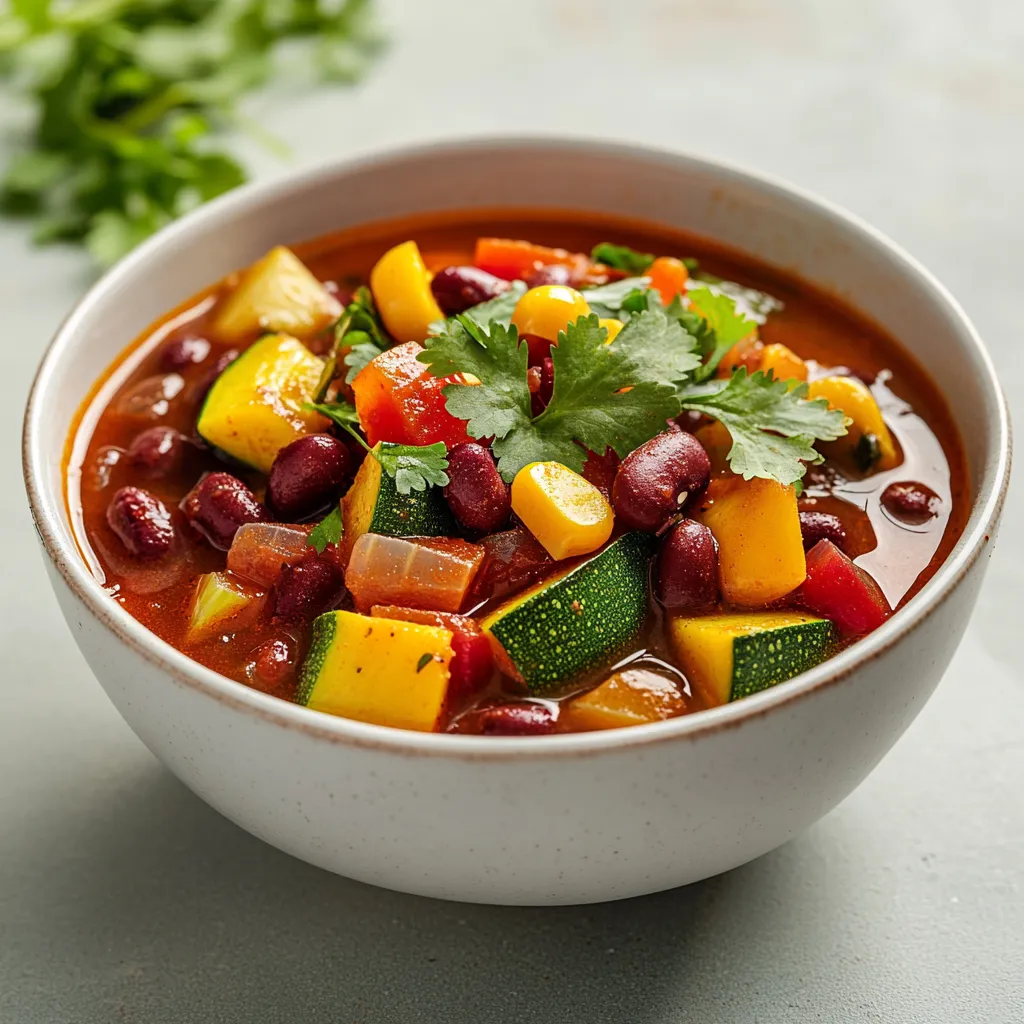
Three Sisters Stew is a nourishing dish that celebrates the rich culinary traditions of Indigenous cultures, which is rooted in the harmonious growing of three key crops: corn, beans, and squash. This stew is not just a meal; it’s a story of sustainability, agriculture, and culture. The combination of these three staples creates a wholesome and satisfying dish that is bursting with flavor, making it perfect for a family dinner, potlucks, or even elegant gatherings.
What sets the Three Sisters Stew apart is its balance of different textures and flavors. The flint corn contributes a delightful crunch, the beans add creaminess and protein, while the assortment of vegetables brings freshness and color. This vegan-friendly dish is adaptable, allowing it to cater to various dietary preferences, making it a perfect option for anyone looking to incorporate healthy, plant-based meals into their diet.
Whether it’s a crisp fall evening or a warm summer night, the inviting aroma of this hearty stew simmering on the stovetop will fill your kitchen and create a comforting ambiance. In this article, you will find detailed instructions on how to create this delightful dish step-by-step, ensuring that you replicate its authentic flavors in your own home.
Recipe Overview
– Total Time: 1 hour 15 minutes
– Servings: 6
– Difficulty: Not specified in the recipe
Ingredients
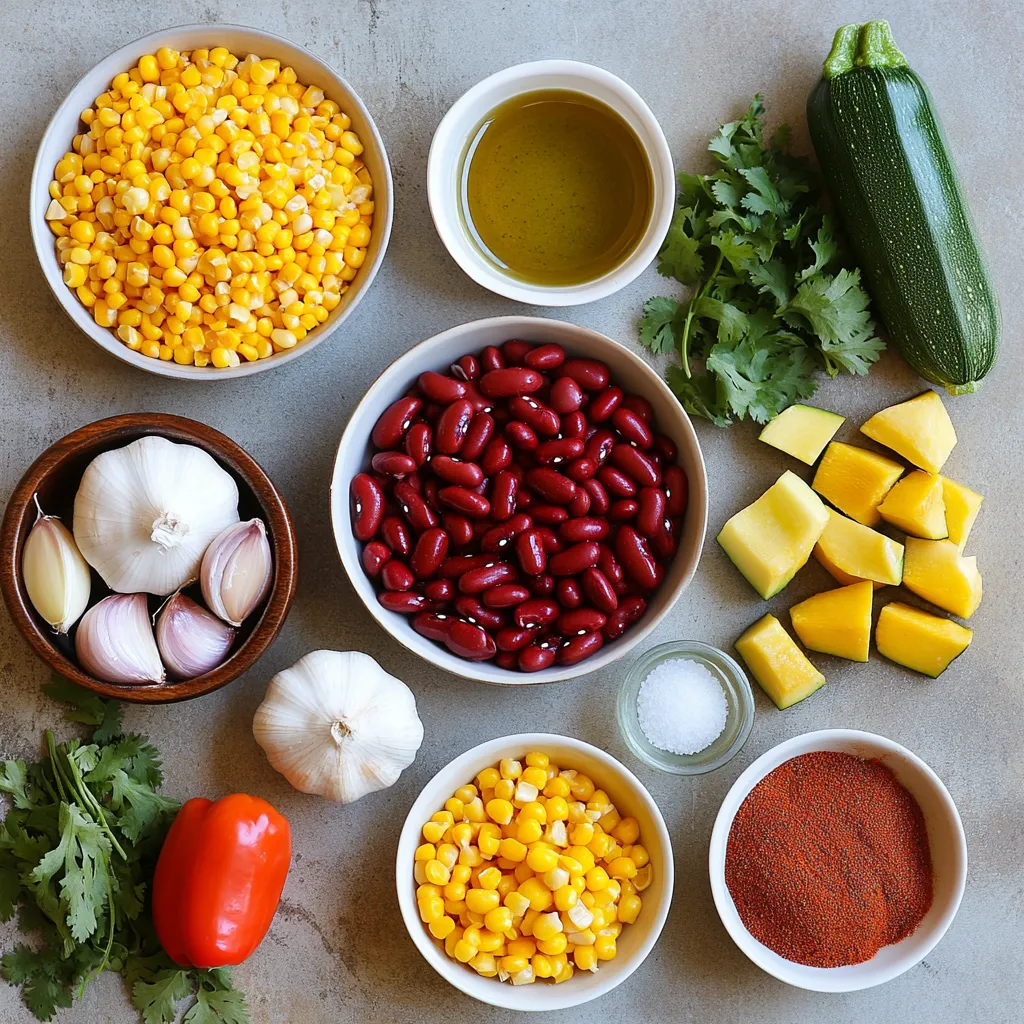
– 1 cup dried flint corn
– 1 cup kidney beans (or pinto beans), soaked overnight
– 1 medium zucchini, diced
– 1 medium yellow squash, diced
– 1 medium onion, finely chopped
– 2 cloves garlic, minced
– 1 red or yellow bell pepper, chopped
– 4 cups vegetable broth (or chicken broth)
– 1 teaspoon ground cumin
– 1 teaspoon smoked paprika
– 1 teaspoon dried oregano
– Salt and freshly ground black pepper, to taste
– 2 tablespoons extra virgin olive oil
– Fresh cilantro or parsley, chopped, for garnish (optional)
Instructions
1. Prepare the Beans: Start by draining and rinsing the soaked kidney or pinto beans thoroughly under cold water. In a large pot, cover the beans with fresh water, and bring to a rolling boil over high heat. Once boiling, reduce the heat to low and let the beans simmer for approximately 1 hour or until they are tender. Once cooked, drain the beans and set them aside for later use.
2. Sauté the Vegetables: In the same pot, add the extra virgin olive oil and heat it over medium heat. Next, add the finely chopped onion and chopped bell pepper. Cook for about 5 minutes, stirring occasionally, until the onions and peppers soften and release their fragrant aromas. Add the minced garlic to the pot and cook for an additional minute, stirring continuously to prevent the garlic from burning.
3. Add the Corn and Spices: Once the vegetables are ready, incorporate the dried flint corn into the pot along with the ground cumin, smoked paprika, dried oregano, salt, and freshly ground black pepper. Give everything a good stir and allow it to cook for about 2 minutes. This step helps toast the spices and enhances their flavors, making them even more aromatic.
4. Combine Ingredients: Pour the vegetable broth into the pot, stirring well to combine all the ingredients. Bring the mixture to a boil again before reducing the heat to low. Add in the cooked beans along with the diced zucchini and yellow squash. Stir everything gently to ensure an even distribution of ingredients throughout the stew.
5. Simmer the Stew: Cover the pot with a lid and set it to simmer for 30 to 40 minutes. This slow cooking phase allows the corn to become tender and the flavors to meld beautifully, creating a rich and hearty stew. Be sure to stir occasionally to prevent sticking and to check on the consistency.
6. Adjust Seasoning: After simmering, taste the stew and adjust the seasonings if necessary. Add more salt and pepper according to your palate, ensuring the stew has the perfect balance of flavors.
7. Serve: When ready to serve, ladle the hearty Three Sisters Stew into bowls. For an added touch of freshness, sprinkle chopped cilantro or parsley on top. This stew pairs wonderfully with cornbread or crusty bread, making it a complete meal that’s perfect for dipping.
Preparing the Beans
The significance of beans in the Three Sisters Stew cannot be overlooked, as they provide essential protein and a creamy texture that complements the other ingredients beautifully. To start, it is crucial to soak your beans overnight. This helps to soften them and reduces cooking time significantly. When you are ready to prepare the stew, drain and rinse the beans thoroughly under cold water before transferring them to a large pot. Cover the rinsed beans with fresh water and bring them to a boil. The boiling process is essential for tender yet firm beans that blend seamlessly into your stew without falling apart. Simmer them for about an hour, checking occasionally until they reach the desired tenderness. Afterward, drain the beans and set them aside.
Sautéing the Vegetables
Sautéing the vegetables is a crucial step that builds the foundation of flavor for the Three Sisters Stew. Start by heating the olive oil in your pot over medium heat. Once the oil shimmers, add the finely chopped onions and bell peppers. The goal here is to soften them, allowing their natural sweetness to emerge—this usually takes about 5 minutes. Stir occasionally to ensure even cooking. Once the onions become translucent, boost the flavor profile by adding the minced garlic, which should be cooked for just an additional minute. Garlic can easily burn, leading to a bitter flavor, so keep an eye on it. This careful sautéing will yield a fragrant and flavorful base that enhances the stew’s deliciousness.
Adding Corn and Spices
When it comes to introducing the corn and spices into your stew, it’s all about layering flavors. First, add in the dried flint corn, which is known for its unique texture and slight sweetness. This particular corn variety will contribute a delightful chewiness once cooked. Next, sprinkle in the ground cumin, smoked paprika, and dried oregano. These spices are essential for creating the stew’s signature flavors, with cumin lending an earthy undertone, smoked paprika providing a subtle smokiness, and oregano balancing the mix with its herbal notes. Toast the spices for about 2 minutes to unlock their full depth, making sure to stir continuously to avoid any burning. This step is crucial as it helps create a vibrant flavor foundation for the entire dish.
Simmering the Stew
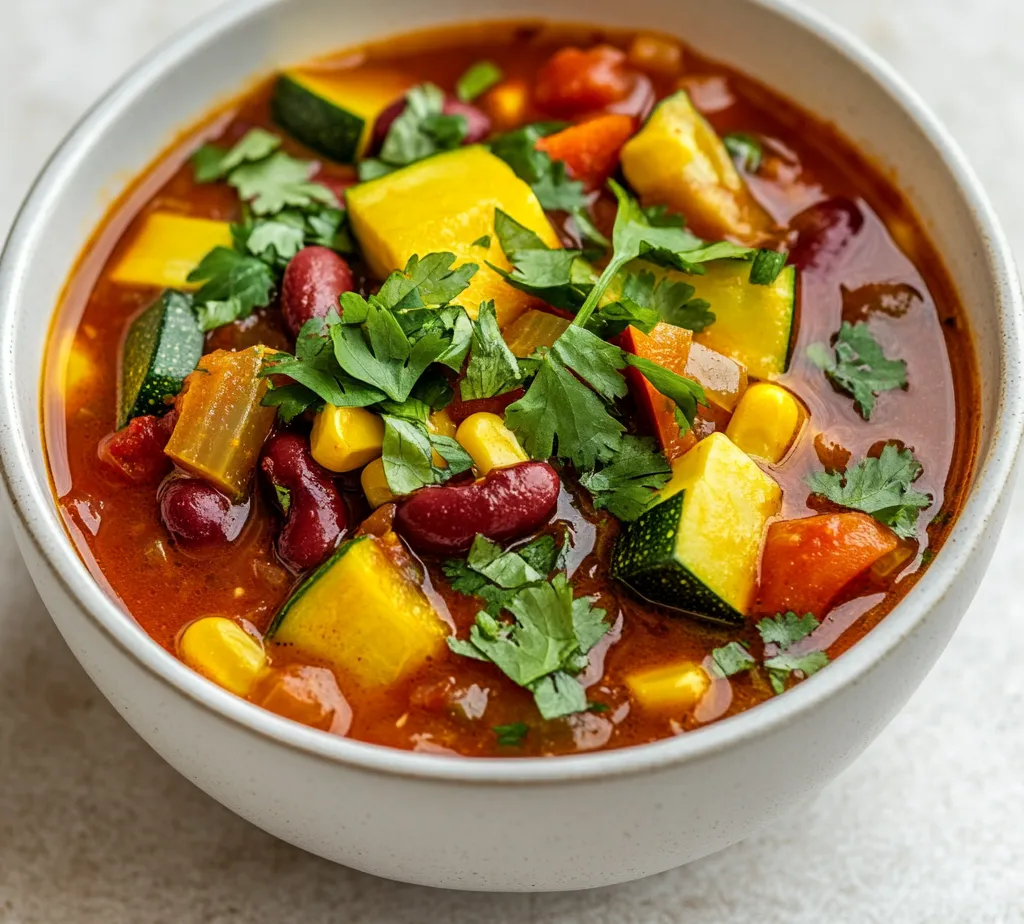
The simmering phase is crucial for developing the stew’s flavors and enhancing its textures. Achieving the right balance during this cooking stage can transform a collection of ingredients into a harmonious dish.
Covering the Pot
Covering the pot while simmering plays a crucial role in building flavor and moisture retention. The lid traps steam, which helps to circulate heat and allows for an even cooking process. As the steam gathers, it combines with the ingredients, infusing the stew with richness and depth. For Three Sisters Stew, the moisture from the vegetables and broth will encourage the flint corn to become tender while ensuring that the beans do not dry out.
Timing the Simmer
Recommended simmering time for Three Sisters Stew is between 30 and 40 minutes. This window provides sufficient time for the corn and squash to become tender without overcooking. If you prefer the vegetables to retain a bit more crunch, consider leaning towards the shorter end of the simmering time. Conversely, for a more deeply integrated flavor profile, extend the simmer up to an additional 10 minutes while monitoring the consistency to prevent excessive thickening.
Seasoning Adjustments
Seasoning adjustments are essential in tailoring the stew to suit personal preferences. Tasting during the cooking process not only enhances the flavors but also turns the cooking experience into a more interactive endeavor.
Tasting the Stew
The best way to assess seasoning in the stew is to use a clean spoon and take a small portion from the center, where flavors are most concentrated. Allow it to cool slightly before tasting. This method provides a more accurate representation of the overall seasoning without interference from individual ingredients.
Adjusting to Preference
Consider adding more than just salt and pepper; explore additional spices like cayenne for heat or a pinch of cinnamon to add warmth. Fresh herbs such as thyme or basil can also elevate the stew’s flavor profile. A splash of vinegar or citrus juice can brighten and balance the dish if needed. The goal is to find a combination that resonates with your taste buds.
Serving Suggestions
Serving this hearty stew can elevate your dining experience, whether for a simple weeknight meal or a festive gathering.
Bowl Presentation
For rustic bowl presentation, consider using earthenware or wooden bowls to give a homely touch. A small handful of fresh cilantro or parsley sprinkled on top not only adds a vibrant green color but also enhances the visual appeal. A wedge of lime can also be placed on the side for those who enjoy a zesty twist.
Pairing Options
This stew pairs wonderfully with cornbread, its sweetness contrasting the savory stew. Alternatively, consider crusty artisan bread, perfect for scooping and adding a chewy texture to each bite. A simple green salad on the side can provide a refreshing crunch that balances the stew’s heartiness.
Storage Tips
Proper storage can maintain the integrity of the stew, allowing for delicious leftovers that are just as satisfying as when freshly made.
Refrigeration Techniques
To store leftover Three Sisters Stew, allow it to cool completely before transferring it to an airtight container. It can be kept in the refrigerator for up to 4 days. To avoid sogginess, it is helpful to only store the amount you plan to consume in one go, leaving the rest untouched until ready to reheat.
Freezing the Stew
For longer storage, Three Sisters Stew freezes exceptionally well. Portion the cooled stew into freezer-safe containers or zip-top bags, leaving some room for expansion. The stew can be frozen for up to 3 months. When reheating, thaw it overnight in the refrigerator and reheat it gently, adding a splash of vegetable broth if necessary to restore its original consistency.
Nutritional Benefits
The nutritional components of Three Sisters Stew come from the variety of wholesome ingredients, making it a nourishing meal.
Corn, Beans, and Squash
Flint corn is a source of complex carbohydrates, fiber, and essential vitamins, including B vitamins that aid in energy production. Beans are packed with protein, fiber, and vital minerals such as iron and magnesium. Zucchini and yellow squash add additional vitamins, antioxidants, and hydration due to their high-water content. Together, they create a balanced meal that can fuel and satisfy, providing essential nutrients while being low in fat.
Cultural Significance
Understanding the cultural background of the Three Sisters can enrich one’s appreciation for this dish.
Indigenous Agricultural Practices
The “Three Sisters” farming method originates from Indigenous agricultural practices in North America, where corn, beans, and squash are traditionally cultivated together. This method showcases mutual benefits: corn offers a structure for beans to climb, beans fix nitrogen in the soil for corn and squash, while squash spreads across the ground to inhibit weeds. This ancient technique emphasizes sustainability, crop rotation, and biodiversity, illustrating an efficient method of land use that has been passed down through generations.
Variations of the Recipe
Understanding variations of the Three Sisters Stew allows for flexibility and customization based on dietary preferences and seasonal ingredients.
Vegan and Gluten-Free Alternatives
The current recipe is inherently vegan and can also be gluten-free, making it suitable for a variety of dietary needs. Ensure that vegetable broth is gluten-free if required, and the integrity of the ingredients can provide a wholesome meal without the need for animal products.
Flavor Enhancements
For those looking to introduce new elements, consider adding a splash of hot sauce or a seasoning blend like taco seasoning for an extra kick. This allows for endless customization, letting the dish evolve with each preparation.
Conclusion
Three Sisters Stew is a delightful amalgamation of textures and flavors, combining tender corn, beans, and a variety of vegetables into a comforting dish. Rich in history and nutrition, the simmering process enhances its heartiness while the versatility of ingredients invites personalization. With thoughtful presentation and careful storage, this stew remains a timeless dish perfect for any occasion.

Three Sisters Stew Recipe: A Hearty and Wholesome Delight
Ingredients
- 1 cup dried flint corn
- 1 cup kidney beans or pinto beans soaked overnight
- 1 medium zucchini diced
- 1 medium yellow squash diced
- 1 medium onion finely chopped
- 2 cloves garlic minced
- 1 medium red or yellow bell pepper chopped
- 4 cups vegetable broth or chicken broth
- 1 teaspoon ground cumin
- 1 teaspoon smoked paprika
- 1 teaspoon dried oregano
- to taste salt and freshly ground black pepper
- 2 tablespoons extra virgin olive oil
- to taste fresh cilantro or parsley chopped, for garnish
Instructions
- Drain and rinse the soaked beans, then boil them in fresh water for about 1 hour until tender.
- In the same pot, heat olive oil over medium heat and sauté onion and bell pepper for 5 minutes.
- Add minced garlic and cook for an additional minute.
- Stir in dried corn, cumin, paprika, oregano, salt, and pepper, cooking for 2 minutes.
- Pour in vegetable broth and bring to a boil, then reduce heat to low.
- Add cooked beans, zucchini, and yellow squash, stirring gently.
- Cover and let the stew simmer for 30-40 minutes, stirring occasionally.
- Taste and adjust seasoning as necessary.
- Serve in bowls, garnished with cilantro or parsley.