
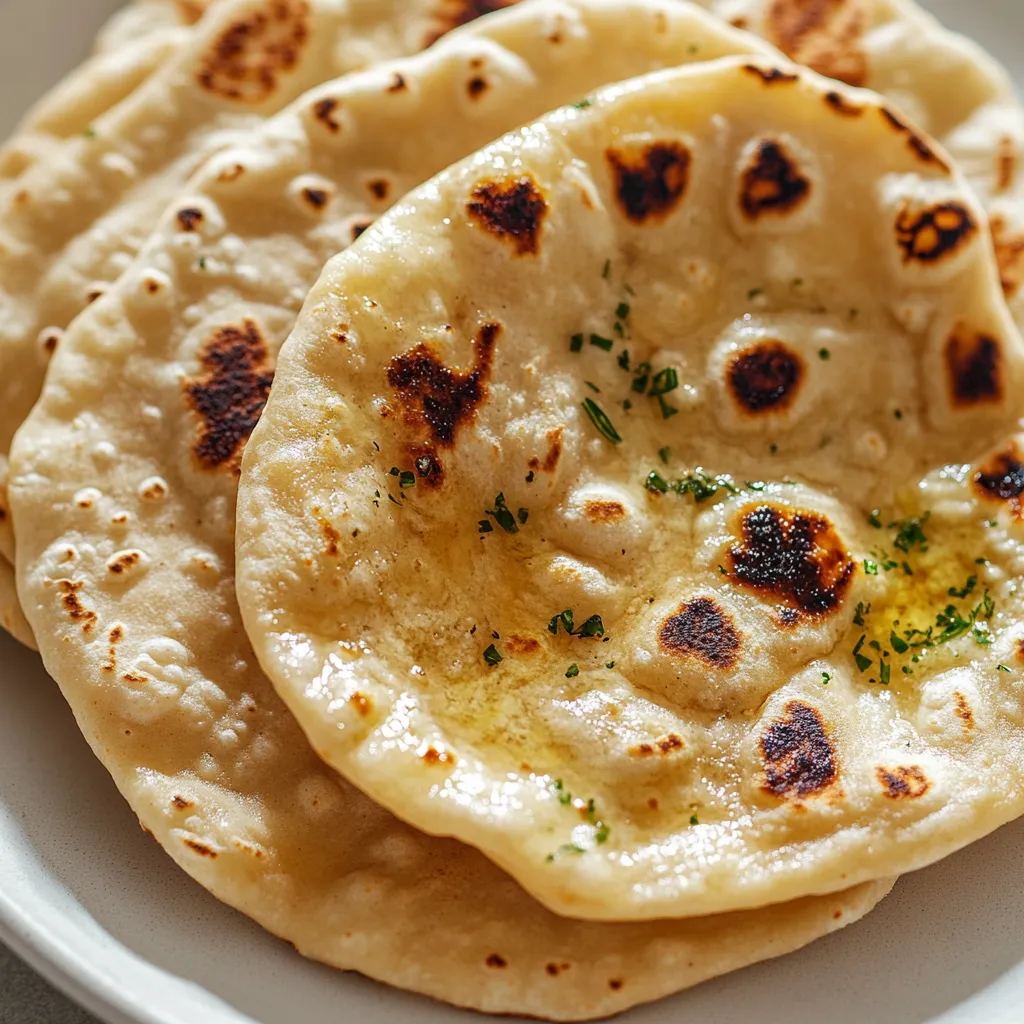
Introduction
Flatbreads have been a staple in cuisines around the world, from the soft, pillowy naan of India to the versatile tortilla of Mexico and the iconic pita of the Middle East. Each type carries its unique history, cultural significance, and deliciousness that enhances various dishes. Homemade flatbreads, particularly, stand out due to their freshness and superior taste compared to store-bought options. There’s something deeply satisfying about crafting these doughy delights from scratch, which adds an element of love and care to any meal.
This article delves into the intricate process of making an ultimate trio of flatbreads: tortillas, naan, and pita. Each variety boasts its own attributes and a range of culinary uses, allowing for versatility in the kitchen. Whether served as an accompaniment to hearty stews, wrapped around savory meats, or enjoyed alone with a simple dip, these flatbreads are both delightful and fulfilling.
By the end of this recipe, you will not only be equipped with the knowledge to create tortillas, naan, and pita but also be inspired to explore various ways to serve and enjoy them. The mouthwatering flavor, texture, and warmth of fresh flatbreads will elevate any meal and create memorable dining experiences.
Recipe Overview
– Total Time: 2 hours
– Yield/Servings: 8-10 (combined)
– Difficulty: Not specified in the recipe
This ultimate flatbread trio not only allows you to impress family and friends with your baking prowess but also offers nutritional benefits. Homemade flatbreads are often free from preservatives and excess additives found in commercial alternatives. They can provide a wholesome base for many meals while helping to control ingredients to suit your dietary needs.
Serving Suggestions
These flatbreads serve as wonderful companions to various dishes. For instance, warm tortillas can wrap around grilled chicken or vegetables for tacos. Naan pairs beautifully with creamy curry, while pita is ideal for filling with shawarma or using as dippers for hummus or tzatziki. Presenting these flatbreads on a large wooden board alongside an array of dips and garnished with fresh herbs creates a vibrant and inviting centerpiece for any table setting.
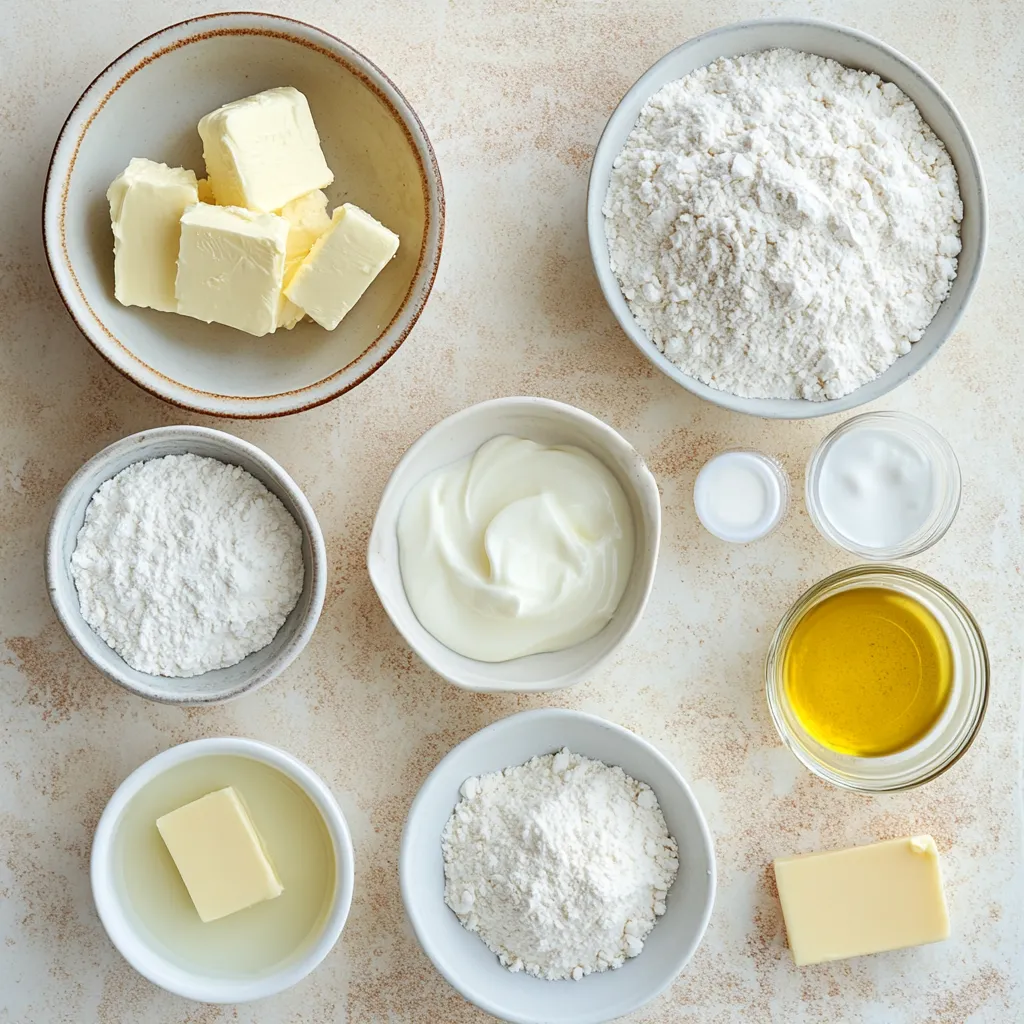
Ingredients
**Homemade Flour Tortillas**
– 2 cups all-purpose flour
– 1/2 teaspoon salt
– 1/4 cup vegetable shortening or unsalted butter
– 3/4 cup warm water
**Naan Flatbread**
– 2 cups all-purpose flour
– 1 teaspoon active dry yeast
– 1 teaspoon sugar
– 1/2 teaspoon salt
– 3/4 cup warm milk (or water)
– 2 tablespoons plain yogurt
– 2 tablespoons melted butter (for brushing)
Pita
– 2 cups all-purpose flour
– 1 teaspoon active dry yeast
– 1 teaspoon salt
– 1 teaspoon sugar
– 3/4 cup warm water
– 1 tablespoon olive oil
Making Homemade Flour Tortillas
Homemade flour tortillas are a hallmark of comfort food, and their freshness markedly enhances their taste and texture. The process of making them is both straightforward and rewarding, transforming simple ingredients into delicious wraps that can elevate any meal.
To start, combine 2 cups of all-purpose flour with 1/2 teaspoon of salt in a large mixing bowl. This mixture forms the base of your tortilla dough and is critical for flavor. Make sure the ingredients are well incorporated.
Next, you’ll add 1/4 cup of vegetable shortening or unsalted butter to the flour. Using your fingers or a pastry cutter, break down the shortening or butter into the flour mixture until you achieve a texture resembling coarse crumbs. This step is essential as it creates those lovely, tender layers in your tortillas.
Gradually pour in 3/4 cup of warm water; the temperature plays a significant role in the dough formation. Using a fork, stir the mixture until the dough begins to form a cohesive ball. Once you see the dough starting to come together, transfer it to a floured surface.
Knead the dough thoroughly for about 5 minutes until it becomes smooth and elastic. This step is vital as it ensures your tortillas have the right amount of elasticity and strength to puff up beautifully while cooking. Once kneading is complete, divide the dough into 8 equal portions and shape each into a ball.
Let the dough balls rest for 30 minutes under a clean cloth. Resting is crucial; it allows the gluten to relax, making it easier to roll out your tortillas later.
After the resting period, roll each ball into a thin circle approximately 8 inches in diameter on a floured surface. The thinness allows for quick cooking, ensuring soft, pliable tortillas.
Heat a skillet over medium-high heat to prepare for cooking the tortillas. Each tortilla should be cooked for about 30 seconds on each side or until lightly browned and puffed up. Repeat the process for the remaining dough balls, keeping the cooked tortillas warm by wrapping them in a clean towel. The end result is a stack of warm, delicious homemade tortillas that can be used immediately or stored for later use.
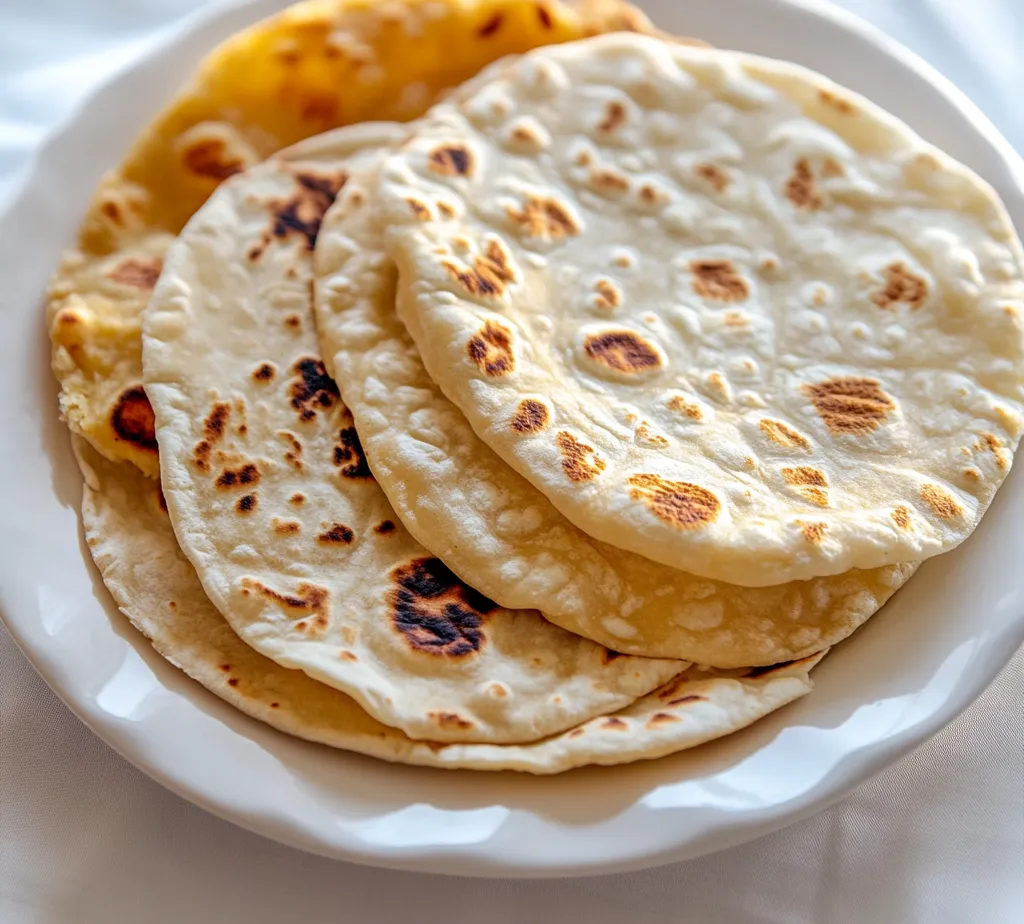
Crafting Naan Flatbread
Naan is a popular Indian flatbread that is traditionally cooked in a tandoor, imparting a charred flavor and unique texture. This flatbread has cultural significance in South Asian cuisine, often served with curries and grilled meats. Its soft, chewy consistency and the aromatic flavors make it a beloved staple.
Step-by-Step Preparation
Creating naan begins with activating the yeast, which is critical for achieving that signature airy texture. Combine the warm milk, yeast, and sugar in a small bowl. It’s essential to ensure the milk temperature is about 110°F (43°C), as excessively hot liquids can kill the yeast.
Activating the Yeast
Allow the mixture to sit for 5-10 minutes until it becomes frothy. This indicates that the yeast is alive and ready to leaven your dough. If no froth appears, you may need to start over with fresh yeast.
Combining Ingredients for the Dough
In a large mixing bowl, combine the all-purpose flour and salt. Make a well in the center and pour in the frothy yeast mixture along with yogurt and melted butter. Mix until a soft dough forms, ensuring that all flour is incorporated.
Kneading and Rising Process: Tips for Achieving the Ideal Texture
Kneading is where the magic happens; transfer the dough to a floured surface and knead for 5-7 minutes until smooth and elastic. A properly kneaded dough will bounce back when poked. After kneading, place the dough into a greased bowl, cover it with a damp cloth, and let it rise in a warm place. This process typically takes about an hour or until the dough doubles in size.
Cooking Methods for Naan
When it’s time to cook naan, you have options. The best method for cooking naan is a hot tandoor, which creates high heat and a smoky flavor. However, if you don’t have access to a tandoor, a cast-iron skillet can achieve excellent results.
Skillet Versus Tandoor: Advantages of Each
A skillet is convenient and allows for more controlled cooking. Preheat it over high heat and place the rolled naan onto the skillet. Flip them once they begin to puff, and you will achieve a delightful char. Tandoor cooking imparts a unique, dry heat that can’t be replicated on a stovetop, resulting in traditional naan.
Finishing Touches: Brushing with Butter for Added Flavor
After the naan is cooked, brush it generously with melted butter. This enriches its flavor and helps keep it moist. You can also sprinkle finely chopped garlic or coriander on top for additional flavor.
Preparing Pita Bread
Pita bread is a Middle Eastern staple that is easily recognized by its pocket-like structure, making it ideal for stuffing with various fillings. Its neutral flavor complements both savory and sweet accompaniments.
Step-by-Step Preparation
Just as with naan, pita preparation starts with activating the yeast. In a small bowl, combine the warm water, sugar, and yeast for 5-10 minutes until it froths.
Activating the Yeast for Pita Dough
Using the right water temperature is crucial here too. Aim for 110°F to ensure the yeast activates correctly.
Combining Ingredients and Kneading
In a large bowl, mix the flour and salt. The activated yeast mixture and olive oil are then added, creating a dough. Knead on a floured surface for about 5 minutes, which will develop the gluten and give your pita its characteristic puff.
The Importance of Rising and How to Know It’s Ready
Once kneaded, the dough should rise in a greased bowl covered with a cloth. After one hour, it should swell to about double its original size. You can test readiness by gently pressing the dough; it should retain a slight indentation.
Baking Pita: Tips for Achieving the Perfect Puff
Preheat your oven to 475°F (245°C) with a baking stone or inverted baking sheet inside for at least 30 minutes to ensure it’s sufficiently hot. Roll out the dough into thin discs and quickly place them on the hot surface. Within minutes, the pitas should puff up dramatically.
Oven Preheating and Baking Stone Recommendations
Using a pizza stone or baking steel helps retain heat during the baking process, giving each pita the ability to expand fully, creating that sought-after pocket.
Tips for Perfect Flatbreads
Common Mistakes and How to Avoid Them
One common mistake is not allowing enough time for the dough to rise. Insufficient rising results in flat, dense bread. Ensure your kitchen is warm enough, and be patient.
Importance of Ingredient Quality: Flour and Yeast Selection
The quality of flour and yeast directly affects your flatbreads. Opt for high protein content in flour for elasticity, and always check yeast freshness before use.
Temperature Considerations: Why Warm Liquids Matter
Warm liquids help yeast activate and promote a quicker rise. Always ensure they’re at the right temperature to prevent yeast from being dormant or dead.
Serving Suggestions
Creative Ways to Serve Homemade Flatbreads
These flatbreads can be served in numerous ways, from being the base of a delicious wrap to complementing a charcuterie board.
Pairing Ideas with Dips Like Hummus and Tzatziki
Consider pairing naan with rich curries, pita with homestyle tzatziki, and tortillas for fresh guacamole. Fresh herbs and pickled vegetables can also enhance the flavors.
Garnishing Tips for Presentation Using Fresh Herbs
For an appealing presentation, garnish with fresh cilantro or parsley. A drizzle of olive oil or sprinkle of sesame seeds can elevate the visual and flavor experience.
Storage and Reheating Techniques
Best Practices for Storing Flatbreads
To maintain freshness, store your flatbreads in an airtight container or wrap them in foil. They will retain moisture and prevent drying out.
How to Keep Tortillas, Naan, and Pita Fresh Longer
Freezing flatbreads is an excellent option for long-term storage. Place parchment paper between each piece to prevent sticking.
Reheating Methods to Restore Texture and Taste
To reheat, briefly place flatbreads in a hot skillet or oven. This revitalizes their softness and flavor without drying them out.
Health Benefits of Homemade Flatbreads
Nutritional Advantages of Making Flatbreads Versus Store-Bought
Homemade flatbreads often contain fewer preservatives and added ingredients compared to commercial options, making them a healthier choice.
Customizability: Adding Whole Grains, Seeds, or Herbs
You can experiment with whole wheat for added fiber or introduce seeds like sesame for extra nutrition.
Portion Control and Dietary Preferences
When making at home, you can easily adjust portion sizes according to dietary needs, making essential considerations for any lifestyle.
Exploring Variations and Customizations
Freezing Flatbreads for Future Use
Freezing your flatbreads allows you to enjoy homemade goodness at any time—simple thaw and heat, fresh from your kitchen.
Flavor Variations for Each Type (e.g., Herbs or Spices)
Consider adding spices like cumin or coriander to naan for added flavor or even barbecue seasoning to tortillas for a twist.
Gluten-Free Options and Substitutions
While a gluten-free dough for these recipes is not specified, many resources exist if this is a dietary concern, allowing for customization according to your needs.
Conclusion
Homemade tortillas, naan, and pita create a delightful trio that embodies comfort and versatility. With their distinct textures and flavors, these flatbreads enhance any meal, whether served warm or as part of a larger spread. Their preparation time is minimal, and with practice, you can achieve impressive results that will impress family and friends.
Ultimate Flatbread Trio: Tortillas, Naan, and Pita
Ingredients
- 2 cups all-purpose flour
- ½ teaspoon salt
- ¼ cup vegetable shortening or unsalted butter
- ¾ cup warm water
- 1 teaspoon active dry yeast
- 1 teaspoon sugar
- ¾ cup warm milk or water
- 2 tablespoons plain yogurt
- 2 tablespoons melted butter for brushing
- 1 tablespoon olive oil
Instructions
- For tortillas, whisk flour and salt in a bowl, then mix in shortening until crumbly.
- Gradually add warm water, stirring until a dough forms, then knead until smooth.
- Divide into 8 balls, let rest for 30 minutes, then roll into thin circles.
- Cook each tortilla in a skillet for 30 seconds on each side until browned.
- For naan, combine yeast, sugar, and warm milk; let sit until frothy.
- Mix flour and salt, then add yeast mixture and yogurt to form a dough.
- Knead until smooth, let rise for 1 hour, then roll into ovals.
- Cook naan in a hot skillet for 1-2 minutes per side, brushing with butter.
- For pita, mix yeast, sugar, and warm water; let sit until frothy.
- Combine flour and salt, add yeast mixture and olive oil, then knead.
- Let rise for 1 hour, then roll into circles and bake at 475°F for 5-7 minutes.