
Introduction
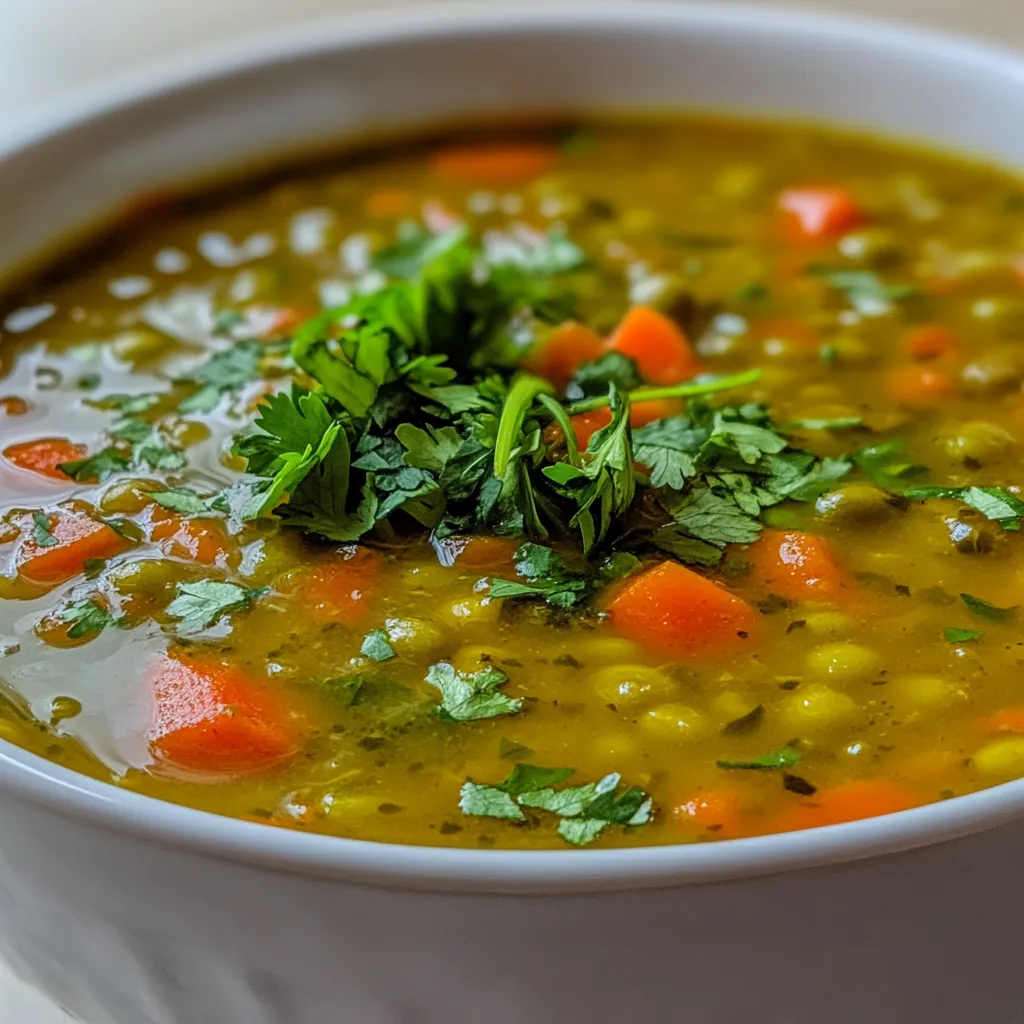
Mung bean soup is a nourishing dish celebrated for its wholesome ingredients and comforting flavors. This recipe guides you through creating the ultimate homemade mung bean soup, perfect for any occasion. From vibrant vegetables to aromatic spices, each element of this soup contributes to a delightful culinary experience that warms the soul.
The combination of mung beans and fresh vegetables not only makes it a hearty meal but also a nutritious one. Mung beans are known for their high protein and fiber content, making this soup a fantastic choice for vegans and health-conscious eaters alike. The addition of spices such as cumin and turmeric enhances the flavor profile, bringing a distinct warmth and depth, while cilantro and lime juice finish the dish, adding freshness and brightness.
Whether you’re seeking a cozy dish for a chilly evening or a nourishing starter for a gathering, this mung bean soup stands out as an easy-to-prepare option that satisfies hunger without weighing you down.
Recipe Overview
This mung bean soup is a simple yet satisfying recipe ideal for a cozy meal. The combination of mung beans, fresh vegetables, and fragrant spices creates a rich and flavorful soup that is both hearty and healthy.
Key Features
– Rich in nutrients
– Vegan-friendly
– Easy to prepare in under an hour
Serving Suggestions
– Pairs well with crusty bread
– Great as a standalone dish or as a starter
Ingredients
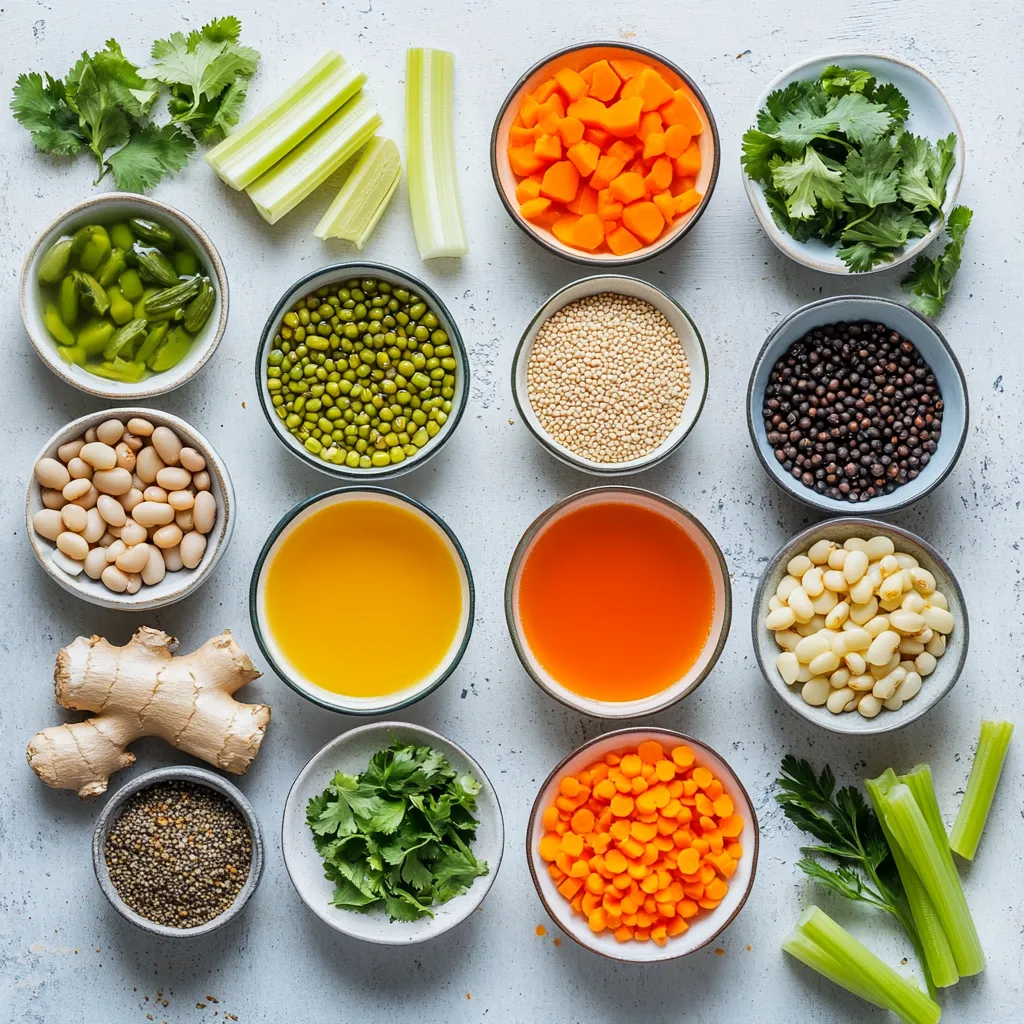
Understanding the key components is essential for crafting your perfect mung bean soup.
Main Ingredients
– 1 cup mung beans, rinsed and soaked for 4 hours
– 4 cups vegetable broth
– 1 medium onion, finely diced
– 2 cloves garlic, minced
– 1-inch piece of fresh ginger, grated
– 2 medium carrots, diced
– 1 celery stalk, diced
Spices
– 1 teaspoon ground cumin
– 1 teaspoon turmeric powder
– Salt and freshly ground black pepper, to taste
Garnishes
– Fresh cilantro leaves, for garnish
– Juice of 1 lime
Optional Additions
– Extra lime juice drizzled on top
– A sprinkle of extra cumin for garnishing
– Whole mung beans for visual appeal
Instructions
1. In a large pot, heat a splash of oil over medium heat. Add the finely diced onion and sauté until it becomes translucent and soft, about 5 minutes.
2. Incorporate the minced garlic and grated ginger into the pot, cooking for an additional minute until the mixture becomes aromatic.
3. Add the diced carrots and celery, stirring frequently for about 5 minutes, or until they begin to soften.
4. Introduce the soaked mung beans, vegetable broth, ground cumin, turmeric powder, salt, and pepper to the pot. Stir well to combine all ingredients.
5. Increase the heat to bring the mixture to a boil. Once boiling, reduce the heat to low and allow the soup to simmer for 30-35 minutes, or until the mung beans are tender and cooked through.
6. For a creamy texture, use an immersion blender to blend the soup to your desired consistency. If you prefer a chunkier texture, skip this step and leave the soup as is.
7. Stir in the fresh lime juice and taste the soup, adjusting the seasoning with more salt and pepper if needed.
8. Serve the soup hot, garnished with fresh cilantro leaves for a burst of color and flavor.
Presentation Tips
Serve the soup in deep bowls, and drizzle a little extra lime juice on top just before serving for an added zesty kick. Consider adding a sprinkle of extra cumin or a few whole mung beans for visual appeal.
Preparation Steps
A careful approach to each step ensures that your mung bean soup turns out flavorful.
Soaking the Mung Beans
Soaking mung beans for a minimum of four hours is crucial for achieving the best texture in your soup. This process not only softens the beans but also facilitates even cooking while enhancing digestibility. Rinsing the beans before soaking helps remove any impurities and debris, which is essential for ensuring a clean flavor in your final dish. Soaking, as simple as it may seem, significantly impacts the soup’s overall quality.
Cooking the Base
The foundation of the soup begins with sautéing the onion, which contributes rich flavors to the final dish. Cook the onion until it turns translucent and soft—this usually takes around five minutes and is vital for developing a deeper flavor profile. After the onion is ready, the integration of garlic and ginger occurs, cooking them just long enough to release their aromatic oils. This combination creates a wonderful fragrant base that elevates the overall taste of the soup.
Adding Vegetables
Dicing the carrots and celery adds texture and nutrition to the soup. Aim for uniform pieces to ensure even cooking. Timing is key when adding these vegetables; they should be introduced once the onion, garlic, and ginger have had the chance to meld their flavors. Cooking them for around five minutes allows them to soften slightly while retaining some crunch, which adds a delightful contrast to the tender mung beans.
Cooking Process
Following the right cooking process can significantly enhance the soup’s depth of flavor.
Combining Ingredients
After preparing the aromatic base and vegetables, it’s time to combine the soaked mung beans with the vegetable broth, spices, and seasoning. Stirring well ensures that the ingredients mix evenly, which is crucial for a balanced flavor throughout the soup. This step is important as it sets the stage for the upcoming simmering phase.
Simmering for Flavor
Once the pot reaches a boil, reducing the heat to low is essential to allow the soup to simmer gently. This step should last for 30-35 minutes; during this time, the mung beans will cook through and become tender. The simmering process allows the spices to infuse the broth, resulting in a rich and aromatic soup. Monitoring the mixture ensures you achieve the perfect texture and flavor.
In sum, creating the ultimate homemade mung bean soup involves attentive preparation and thoughtful cooking. The resulting dish is a nourishing and vibrant meal, ideal for sharing with loved ones or savoring alone on a quiet evening.

Recommended Timing for Optimal Tenderness
To ensure that the mung beans are perfectly tender yet not mushy, it is crucial to manage the simmering time effectively. The recommended cooking time for the mung bean soup is around 30-35 minutes. During this period, the beans should become soft enough to easily mash against the side of the pot but still hold their shape for a pleasing texture. If additional cooking is needed due to the freshness or age of your beans, adding small increments of time while checking for doneness can guarantee the best results.
Blending the Soup
Options for Texture: Creamy vs. Chunky
The texture of the soup can greatly influence the overall dining experience. A creamy version offers a rich and velvety mouthfeel, whereas a chunkier variant provides delightful bites of vegetables and whole beans. Deciding which texture to achieve should align with personal preferences and the type of meal you wish to create.
Using an Immersion Blender Effectively
If opting for a smoother consistency, an immersion blender is a practical kitchen tool that allows for easy blending right within the pot. Begin by blending the soup in short bursts, moving the blender around the pot sufficiently to incorporate all ingredients without over-processing. For those who prefer a balance between creamy and chunky, pulse the blender gently so that some chunks remain intact for added texture.
Final Touches
Enhancing the soup as it nears completion can elevate its overall taste and create a delightful dining experience.
Incorporating Lime Juice
The Role of Acidity in Balancing Flavors
Citrus, specifically lime juice, plays a vital role in the final stages of cooking. The acidity brightens the soup and balances the flavors, cutting through the earthiness of the mung beans and the richness of the sautéed vegetables. It’s recommended to add the lime juice just before serving to preserve its fresh flavor. Start with half the juice, taste, and then adjust according to preference, as some may prefer a brighter or subtler tang.
Tips for Adjusting Seasoning Realistically
After adding lime juice, revisit the seasoning. The acidity may highlight existing salt levels; therefore, tasting is a must. A common tip is to gradually add more salt and pepper, ensuring not to oversalt. Adjusting the soup after blending is also advisable, as flavors can intensify once fully combined.
Garnishing Strategies
Creative Ways to Use Fresh Cilantro
Fresh cilantro not only adds a pop of color but also infuses the soup with a fresh, herbal note. Consider coarsely chopping the cilantro leaves right before serving to maximize their aroma. A few strategically placed leaves will enhance the overall presentation, inviting diners to dig in.
Making the Soup Visually Appealing before Serving
To enhance aesthetics, consider adding a drizzle of extra lime juice, a slight sprinkling of cumin, or topping each bowl with a small handful of whole mung beans. These finishing touches not only make the dish more visually appealing but also enhance the overall flavor.
Serving Ideas
Bowl Presentation
Best Practices for Serving in Deep Bowls
Serving the soup in deep bowls allows for a good portion size while providing ample space for garnishes. A ladle can be used to serve, allowing diners to receive a balanced mix of beans and vegetables. Ensuring bowls are pre-warmed prior to serving can make for a more comforting dining experience.
Adding Finishing Touches for Aesthetics
Before serving, consider adding a small swirl of olive oil or a light dusting of paprika for color. If available, a few edible flowers could make an attractive garnish, adding uniqueness for special occasions.
Accompaniments
Suggestions for Breads or Sides that Complement the Soup
To round out the meal, consider serving with crusty bread, such as sourdough or a garlic bread loaf, which can be dipped into the soup. For a lighter side, a green salad dressed with light vinaigrette can balance the richness of the soup perfectly.
Drink Pairings that Enhance the Meal Experience
Pairing the soup with a refreshing beverage can elevate the overall dining experience. Light herbal teas, sparkling water with lemon, or even a chilled white wine can complement the flavors without overwhelming the palate.
Nutritional Benefits
Mung Beans
Nutritional Profile and Health Benefits
Mung beans are a powerhouse of nutrition, rich in protein, fiber, and various vitamins and minerals including folate and magnesium. Their low glycemic index makes them an excellent food choice for blood sugar management. Adding mung beans to your diet supports heart health and aids in digestion due to their high fiber content.
Role of Mung Beans in a Balanced Diet
Incorporating mung beans can diversify your protein sources, especially for plant-based eaters. Their versatile nature allows them to be integrated into various dishes beyond soups, promoting overall health and providing essential nutrients.
Vegetables
Antioxidant Properties of Carrots, Celery, and Onion
Each vegetable included in this recipe contributes unique nutritional benefits. Carrots are high in beta-carotene, beneficial for vision and skin health. Celery provides hydration and vitamins K and C while onions offer powerful antioxidants that support immune function.
Benefits of Using Fresh Herbs Like Cilantro
Fresh herbs like cilantro are more than just a garnish; they are nutrient-dense and provide anti-inflammatory properties. Cilantro is known to aid in digestion and can help detoxify the body, contributing to overall well-being.
Variations of the Recipe
Adding Proteins
Options for Incorporating Tofu or Chickpeas
For added protein and heartiness, consider incorporating cubed firm tofu or canned chickpeas into the soup. If adding tofu, introduce it after sautéing the vegetables, allowing it to absorb the flavors of the broth. Chickpeas can also be added alongside the mung beans at the beginning but will require minimal adjustment to cooking times.
How to Adjust Cooking Times for Added Ingredients
Depending on the choice of protein, adjust the simmering time accordingly. Tofu cubes may only require a few more minutes to heat through, while chickpeas, if pre-cooked, will also require minimal extra cooking.
Spice Variations
Alternative Spices to Explore for Different Flavor Profiles
While cumin and turmeric anchor the recipe, experimenting with spices like coriander, garam masala, or cayenne pepper can create new depth. Start with small amounts to avoid overwhelming the dish and build up as desired.
Tips for Balancing Spices While Customizing
When introducing additional spices, always remember to taste continuously. Adding new spices in gradual increments helps to ensure a harmonious flavor profile without overshadowing the main ingredients.
Storage Tips
Refrigeration
Best Practices for Storing Leftovers
Any uneaten soup can be stored in an airtight container in the refrigerator for up to 4 days. To maintain the freshness, allow the soup to cool to room temperature before sealing and storing.
Recommended Storage Duration for Freshness
For the best quality and taste, it’s advisable to consume the refrigerated soup within this timeframe. After four days, the flavor and texture may change noticeably.
Freezing Options
Steps for Safely Freezing the Soup
To freeze, allow the soup to cool completely and then transfer it to freezer-safe containers. Leaving some space for expansion is essential, as liquids can expand when frozen.
Reheating Tips for Preserving Flavor and Texture
When ready to enjoy, thaw the soup in the refrigerator overnight or use the defrost setting on the microwave. Reheat gently on the stove over low heat, adding a splash of broth or water if necessary to return the desired consistency while preserving its flavors.
Conclusion
This ultimate homemade mung bean soup strikes a balance between creamy and chunky textures, featuring vibrant flavors enriched by fresh vegetables and spices. With a total preparation and cooking time of around 50 minutes, it offers a convenient yet nutritious dish brimming with health benefits. Enjoy it warm, garnished with cilantro, for a truly delightful meal.

Ultimate Homemade Mung Bean Soup
Ingredients
- 1 cup mung beans rinsed and soaked for 4 hours
- 4 cups vegetable broth
- 1 medium onion finely diced
- 2 cloves garlic minced
- 1 inch piece of fresh ginger grated
- 2 medium carrots diced
- 1 stalk celery diced
- 1 teaspoon ground cumin
- 1 teaspoon turmeric powder
- Salt and freshly ground black pepper to taste
- Fresh cilantro leaves for garnish
- 1 lime Juice of
Instructions
- In a large pot, heat a splash of oil over medium heat.
- Add the finely diced onion and sauté until translucent and soft, about 5 minutes.
- Incorporate the minced garlic and grated ginger, cooking for an additional minute.
- Add the diced carrots and celery, stirring frequently for about 5 minutes.
- Introduce the soaked mung beans, vegetable broth, ground cumin, turmeric, salt, and pepper.
- Bring the mixture to a boil, then reduce heat to low and simmer for 30-35 minutes.
- For a creamy texture, blend the soup to your desired consistency.
- Stir in the fresh lime juice and adjust seasoning if needed.
- Serve hot, garnished with fresh cilantro leaves.