
Introduction
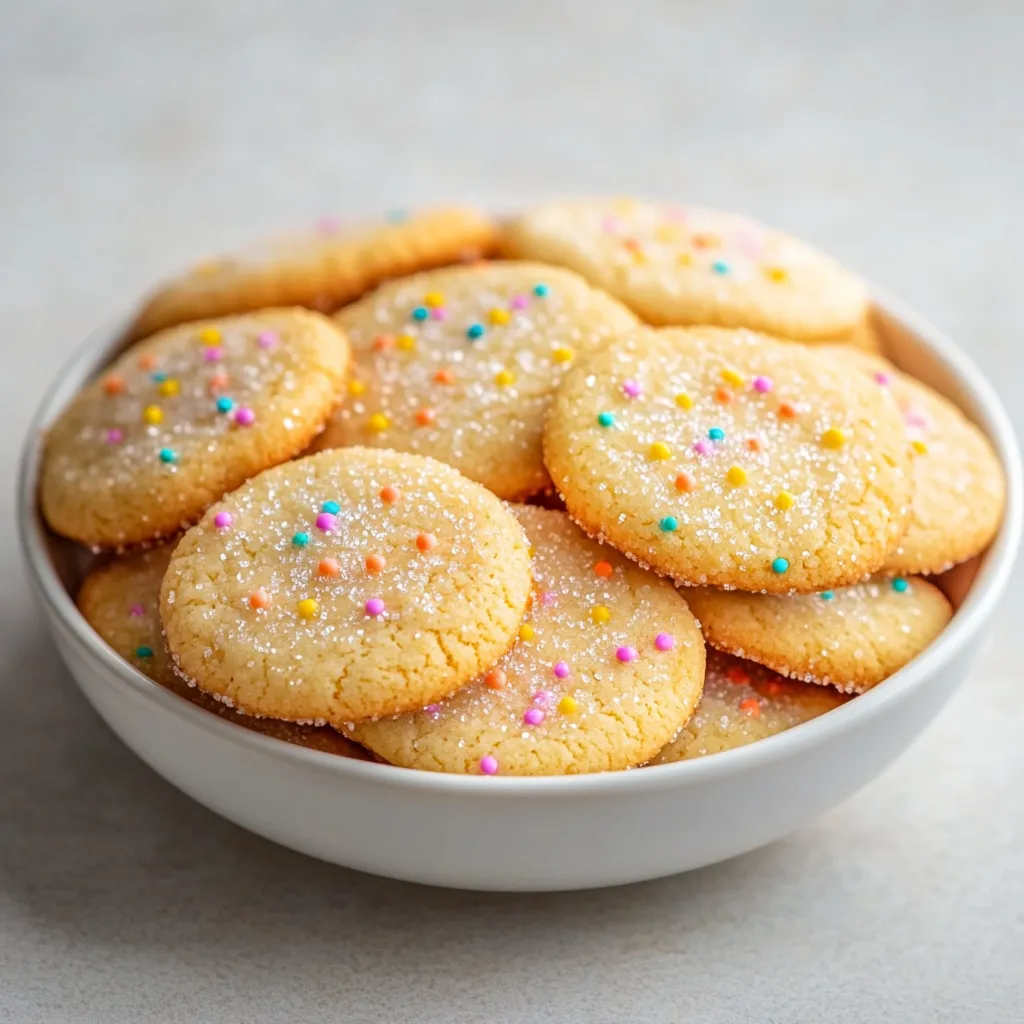
The ultimate soft and chewy sugar cookies are a classic treat that can brighten any occasion. These cookies are characterized by their buttery flavor and delightful texture, making them perfect for sharing or enjoying at home. The combination of a crispy exterior with a soft and chewy center creates a delectable experience that appeals to both children and adults alike. Whether you’re preparing for a holiday gathering, a birthday celebration, or simply a cozy afternoon snack, these sugar cookies will fulfill your cravings with their irresistible charm. This recipe guides you through every step to whip up a batch of these mouthwatering delights that is as fun to make as they are to eat.
Sugar cookies have long been a beloved favorite among countless households, often evoking memories of childhood baking sessions. With their simple yet satisfying ingredients, anyone can create a batch of sugary goodness to share with friends and family. The flavor profile can easily be customized with optional extracts and toppings. This flexibility, combined with the ease of preparation, makes these cookies ideal for any occasion, whether it be a festive holiday gathering or a casual tea party.
Recipe Overview
In this section, we’ll provide an overview of what to expect when making these sugar cookies, including key factors that contribute to their wonderful texture and taste.
Key Features of the Recipe
– Soft and chewy texture that creates a melt-in-your-mouth sensation.
– Rich buttery flavor that elevates these cookies above the rest.
– Quick preparation and baking times that make it easy to enjoy freshly baked cookies in no time.
Ideal Serving Suggestions
– Ideal for holiday gatherings where they can be shared among loved ones.
– Perfect for tea parties or birthday celebrations, adding a scrumptious touch to any occasion.
– Great alongside a glass of milk or coffee, offering a delightful complement to your drink.
Ingredients
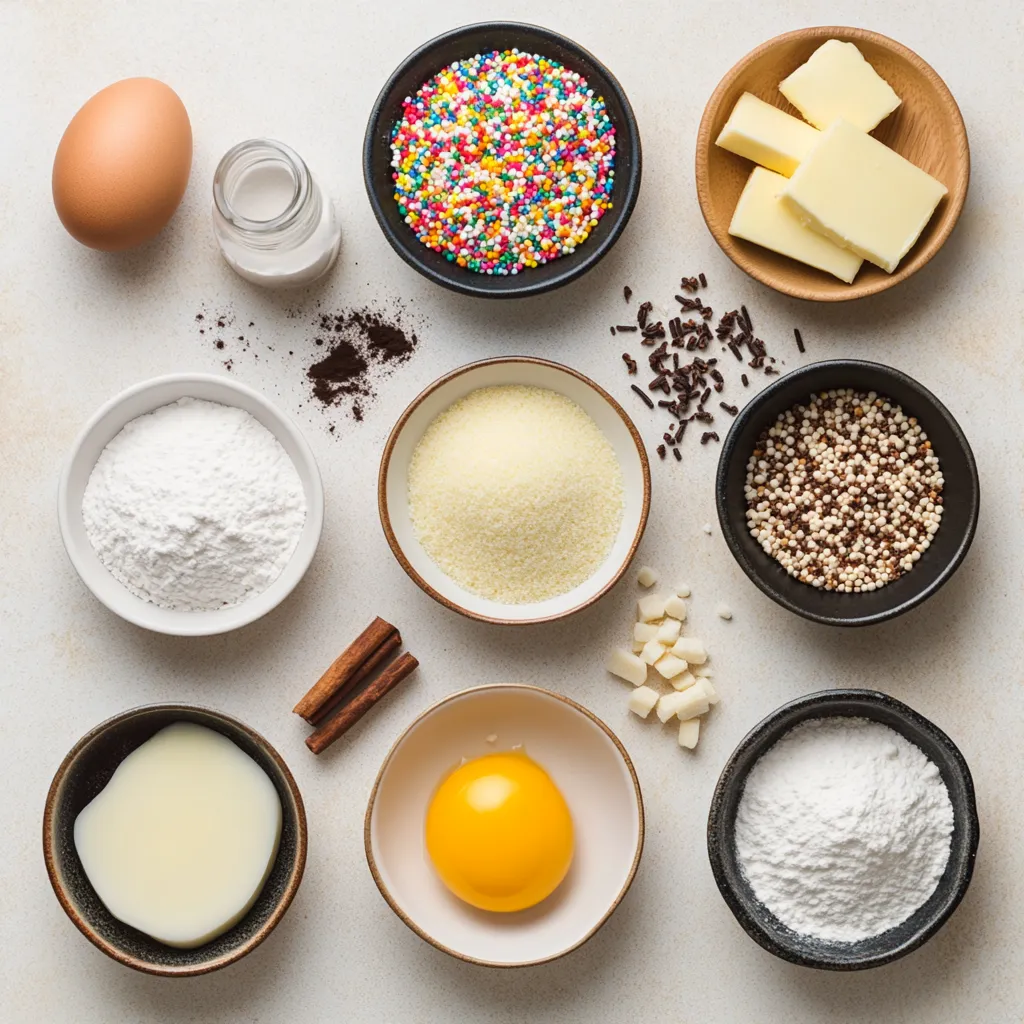
This recipe calls for a variety of ingredients that work harmoniously together to create the perfect sugar cookie.
Essential Ingredients
– All-purpose flour: Provides structure and stability to the cookies.
– Baking soda and baking powder: Key leavening agents that create a light, airy texture.
– Unsalted butter, softened to room temperature: Adds rich flavor and moisture for a tender cookie.
Sweeteners
– Granulated sugar: The primary sweetener in this recipe, contributing to the cookies’ sweetness and texture.
– Extra granulated sugar for rolling: Adds an extra layer of sweetness and a lovely finish to the outside of the cookies.
Flavor Enhancers
– Large egg, at room temperature: Binds the dough and adds richness and moisture.
– Pure vanilla extract: The key flavor component that lends a fragrant sweetness to the cookies.
– Almond extract (optional): Enhances the flavor profile, creating a more complex taste in every bite.
Seasoning
– Salt: Balances the sweetness and enhances the overall flavor of the cookies.
Optional Add-ins
– Colorful sprinkles or coarse sugar: For decorative flair that makes the cookies visually appealing.
Instructions
1. Preheat the Oven: Begin by preheating your oven to 350°F (175°C). Prepare two baking sheets by lining them with parchment paper for easy cleanup.
2. Mix the Dry Ingredients: In a medium-sized mixing bowl, combine the all-purpose flour, baking soda, baking powder, and salt. Use a whisk to ensure they are well blended, then set this mixture aside.
3. Cream the Butter and Sugar: In a large mixing bowl, use a hand mixer or a stand mixer fitted with a paddle attachment to beat the softened butter with 1 ½ cups of granulated sugar. Mix on medium speed until the mixture is light and fluffy, approximately 2-3 minutes.
4. Incorporate Egg and Extracts: Add the egg, pure vanilla extract, and almond extract (if using) to the butter and sugar mixture. Beat until everything is thoroughly combined and smooth.
5. Combine Wet and Dry Mixtures: Gradually add the dry ingredient mixture to the wet ingredients. Mix on low speed until just combined, being careful not to overmix. The cookie dough should be soft, slightly sticky, and easily moldable.
6. Chill the Dough: Cover the bowl with plastic wrap and refrigerate the dough for at least 30 minutes. Chilling helps the cookies retain their shape while baking and deepens the flavors.
7. Shape the Cookies: After chilling, use a cookie scoop or a tablespoon to measure out roughly 2 tablespoons of dough for each cookie. Roll each portion into a ball, then roll the balls in the reserved ½ cup of granulated sugar to coat them evenly.
8. Arrange on Baking Sheet: Place the sugar-coated cookie balls on the prepared baking sheets, ensuring there’s about 2 inches of space between each ball to allow for spreading. If desired, add a sprinkle of colorful sprinkles or coarse sugar on top for added flair.
9. Bake the Cookies: Bake the cookies in your preheated oven for 8-10 minutes, or until the edges are set while the centers remain soft. Remember that the cookies will continue to bake on the sheet after being removed from the oven.
10. Cool Down: Let the cookies cool on the baking sheets for approximately 5 minutes. Then, transfer them to wire racks to cool completely.
11. Savor the Delight: Once cooled, indulge in your delectable soft and chewy sugar cookies, perhaps paired with a glass of milk or your favorite beverage for the perfect treat!
Prep Time
Total time takes approximately 1 hour for preparation and baking, with a yield of 24 cookies.
Optional Presentation Tips
For a beautiful presentation, arrange the cookies on a decorative platter and add a few extra sprinkles or edible glitter around them for a cheerful display!
Prepping the Kitchen
Before diving into baking, preparing your kitchen is essential for a smooth workflow.
Equipment Needed
– Baking sheets: For baking the cookies.
– Parchment paper: To line the baking sheets for easy removal of the cookies.
– Mixing bowls: One large and one medium for mixing the cookie dough.
– Hand mixer or stand mixer: Essential for creaming the butter and sugar.
Workspace Organization
– Clear counter space: Ensure you have enough room for mixing and shaping the cookies.
– Gather all ingredients: This helps avoid interruptions and ensures you have everything ready at your fingertips.
Preheating the Oven
Setting your oven to 350°F (175°C) is critical as it ensures the cookies bake evenly. Preheating helps achieve the desired texture and doneness, preventing the cookies from spreading too much or remaining too doughy.
Mixing Dry Ingredients
Understanding the role of dry ingredients is crucial to cookie success.
Combining Dry Ingredients
Accurate measurement of the flour, baking soda, baking powder, and salt is essential in maintaining the right balance for the recipe. Using a whisk effectively integrates these components, which is critical for a well-risen, perfectly textured cookie.
Importance of Dry Ingredients
The dry ingredients serve as the foundation for the cookie dough, providing the necessary structure while also influencing the final texture. Flour provides the bulk, while baking soda and baking powder act as leavening agents, ensuring that the cookies rise properly during baking.
Creaming Butter and Sugar
The creaming method is fundamental in baking cookies.
Beating Technique
Using medium speed is ideal for creaming the softened butter and granulated sugar. This technique incorporates air into the mixture, leading to a lighter texture in the cookies. Properly creamed butter and sugar should result in a fluffy and pale mixture, which is key to achieving the signature softness and chewiness of the final product.
Aim for a Light and Fluffy Consistency
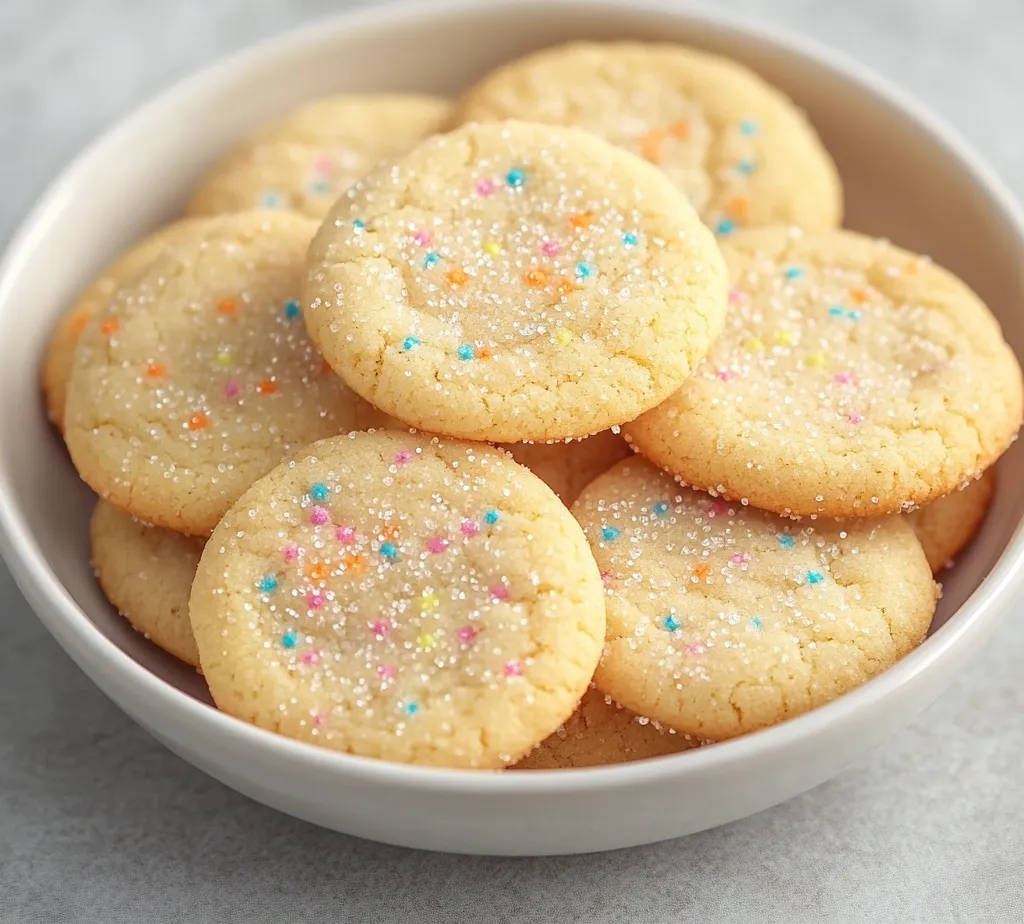
Achieving the right texture in your sugar cookies is essential to creating the perfect batch. The goal is to have cookies that are light and fluffy on the inside while maintaining a slight chewiness that melts in your mouth. Various factors come into play to ensure this desired consistency, particularly through the careful management of the mixing process and ingredients.
Role of Sugar
Granulated sugar plays a pivotal role in determining the texture and flavor of your sugar cookies. It not only sweetens but also contributes to the cookie’s structure. When creamed with butter, sugar incorporates air into the mixture, which aids in achieving that light and fluffy texture. The granules also work to tenderize the dough by interfering with gluten formation, allowing the cookies to remain soft. As the cookies bake, the sugar caramelizes slightly, imparting a delightful flavor while creating a crisp outer layer.
Incorporating Egg and Extracts
Flavor enhancement is a vital aspect that significantly affects the final result of the cookies. This step serves as the bridge between the fats (butter) and the solid ingredients, ensuring an even distribution of flavors.
Mixing Process
To properly incorporate the egg and extracts, add them gradually to avoid sudden temperature changes that could affect the mixture’s consistency. When you first introduce these wet ingredients, mix on medium speed until the combination is smooth and homogenous. This thorough mixing is crucial to prevent any lumps from forming, which can lead to unevenly baked cookies with a less enjoyable texture.
Flavor Profiles
When discussing flavor, pure vanilla extract serves as the backbone of the cookie’s taste profile. It adds depth and richness that enhances the overall flavor experience. Almond extract, while optional, introduces a layer of complexity and a pleasant nuttiness that can elevate the cookie beyond the classic sugar cookie flavor profile. When combined, these extracts create a sophisticated and delicious taste variety that is both comforting and indulgent.
Combining Mixtures
Achieving the right dough consistency is crucial in ensuring that your cookies bake beautifully. You want to create a dough that is not only easy to handle but also yields the desired soft and chewy texture.
Gradual Mixing
Adding the dry ingredients gradually prevents overmixing, which is essential. Overmixing can lead to the development of gluten, resulting in tougher cookies. As you combine the mixtures, stop mixing once you can see that the flour has just been incorporated, maintaining a dough that is soft, slightly sticky, and still moldable. This careful consideration ensures you will have a dough that can hold its shape after being scooped.
Tips for Handling Sticky Dough
If the dough is too sticky to handle easily, consider lightly dusting your hands with flour to prevent sticking. Another alternative is to handle the dough with cold hands, as warmth can further soften the butter and make the dough more difficult to manage. Forming rough balls before rolling them in sugar can also make the shaping process smoother.
Chilling the Dough
Chilling the dough is not just a suggestion but an essential practice that can drastically improve your cookie’s outcome.
Why Chill?
Chilling the dough allows the fats to solidify, which in turn helps the cookies retain their shape during baking. It also allows the flour to hydrate fully, which can enhance the flavor while promoting a desirable texture. The chilling process slows down gluten formation, reducing the risk of tough cookies.
Recommended Chilling Time
While the recipe suggests a minimum chilling time of 30 minutes, if time allows, consider refrigerating for up to one hour, or even overnight. Longer chilling times will produce more flavor development and improve the overall texture of the cookies.
Shaping the Cookies
Uniformity in shaping your cookies is a critical step in the baking process that will ensure even baking and a consistent size.
Using a Cookie Scoop
Using a cookie scoop can simplify the process of portioning out the dough, ensuring that each cookie is of the same size. This method leads to uniform baking, as all cookies will have similar dimensions and volume. If you do not have a scoop, a tablespoon can also work; just ensure to level it off for consistent cookie sizes.
Rolling in Sugar
Rolling each ball of dough in sugar not only adds sweetness but provides a sparkling exterior that encourages an appealing presentation. Gently rolling the dough balls in sugar before baking results in a pleasing texture and a gratifying crunch that contrasts beautifully with the soft center of the cookies.
Baking Process
The actual baking phase brings your cookie dough to life, transforming it into delicious cookies.
Baking Time and Temperature
Baking at the recommended temperature of 350°F (175°C) for 8-10 minutes is crucial. It allows the cookies to cook properly without over-baking. Keep a close watch; cookies are ready when the edges are set and lightly golden, with soft, puffy centers. Remember that they will continue to cook slightly off the sheet.
Managing Cookie Spread
To prevent your cookies from flattening excessively during baking, consider spacing them adequately on the baking sheets (about 2 inches apart). The chilling process also aids in managing how much the cookies spread, as colder dough tends to hold its shape better when baked.
Cooling the Cookies
Proper cooling is vital for texture and flavor development following baking.
Cooling Times
After removing the cookies from the oven, allow them to rest on the baking sheet for approximately 5 minutes. This time enables the structure to firm up before being moved. Following this initial cooling, transfer the cookies to wire racks, where they can cool completely.
Visual and Textural Cues
Visually, cookies should exhibit a slight sheen and a pale golden edge upon completion. The texture should feel soft to the touch, giving that inviting unter Cookie crumbling sensation when bitten into. Correct cooling is essential to achieve the ideal softness and flavor of the final product.
Optional Presentation Tips
Presentation can elevate the enjoyment of your cookies, especially for gatherings or special occasions.
Arranging Cookies Beautifully
For an attractive display, arrange the cookies on a decorative platter that suits the occasion. Layer them for depth, and consider incorporating parchment paper or festive liners to catch any crumbs for easy cleanup.
Adding Decorative Touches
Enhancing your cookies with additional sprinkles or edible glitter not only captures attention but also provides a delightful finish that adds to the festive atmosphere.
Conclusion
The ultimate soft and chewy sugar cookies deliver a harmonious balance of sweetness and delightful flavor. With their light and fluffy texture, they are perfect for pairing with your favorite beverage. Following the outlined techniques ensures a successful batch whether for everyday enjoyment or special occasions.

Ultimate Soft and Chewy Sugar Cookies Recipe
Ingredients
- 2 ¾ cups all-purpose flour
- 1 teaspoon baking soda
- ½ teaspoon baking powder
- 1 cup unsalted butter softened
- 1 ½ cups granulated sugar
- 1 large egg
- 1 teaspoon pure vanilla extract
- ½ teaspoon almond extract optional
- ¾ teaspoon salt
- ½ cup granulated sugar for rolling
- colorful sprinkles or coarse sugar optional
Instructions
- Preheat your oven to 350°F (175°C) and line two baking sheets with parchment paper.
- In a medium bowl, whisk together flour, baking soda, baking powder, and salt.
- In a large bowl, beat softened butter with 1 ½ cups of sugar until light and fluffy.
- Add the egg, vanilla extract, and almond extract to the butter mixture and mix until smooth.
- Gradually add the dry ingredients to the wet ingredients, mixing on low speed until just combined.
- Cover the dough with plastic wrap and refrigerate for at least 30 minutes.
- Scoop out 2 tablespoons of dough for each cookie, roll into balls, and coat in sugar.
- Place the cookie balls on the baking sheets with 2 inches of space between them.
- Bake for 8-10 minutes until edges are set and centers are soft.
- Cool on baking sheets for 5 minutes before transferring to wire racks to cool completely.