
Introduction
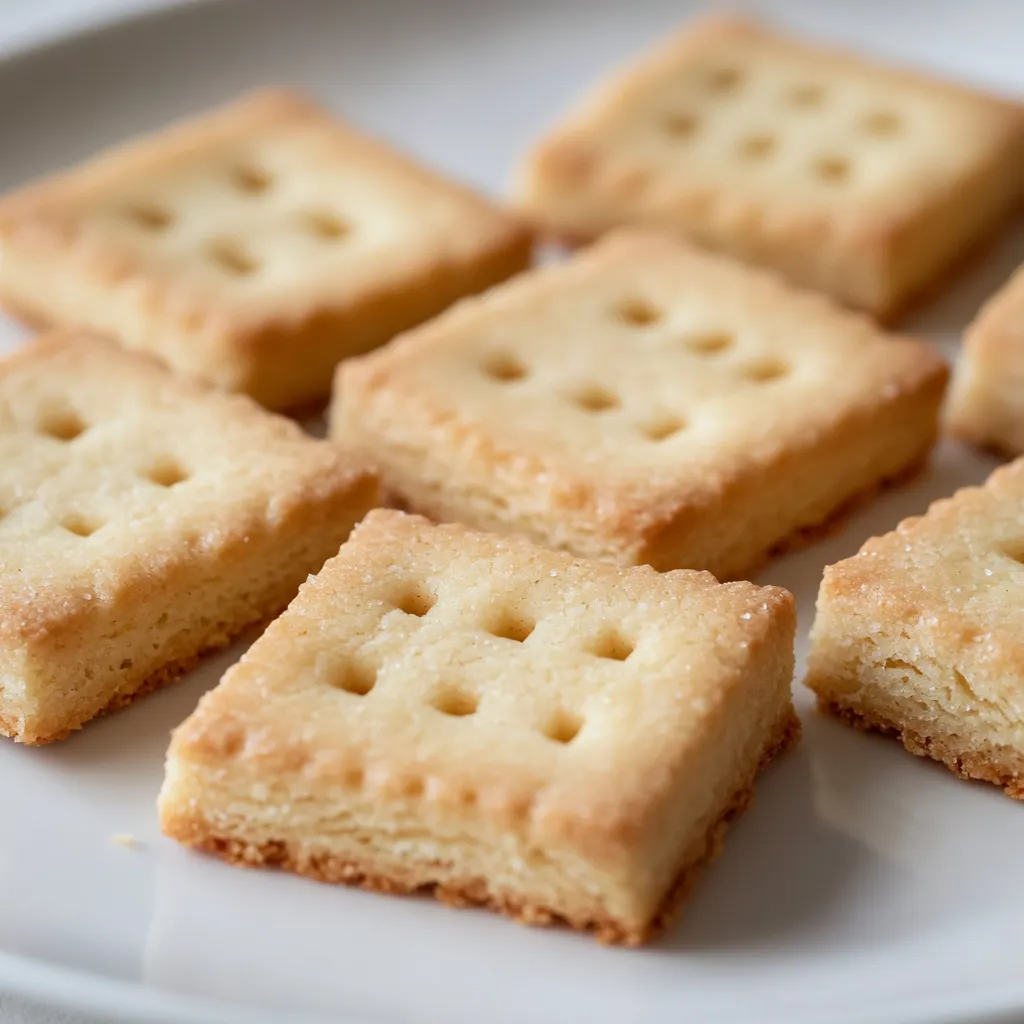
The joy of baking traditional recipes can transport us to a different place and time, and few treats encapsulate this experience as well as classic Scottish shortbread cookies. Known for their crumbly texture and buttery richness, these cookies are a true testament to the simplicity and elegance of traditional Scottish baking. They carry with them a rich history and have been enjoyed for centuries, often served on special occasions or during festive gatherings. Whether you’re looking for a delightful treat to pair with afternoon tea or something to share during the holidays, these homemade cookies are sure to please.
The delightful flavor of Scottish shortbread cookies is achieved through a careful balance of high-quality ingredients, primarily butter, sugar, and flour. The incorporation of cornstarch adds a unique touch, resulting in a cookie that simply melts in your mouth. With minimal ingredients and straightforward techniques, these cookies encapsulate the heart of homemade baking, and their intoxicating aroma will fill your kitchen, creating an inviting atmosphere for family and guests alike.
In this article, we will explore the nuances of crafting these delightful cookies, perfect for any occasion. Whether you choose to indulge yourself or share with loved ones, the rich and buttery nature of these shortbread cookies makes them an irresistible treat.
Recipe Overview
This section provides a concise overview of what to expect when making Scottish shortbread cookies. From the texture to the flavor profile and preparation time, here we delve into the deliciousness that awaits you.
– Total Time: 30 minutes
– Prep Time: 15 minutes
– Cook Time: 12-15 minutes
– Servings: 24 cookies
– Difficulty: Not specified in the recipe
Flavor Profile
Shortbread cookies are subtly sweet with a rich buttery flavor, making them a perfect companion to tea or coffee. The addition of powdered sugar ensures a delicate sweetness that complements the buttery base. The optional vanilla extract adds an extra layer of warmth and depth to the flavor, elevating these classic cookies to even greater heights. Whether enjoyed plain or adorned with a light dusting of powdered sugar, these cookies make a delightful treat for any palate.
Texture
The texture of traditional shortbread is crumbly and melt-in-your-mouth tender, achieved through the careful balance of butter and flour. The high-fat content from the unsalted butter contributes to that classic shortbread experience, while the addition of cornstarch helps to maintain a soft and delicate crumb. These cookies are designed to melt in your mouth, creating a satisfying and luxurious bite that beckons you for just one more. This characteristic also makes them perfect for dunking, enhancing the overall experience with a warm cup of tea or coffee.
Preparation and Cooking Time
– Preparation Time: 15 minutes
– Cooking Time: 12-15 minutes
– Total Time: 30 minutes
Ingredients
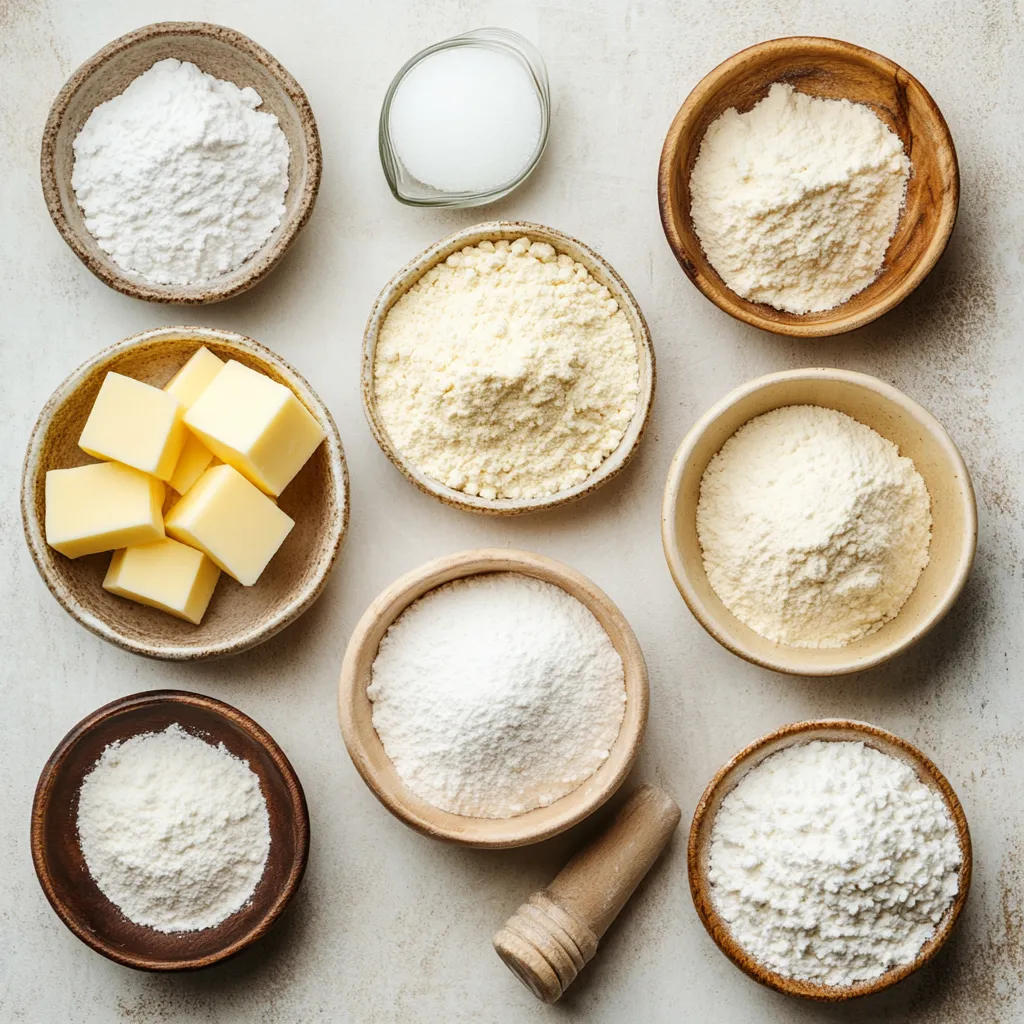
An essential component of any recipe, this section lists all the ingredients needed to create these delightful cookies, ensuring alignment with traditional methods:
– 1 cup (226g) unsalted butter, softened to room temperature
– 1/2 cup (60g) powdered sugar
– 2 cups (240g) all-purpose flour
– 1/4 cup (30g) cornstarch
– 1/4 teaspoon fine sea salt
– 1 teaspoon vanilla extract (optional for added flavor)
Unsalted Butter
The foundation of this recipe, softened unsalted butter, provides a rich and creamy base for the dough. It’s important that the butter is at room temperature to ensure that it creams properly with the sugar, leading to a light and airy texture.
Powdered Sugar
Powdered sugar gives the cookies their sweet taste while allowing for a smooth blending into the butter. Its fine texture helps to create a delicate crumb that is characteristic of traditional shortbread.
All-Purpose Flour
This versatile ingredient gives structure to the cookies, contributing to their crumbly texture. The all-purpose flour works in tandem with the cornstarch to achieve the perfect balance for shortbread cookies.
Cornstarch
Cornstarch plays a crucial role in achieving the perfect shortbread texture, making it softer and more delicate. This ingredient is key to creating that melt-in-your-mouth quality that makes these cookies so special.
Fine Sea Salt
A small amount of fine sea salt enhances the overall flavor, balancing the sweetness. It brings out the richness of the butter, ensuring that the cookies are flavorful without being overly sweet.
Vanilla Extract
An optional ingredient that adds a touch of warmth and depth to the flavor profile, vanilla extract can be stirred into the dough for those who want to enhance the flavor of their shortbread cookies.
Instructions
This section details the step-by-step instructions for creating the perfect Scottish shortbread cookies from scratch.
1. Begin by preheating your oven to 350°F (175°C). Prepare a baking sheet by lining it with parchment paper to prevent sticking.
2. In a large mixing bowl, use an electric mixer or a whisk to cream the softened butter and powdered sugar together until the mixture is light, fluffy, and pale in color.
3. Gradually sift in the all-purpose flour, cornstarch, and salt. Gently mix with a spatula or wooden spoon until the dough comes together. If desired, stir in the vanilla extract to enhance the flavor.
4. Once combined, gather the dough into a ball and transfer it to a lightly floured surface. Roll the dough out to a thickness of about 1/2 inch, ensuring an even thickness for uniform baking.
5. Use cookie cutters or a sharp knife to cut the dough into your preferred shapes. For a classic touch, you can also use a fork to create decorative pricks on the surface of each cookie.
6. Carefully place the cut-out shortbread onto the prepared baking sheet, ensuring there is enough space between each piece for even baking.
7. Bake in the preheated oven for 12-15 minutes, or until the edges take on a light golden hue. Keep a close watch to prevent over-baking, as shortbread should remain tender.
8. Once baked, remove from the oven and allow the shortbread to cool on the baking sheet for a few minutes before transferring them to a wire rack to cool completely.
9. Once fully cooled, indulge in your delightful shortbread cookies paired with a steaming cup of tea or coffee for a truly enjoyable treat!
Preheat the Oven
Begin by preheating your oven to 350°F (175°C). This ensures that the cookies bake evenly. Starting with a properly preheated oven is crucial for achieving the desired texture and preventing uneven baking.
Creaming the Butter and Sugar
In a mixing bowl, use an electric mixer or a whisk to cream the softened butter and powdered sugar until light, fluffy, and pale in color. This step is essential as it introduces air into the mixture, contributing to the cookies’ light and tender crumb.
Mixing Dry Ingredients
Gradually sift in the all-purpose flour, cornstarch, and fine sea salt. Mix gently with a spatula until the dough comes together. Take care not to overmix, as this could lead to a denser cookie.
Incorporating Flavor Enhancements
If desired, stir in the vanilla extract at this stage for added flavor, enhancing the overall taste and making your cookies even more enjoyable.
(Continued in Part 2)
Careful Handling of the Dough
Proper handling of the dough is crucial to achieving shortbread cookies that are consistent in thickness and texture. Overworking the dough can lead to tough cookies, so it is essential to mix just until the ingredients are combined.
Preparation of Work Surface
Begin the process by preparing your work surface. Lightly dust the area with flour to prevent sticking during the rolling process. This is especially important as shortbread dough tends to be quite buttery and may adhere to the counter without proper flouring.
Achieving the Right Thickness
When rolling out the dough to about 1/2 inch thick, use a rolling pin with even pressure to ensure uniform thickness. This thickness provides the right balance during baking, yielding a cookie that is both tender and crumbly.
Shaping the Cookies
The shaping of your cookies not only contributes to aesthetics but can also influence how they bake.
Using Cookie Cutters
Employing cookie cutters allows for a fun and personalized presentation of your shortbread cookies. Choose cutters that reflect the occasion or your personal style—hearts for Valentine’s Day, stars for holidays, or classic rounds for a traditional look. When using cookie cutters, be sure to flour the utensil lightly to prevent sticking.
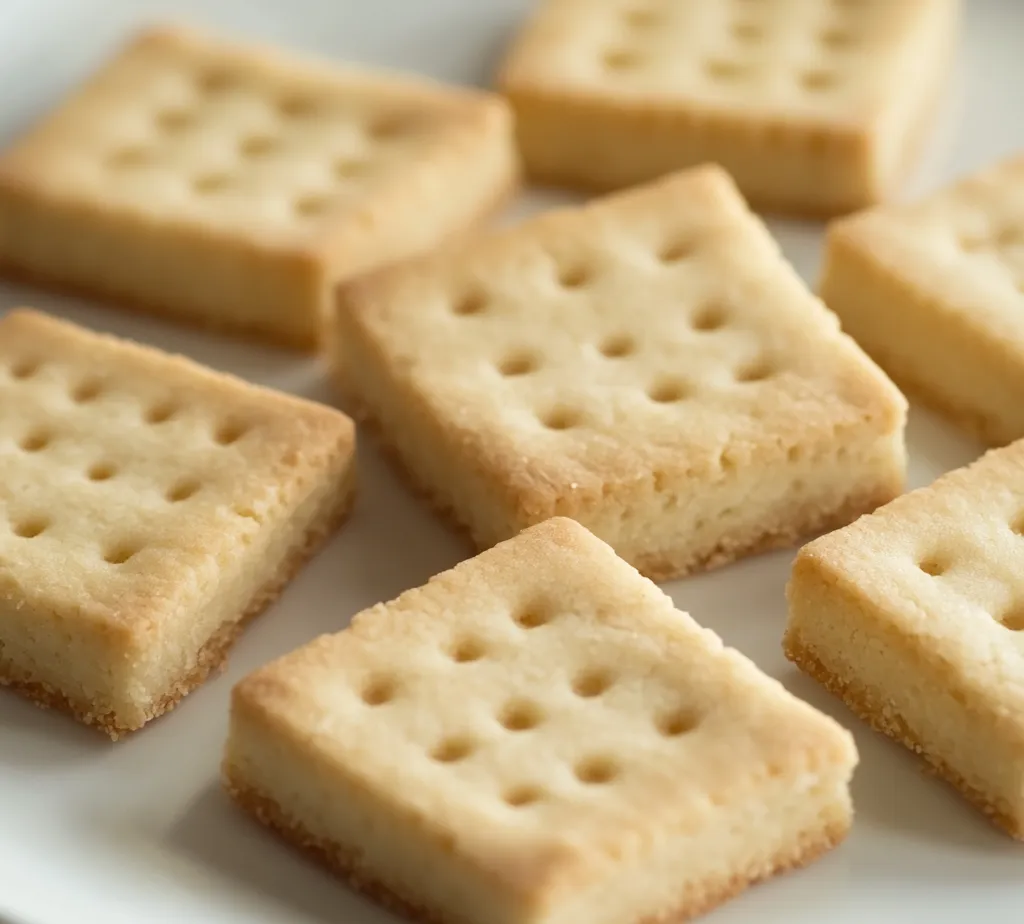
Traditional Pricking Technique
For a classic finish, utilize a fork to create decorative pricks on the surface of each cookie. This not only adds visual appeal but helps the cookies to bake evenly. The pricks serve as vent holes, allowing steam to escape during baking, preventing any puffiness in the cookies.
Preparing for Baking
Proper preparation before baking enhances the quality of the finished cookies.
Placing Cookies on Baking Sheet
Carefully transfer the cut-out cookies onto the prepared baking sheet. Ensure ample space between each cookie, typically about 1 inch apart. This allows heat to circulate around each cookie and promotes even baking.
Importance of Adequate Spacing
Adequate spacing is crucial. If the cookies are placed too closely together, they may spread and merge during baking, resulting in uneven shapes. Proper airflow around each cookie contributes to the crisp edges and delicate crumb characteristic of well-baked shortbread.
Baking the Cookies
The baking phase is where the magic happens, turning your dough into delightful cookies.
Timing and Observation
Bake the cookies in the preheated oven for 12-15 minutes, with careful observation during the last few minutes. The key is to look for a light golden hue on the edges rather than a deep color. Each oven is different, so keep a close eye on your cookies to ensure they do not over-bake.
Understanding Doneness
Shortbread cookies should retain their tenderness. A light golden hue indicates they are ready; if they appear too dark, they might have lost some of their delicate texture. Remember, the cookies will continue to cook slightly after being removed from the oven due to residual heat.
Cooling and Serving
Cooling the cookies correctly is critical for perfect texture and flavor.
Cooling on Baking Sheet
Once out of the oven, let the cookies cool on the baking sheet for a few minutes. This brief resting period allows them to set and reduces the risk of breaking when transferring them.
Transferring to Wire Rack
After a few minutes, gently move the cookies using a spatula to a wire rack. Allow them to cool completely. This step is vital for achieving the signature crispy texture of shortbread, as it allows air to circulate around the cookies, preventing sogginess.
Presentation Tips
An attractive presentation can elevate your shortbread experience.
Serving Suggestions
Pair these delightful cookies with a steaming cup of tea or coffee. The rich buttery flavor of the shortbread complements the warmth of your beverage beautifully, making them a perfect festive treat or everyday snack.
Decorative Ideas
Consider displaying the cooled cookies on a decorative plate or tiered stand to inspire indulgence. A light dusting of powdered sugar can add a touch of elegance and visual appeal. For added color, serve with a side of fresh berries, enhancing both the presentation and flavor balance.
Scaling
This traditional recipe yields approximately 24 cookies; however, scaling up or down is simple. If you wish to double the recipe for larger gatherings, ensure to use appropriately sized mixing bowls and baking sheets. Conversely, if you want fewer cookies, halving the recipe will also work well. Just be mindful of baking times; smaller batches may require slightly less time in the oven.
Storage
To keep your shortbread cookies fresh, store them in an airtight container at room temperature. This method keeps them crisp and delicious for up to a week. For longer storage, consider freezing the cookies. Place them in a single layer in an airtight container, separating layers with parchment paper. They will maintain their quality for up to three months in the freezer.
Reheating
If you prefer warm cookies, you can gently reheat them in a preheated oven at 300°F (150°C) for about 5-10 minutes, until they are warm but not too soft. Refrain from using the microwave, as it can lead to a chewy texture rather than the desired crispness.
Troubleshooting
If your cookies come out too crumbly, it could be a result of overmixing or not using enough butter. Shortbread should hold together but crumble delightfully when bitten into. If they are too tough, ensure you are careful not to overwork the dough.
If they spread too much in the oven, consider chilling the dough for 30 minutes before rolling. This will firm it up, helping the cookies maintain their shape during baking.
FAQs
Can I substitute the butter in this recipe?
Not specified in the recipe. However, substituting butter may alter the traditional flavor and texture expected in shortbread.
Is it necessary to use powdered sugar?
Powdered sugar gives the cookies a finer texture, but granulated sugar can be substituted if needed. Just whisk it well to avoid grittiness.
Can I add flavors or extracts?
Yes, additional flavorings can be incorporated. Vanilla extract is suggested, but other flavors like almond or lemon zest can also enhance the cookies.
How do I know when shortbread cookies are done?
Perfectly baked shortbread cookies will have a light golden edge. They should not be hard or overly dark.
These traditional Scottish shortbread cookies present a rich buttery flavor balanced with a tender crumbly texture that makes them timeless. With just 15 minutes of preparation, enjoying this delightful treat is only moments away.
Delightful Traditional Scottish Shortbread Cookies
Ingredients
- 1 cup unsalted butter softened
- ½ cup powdered sugar
- 2 cups all-purpose flour
- ¼ cup cornstarch
- ¼ teaspoon fine sea salt
- 1 teaspoon vanilla extract optional
Instructions
- Preheat your oven to 350°F (175°C) and line a baking sheet with parchment paper.
- Cream the softened butter and powdered sugar together until light and fluffy.
- Sift in the flour, cornstarch, and salt, mixing gently until the dough comes together.
- Gather the dough into a ball and roll it out to a thickness of about ½ inch.
- Cut the dough into shapes using cookie cutters or a knife.
- Place the cut-out cookies on the prepared baking sheet with space between them.
- Bake for 12-15 minutes until the edges are lightly golden.
- Allow the cookies to cool on the baking sheet for a few minutes before transferring to a wire rack.
- Enjoy your shortbread cookies with tea or coffee.