
Introduction
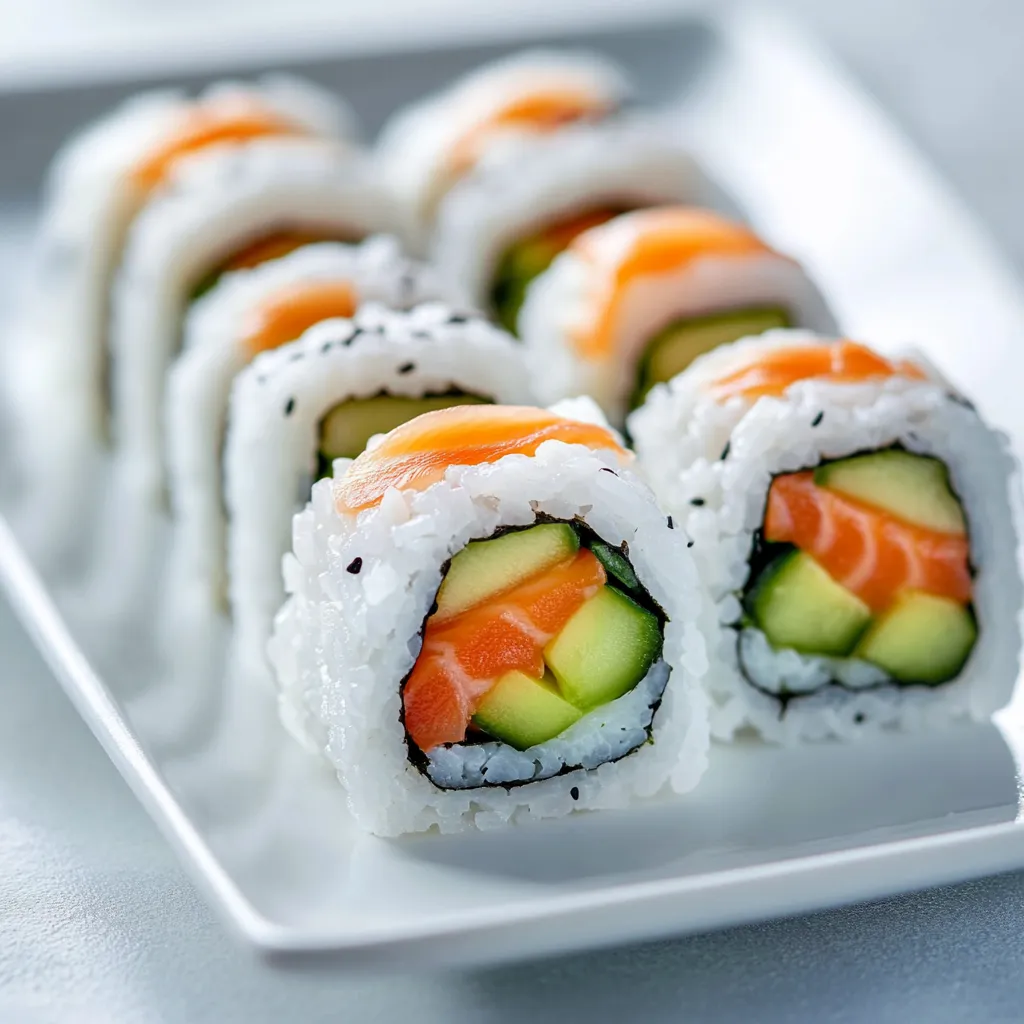
Sushi-making is more than just a meal; it’s a beautiful culinary tradition deeply rooted in Japanese culture. Originating from a method of preserving fish in fermented rice, sushi has evolved over centuries into a globally adored dish. Creating sushi at home allows you to appreciate this art while enjoying the process of combination and assembly, transforming fresh ingredients into a delightful, visually appealing feast.
Homemade sushi provides an opportunity to experiment with flavors and textures, allowing you to craft a unique dish that suits your taste preferences. Each roll, or maki, combines vinegared sushi rice with nori and an array of fillings ranging from fresh fish to crunchy vegetables. The combinations are endless, and the satisfaction of enjoying your customized roll is simply unparalleled.
In this recipe, we focus on sushi rolls made with fresh, high-quality ingredients including sushi-grade fish, creamy avocado, and crisp cucumber, all wrapped in perfectly seasoned sushi rice and nori. Whether you’re planning a casual dinner with friends or a special night in, these sushi rolls will certainly impress.
Recipe Overview
– Total Time: 50 minutes
– Prep Time: 20 minutes
– Servings: 4
– Difficulty: Not specified in the recipe.
The ingredients used in this sushi delight are not only delicious but also healthful. Sushi rice provides a nutritious base, while the fresh vegetables and sushi-grade fish supply essential omega-3 fatty acids, fiber, and a range of vitamins. This makes sushi an appealing choice for a healthy meal option that does not compromise on taste.
Ingredients
– 2 cups sushi rice
– 2 1/2 cups water
– 1/4 cup rice vinegar
– 2 tablespoons sugar
– 1 teaspoon salt
– 4 sheets of nori (seaweed)
– 1 cucumber, cut into thin matchsticks
– 1 ripe avocado, sliced into strips
– 1/2 pound fresh sushi-grade fish (such as salmon or tuna), thinly sliced
– Soy sauce, for dipping
– Wasabi and pickled ginger, for garnish
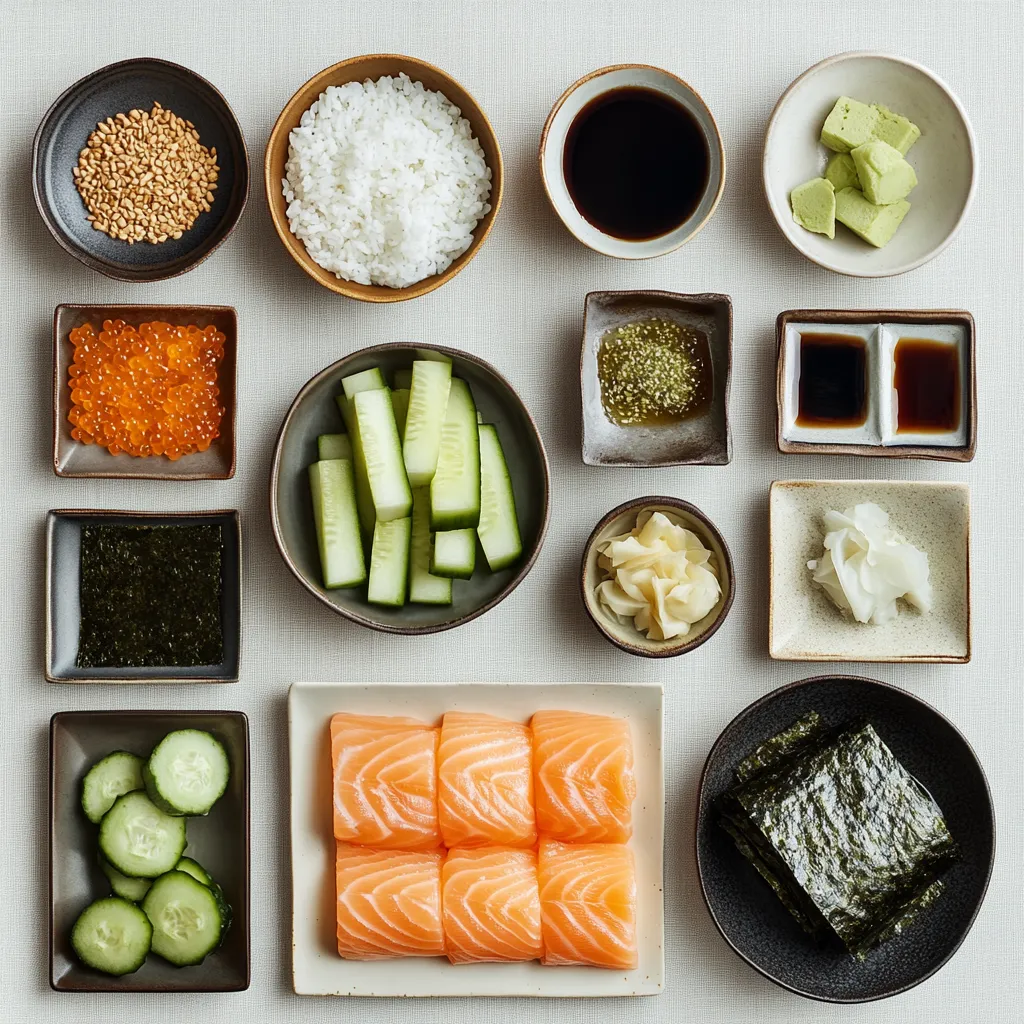
In sushi making, each ingredient has a specific role. Sushi rice is the foundation, providing a sticky texture that holds the roll together. Rice vinegar is used to season the rice, adding a delicate tanginess that complements the fillings. The nori serves as the outer layer, enveloping the fillings and adding a slightly salty taste. Avocado lends creaminess and richness, while cucumber offers a refreshing crunch. Finally, the fresh sushi-grade fish ties everything together with its distinctive flavor, making every bite of sushi a joy. Optional garnishes like wasabi and pickled ginger add extra zing and help cleanse the palate between rolls.
Essential Equipment
To create your sushi rolls successfully, you’ll need a few essential tools:
– Bamboo Sushi Mat: This is the most important tool for rolling your sushi. It helps you to tightly and evenly roll the nori, ensuring that all fillings are secured inside. Make sure your mat is clean, and if possible, keep it covered with plastic wrap to prevent sticking during the rolling process.
– Fine Mesh Strainer: Rinsing the sushi rice is a crucial step. A fine mesh strainer allows you to thoroughly rinse the rice without losing any grains, ensuring you remove excess starch for optimal texture.
– Sharp Knife: A sharp knife is essential when it comes to slicing your finished sushi rolls. Dull knives can crush the roll, leading to poorly shaped pieces. To achieve clean cuts, wipe the knife with a damp cloth between each slice, preventing the rice from sticking.
Preparing the Sushi Rice
Rinsing the rice is not merely a preparatory step but a vital part of making perfect sushi. Start by placing the sushi rice in a fine mesh strainer and rinsing it under cold water. Continue rinsing until the water runs clear, which can take a few minutes. This process removes excess starch that, if left, could cause the rice to become gummy when cooked. Once rinsed, make sure to drain the rice well to eliminate any lingering water.
Next, the cooking process begins. In a medium saucepan, combine the rinsed sushi rice with 2 1/2 cups of water. Bring this mixture to a boil over medium heat. As soon as it reaches a boil, reduce the heat to low and cover the pan. Allow the rice to simmer for approximately 20 minutes. It’s essential to avoid lifting the lid during cooking, as this can allow steam to escape. After the time has elapsed, the rice should be tender, and all the water should have been absorbed.
Creating the seasoning for the sushi rice is the next step. In a small saucepan, combine the rice vinegar, sugar, and salt. Heat this mixture over low heat, stirring until both the sugar and salt have dissolved completely. After this step, remove the mixture from the heat and allow it to cool. As the rice finishes cooking, you’ll be ready to flavor it properly.
Once the rice has finished cooking, transfer it to a large bowl. Carefully fold in the cooled vinegar mixture, ensuring that the rice is evenly coated. This step is crucial because it adds flavor to the rice while maintaining its individual grains. Allow the rice to cool to room temperature before proceeding to assemble the rolls. Properly prepared sushi rice contributes significantly to the overall success of your sushi rolls, so pay attention during this process.
The rolling technique: Step-by-step guide for beginners
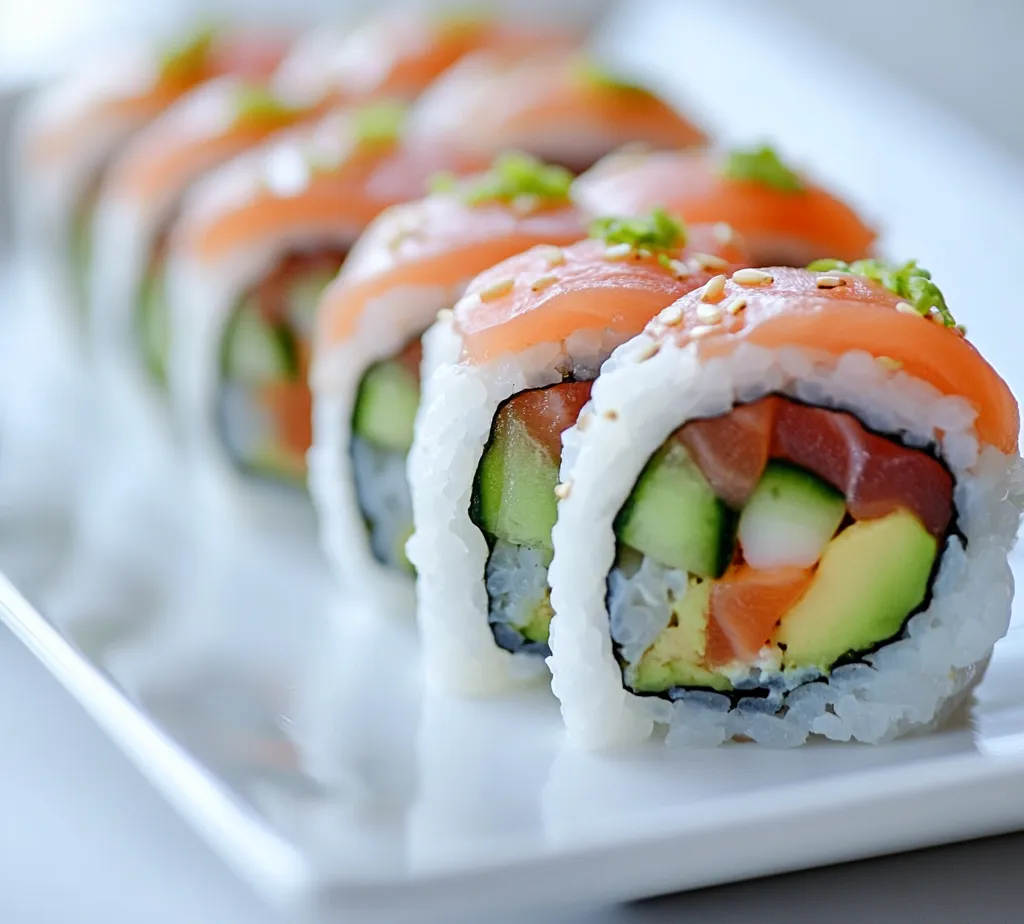
Rolling sushi can seem challenging at first, but with practice, it becomes second nature. Here’s a step-by-step guide to ensure your sushi rolls are beautifully crafted:
– Start by laying your sushi mat on a flat surface. Place a sheet of nori shiny side down.
– Wet your hands and grab a handful of the cooled sushi rice. Spread the rice evenly over the nori while leaving a 1-inch border at the top edge uncoated. This will help seal the roll later.
– Make sure the rice is spread in a thin, even layer. You can use your fingers to gently pat the rice into place.
– Next, place your desired fillings (like cucumber, avocado, and fish) in a neat line across the bottom of the rice-covered nori.
– Carefully lift the edge of the mat closest to you and begin to roll it away from yourself. Press gently but firmly to keep the fillings in place.
– As you approach the bare edge of the nori, wet it with a little water to help seal the roll.
– Continue rolling until the entire sheet is rolled up. Use the sushi mat to shape the roll, tightening it slightly for a more compact sushi roll.
Patience and gentle pressure are key. Don’t rush the process; it’s more about technique than speed.
Cutting the Sushi Rolls
After rolling your sushi, the next step is cutting it into bite-sized pieces. Here are best practices to ensure your slices are clean and aesthetically pleasing:
– Use a sharp, non-serrated knife. A sharp knife will provide a clean cut without squishing or ripping the roll.
– Before you make the first cut, dampen the blade of your knife with a little water. This will help the knife glide through the rice and nori instead of sticking.
– Make the first cut in the middle of the roll, then cut each half into thirds or quarters, depending on your desired size.
– Try and cut swiftly in a single motion rather than dragging the knife back and forth.
The importance of using a damp knife cannot be overstated; this simple step keeps the roll intact and looking pristine. Techniques for achieving clean, even slices include cutting through the roll using a swift downward motion, rather than pressing down too hard, which can destroy the structure of the roll.
Serving Suggestions
Presentation is key when serving sushi rolls. Here are some ideas to elevate your sushi experience:
– Arrange the sushi rolls on a decorative platter with space between each roll to highlight their colors and textures.
– Garnish the plate with small dollops of wasabi and piles of pickled ginger for an added splash of color and flavor contrast.
– Sprinkling sesame seeds or finely chopped green onions atop the rolls not only enhances the visual appeal but also provides added crunch and flavor.
Pairing your sushi with dipping sauces enhances the dining experience. Soy sauce is a classic choice, but you can experiment by serving with spicy mayo or ponzu sauce to bring out different flavor dimensions. Consider offering a side of edamame and a refreshing salad to complement your sushi spread.
Exploring garnish options to elevate the dish can include edible flowers, microgreens, or even colorful radish slices for an artistic touch.
Variations on the Recipe
One of the joys of sushi-making is the versatility it offers. Here are some alternative fillings you can experiment with:
– For a classic California roll, consider using imitation crab, avocado, and cucumber.
– For a spicy kick, add sliced jalapeños or a drizzle of sriracha on top of your fish.
– Try making a tempura vegetable roll with fried sweet potato or zucchini tempura for a crunchy texture.
Vegetarian options for sushi-making could incorporate sliced bell peppers, carrots, and different varieties of mushrooms. Additionally, marinated tofu can be an excellent protein alternative that fits within plant-based diets.
Suggestions for customizing sushi to personal preferences include experimenting with different sauces and spices. You can also make a sweet dessert sushi roll using fruits like mango and strawberries with a drizzle of honey for a fun twist.
Storage and Leftovers
Storing sushi properly is essential to maintain its freshness. Here are the best practices for storage:
– If you have leftovers, wrap each sushi roll tightly in plastic wrap to prevent it from drying out. Alternatively, you can store it in an airtight container in the refrigerator.
– Sushi is best consumed the same day it’s prepared. If stored properly, it may last in the refrigerator for up to 24 hours, but be cautious about the freshness of the fish if using sushi-grade protein.
– Avoid reheating sushi rolls, as altering the temperature can change the texture of the rice and the raw fish risks losing its quality. If necessary, you can refresh the rolls by allowing them to come to room temperature before serving.
Recommendations for safe consumption timing indicate that sushi with fish should be eaten as soon as possible after preparation due to the potential for bacteria growth in raw seafood.
Nutritional Value of Sushi Rolls
Sushi offers an array of nutritional benefits. Let’s analyze the overall health advantages of sushi:
– Sushi rolls made with sushi rice and fresh fish are good sources of protein and carbohydrates. Brown rice can also be used for additional fiber.
– Most sushi rolls contain fresh veggies like cucumber and avocado, adding vitamins and healthy fats, especially when avocado is included.
– The caloric content can vary significantly depending on the fillings and sauces. A basic sushi roll typically ranges from 200 to 300 calories.
When comparing homemade sushi to store-bought options, homemade sushi tends to be healthier. You can control the portion sizes, ingredients, and avoid excessive sodium commonly found in pre-packaged sushi.
Conclusion
Sushi Rolls Delight combines fresh ingredients, a variety of textures, and satisfying flavors for a culinary masterpiece. With a perfect balance of tender sushi rice and fresh fillings, the rolls create a delightful experience that’s both enjoyable to make and eat. The total preparation and cooking time of 50 minutes is well worth the delicious outcome.

Sushi Rolls Delight: An Easy Homemade Sushi Recipe
Ingredients
- 2 cups sushi rice
- 2 ½ cups water
- ¼ cup rice vinegar
- 2 tablespoons sugar
- 1 teaspoon salt
- 4 sheets nori seaweed
- 1 cucumber cut into thin matchsticks
- 1 ripe avocado sliced into strips
- ½ pound fresh sushi-grade fish such as salmon or tuna, thinly sliced
- Soy sauce for dipping
- Wasabi and pickled ginger for garnish
Instructions
- Rinse sushi rice under cold water until water runs clear, then drain well.
- Combine rinsed rice with 2 ½ cups water in a saucepan, bring to boil, then simmer for 20 minutes until tender.
- In a small saucepan, heat rice vinegar, sugar, and salt over low heat until dissolved, then cool.
- Transfer cooked rice to a bowl and gently fold in the cooled vinegar mixture, allowing it to cool to room temperature.
- Lay a sheet of nori on a bamboo sushi mat, shiny-side down.
- Wet hands and spread sushi rice evenly over nori, leaving a 1-inch border at the top.
- Place cucumber, avocado, and fish along the bottom edge of the rice-covered nori.
- Roll the nori tightly using the sushi mat, applying gentle pressure.
- Slice the roll into 6-8 pieces with a sharp knife, wiping the knife between cuts.
- Repeat with remaining ingredients and serve with soy sauce, wasabi, and pickled ginger.