
Introduction
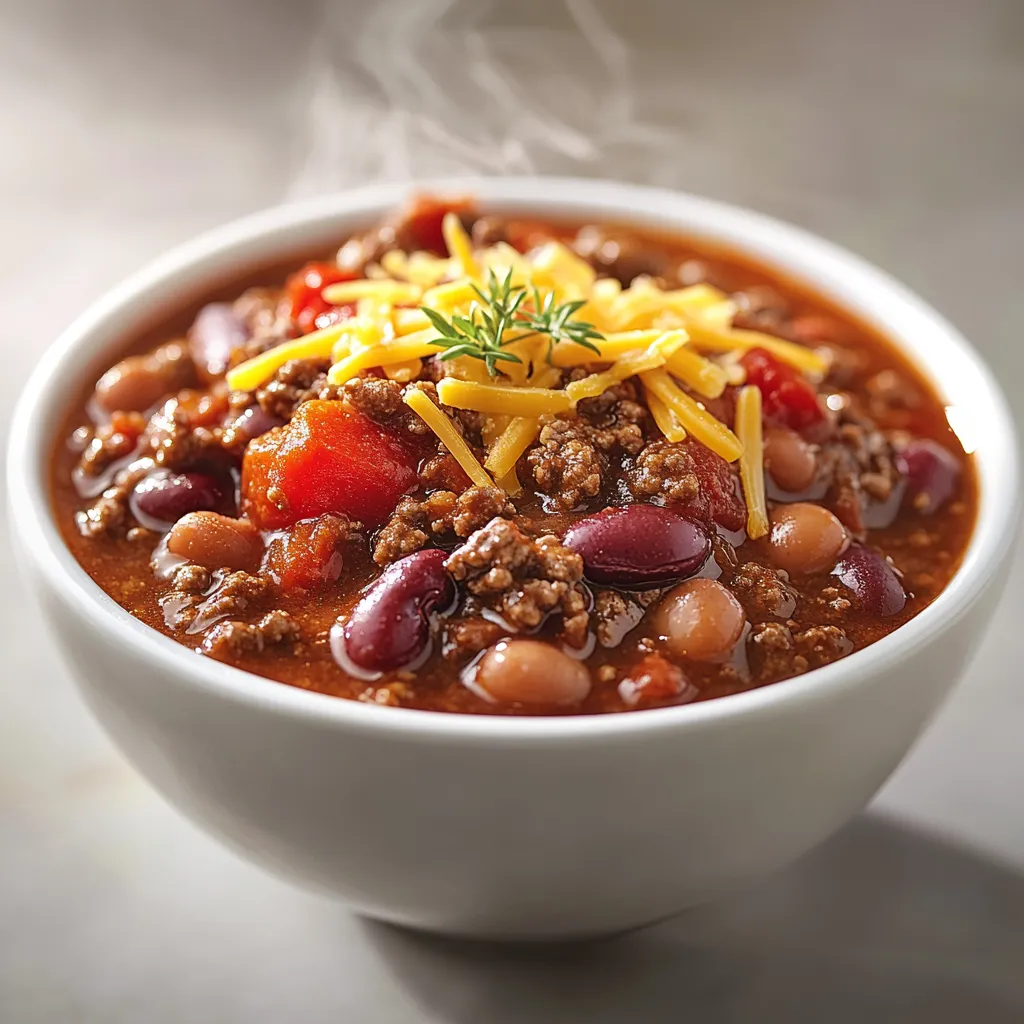
The heartwarming aroma of a simmering pot of chili is enough to evoke feelings of comfort and nostalgia. This stovetop chili is a classic American dish that combines savory ground beef with rich spices and hearty beans, creating a comforting main course that’s perfect for family dinners or gatherings. With its bold flavors and customizable toppings, this chili is sure to become a favorite.
Chili is not merely a dish; it’s an experience. The anticipation builds as the ingredients meld together, infusing your kitchen with a rich, savory scent. Each spoonful delivers warmth, making it an excellent choice for chilly evenings or casual get-togethers with friends. Plus, it’s incredibly versatile, allowing for an array of toppings to cater to everyone’s tastes.
This easy stovetop chili recipe is a straightforward approach to preparing a wholesome meal that requires minimal prep and can be ready in just over half an hour. As you cook, the savory notes of garlic and onion blend harmoniously with the spices, setting the stage for what is sure to be a satisfying dish.
Recipe Overview
– Prep Time: 10 minutes
– Cook Time: 30 minutes
– Total Time: 40 minutes
– Course: Main Course
– Cuisine: American
– Servings: 4
– Calories: Approximately 450 per serving
Ingredients
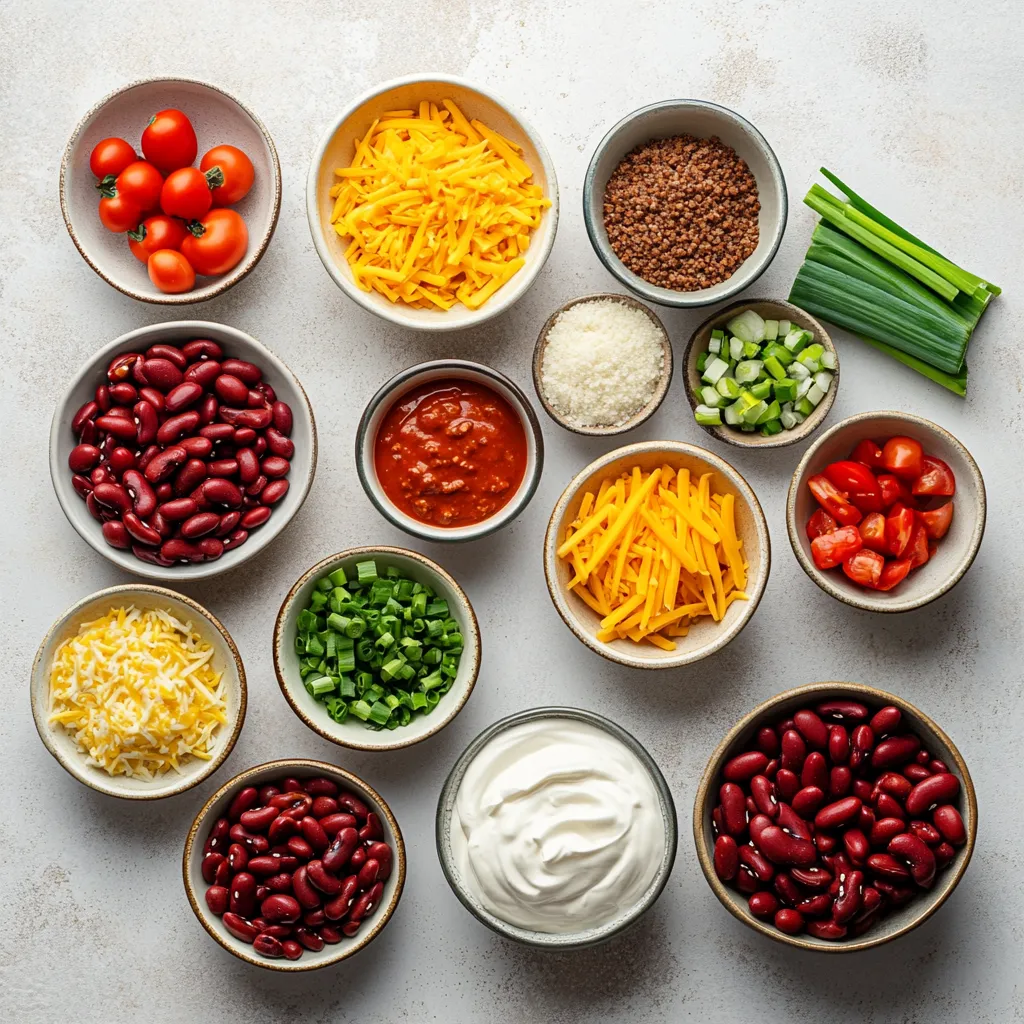
– 1 pound ground beef
– 1 can (15 oz) kidney beans, drained and rinsed
– 1 can (14.5 oz) diced tomatoes, with juices
– 1 small onion, finely chopped
– 2 cloves garlic, minced
– 2 tablespoons chili powder
– 1 teaspoon ground cumin
– 1 teaspoon salt
– 1/2 teaspoon freshly ground black pepper
– 1 cup beef broth (or water for a lighter option)
– Optional toppings: shredded cheese, sour cream, sliced green onions, or avocado
Instructions
1. In a large pot or skillet, begin by browning the ground beef over medium heat. Use a wooden spoon to break it apart as it cooks until it is no longer pink, about 5-7 minutes. Drain any excess fat from the pot.
2. Add the finely chopped onion and minced garlic to the pot. Sauté for about 3-4 minutes until the onion becomes soft and translucent, stirring occasionally to prevent burning.
3. Sprinkle in the chili powder, ground cumin, salt, and black pepper. Cook for an additional minute, stirring well to allow the spices to become fragrant and evenly coat the meat and onions.
4. Pour in the diced tomatoes (with their juices), kidney beans, and beef broth. Stir everything together until well combined.
5. Increase the heat to bring the mixture to a gentle simmer. Once simmering, reduce the heat to low and cover the pot. Allow it to cook for 20-25 minutes, stirring occasionally to ensure it doesn’t stick to the bottom.
6. After the cooking time, taste the chili and adjust the seasoning if needed. For those who enjoy heat, feel free to add a pinch of cayenne pepper or a splash of your favorite hot sauce for an extra kick.
7. Serve the chili hot, garnished with your choice of toppings such as a sprinkle of shredded cheese, a dollop of sour cream, sliced green onions, or creamy avocado.
Presentation Tips
Serve the chili in deep bowls and add a colorful array of toppings on the side. Consider pairing it with warm cornbread or tortilla chips for a delightful crunch. Enjoy!
Preparation and Cooking Method
Browning the Ground Beef
Browning the ground beef is a critical first step in creating a rich and flavorful chili. The process involves cooking the beef over medium heat until it loses its pink color and begins to develop a brown crust. This not only adds a depth of flavor but also contributes essential texture.
To achieve the right consistency, it’s best to use a wooden spoon to break the meat apart as it cooks, ensuring it cooks evenly throughout. This technique helps avoid clumps of meat, resulting in a more uniform chili. Once the meat is cooked, draining the excess fat is crucial to avoid a greasy final product; the fat can significantly alter the texture and flavor of the dish.
Sautéing the Aromatics
With the beef cooked, the next phase involves sautéing the aromatics—onion and garlic. This step is vital as it builds the foundation of flavor for your chili. The sweet, caramelized onion combined with fragrant garlic creates a savory medley that enhances the overall taste of the dish.
To properly sauté these ingredients, allow them to cook slowly, stirring occasionally. This not only prevents burning but ensures that the onions soften and turn translucent, which takes about 3-4 minutes. Look for a tender texture, as well as a sweet aroma that indicates they’re ready for the next round—adding spices.
Combining Spices
The spices are what truly elevate chili from simple to extraordinary. Adding chili powder, ground cumin, salt, and freshly ground black pepper at this stage allows the spices to toast slightly, releasing their essential oils and intensifying their flavors.
Properly toasting the spices for just a minute while stirring helps in developing a balanced, aromatic taste. This is a perfect opportunity to consider personal adjustments; you might want to experiment with additional spices like smoked paprika or oregano for a unique twist.
Simmering the Chili
Adding Key Ingredients
Once the spices have melded with the onion and beef, it’s time to introduce the key ingredients—the diced tomatoes and kidney beans. Using diced tomatoes with their juices is crucial, as the liquids help create a rich and hearty sauce. Kidney beans, being protein-rich and high in fiber, contribute to the chili’s satisfying texture and nutritional value.
When deciding between using beef broth or water, be mindful that broth will impart a deeper flavor, while water can result in a lighter version of the chili. The choice depends on your personal preference and dietary considerations.
Adjusting Heat and Flavor
Bringing the mixture to a gentle simmer is where the real magic begins. This step allows all the flavors to marry, resulting in a deeply flavorful dish. Adjusting the heat level can be tailored to your liking. If you’re a fan of heat, consider adding a pinch of cayenne pepper or a splash of your favorite hot sauce during the simmering process.
Taste-testing is essential at this stage. Every palate is different, so take a moment to check if it needs additional salt, pepper, or spices. This ensures that your chili meets your flavor profile before serving it up to your guests.
Popular toppings to enhance taste
When it comes to toppings for chili, the options are almost limitless. These finishing touches not only add flavor but also elevate the overall dining experience. Some of the most popular toppings include:
– Shredded cheese: A classic addition, cheese enhances richness and creates a delightful contrast with the spiciness of the chili. Cheddar, Monterey Jack, or a spicy pepper blend can work wonders.
– Sour cream: A dollop of sour cream provides a cooling effect against the heat, making each bite more balanced and creamy.
– Sliced green onions: This fresh garnish adds a crunch and bright flavor that can lighten the dish. Plus, the vivid green adds a pop of color.
– Avocado: Creamy avocado slices or cubes offer a luxurious texture and can increase the healthy fat content of your meal.
– Fresh cilantro or parsley: A sprinkle of chopped herbs can elevate the flavor profile, providing a fresh and aromatic touch.
How toppings can change the chili experience
The choice of toppings can dramatically change the experience of enjoying chili. For example, adding fresh herbs can create a lighter, more refreshing taste, while cheese and avocado increase richness. Some may prefer a straightforward chili topped with just cheese, while others might enjoy a complex flavor journey with a combination of toppings. Experimenting with different toppings can lead to delightful discoveries and personalized preferences.
Pairing options for a complete meal
To make your chili night a complete meal, consider pairing it with complementary sides. Classic pairings include:
– Cornbread: This sweet, fluffy bread balances the spices in chili beautifully. Its comforting texture and flavor make it a staple alongside a hearty bowl of chili.
– Tortilla chips: The crunch of tortilla chips can add an interesting texture contrast. They can be used for dipping or crumbled on top for added crunch.
– Rice or quinoa: Serving chili over a bed of fluffy rice or quinoa can make for a filling meal. These grains can absorb the flavors of the chili, creating a satisfying combination.
– Salad: A fresh, crisp salad can serve as a refreshing counterpoint to the warm, hearty chili. A simple mixed green salad with citrus dressing brings brightness to the meal.
Presentation Tips
Best serving vessels for chili
The manner in which chili is served can greatly enhance its appealing nature. Deep bowls are ideal for serving chili, as they allow for generous portions while containing any mess. Opt for rustic ceramic bowls or vibrant colored ones to add a fun touch to your dining table. Consider serving in large communal dishes as well, letting guests serve themselves for a more casual dining experience.
Ideas for garnishing for visual appeal
Presentation is key, especially when serving a dish as comforting as chili. Garnishing with colorful toppings can turn an ordinary bowl of chili into a feast for the eyes. Try creating a colorful layer on top with shredded cheese, green onions, and diced avocado. For an added touch of elegance, drizzle a little sour cream in a spiral pattern across the top of the chili, or add a small handful of fresh cilantro for a burst of color.
Accompaniments to consider, like cornbread or tortilla chips
As mentioned previously, accompaniments can elevate the chili dining experience. Warm cornbread, crunchy tortilla chips, or homemade flour tortillas can enhance the meal’s overall appeal. Consider setting up a toppings bar with various toppings available on the side so guests can customize their own bowls according to their taste preferences.
Storage and Reheating
Proper Storage Techniques
To ensure your delicious stovetop chili stays fresh, proper storage techniques are essential. Allow the chili to cool to room temperature before transferring it to air-tight containers. Glass containers with lids are great for preventing odors while storing leftovers in the fridge. Chili can be stored for up to 3-4 days in the refrigerator without losing flavor or texture.
How long can it be stored?
Chili is known for its ability to develop flavors over time, making it perfect for leftovers. If stored properly, you can enjoy it in the fridge for several days. However, for optimal taste, consume within 3-4 days. If you want to store the chili for an extended period, freezing is a great option.
Tips for freezing chili
To freeze your chili, portion it into smaller containers, allowing for quick reheating later. Remember to leave some space at the top of the container for expansion as the chili freezes. Chili can be frozen for up to 3 months. When you’re ready to enjoy it, simply thaw overnight in the refrigerator before reheating.
Reheating Methods
Suggested methods for reheating
Reheating your chili can be done in various ways, depending on your time constraints. The most common methods include stovetop reheating and microwave reheating. For stovetop, place the desired portion of chili in a saucepan over medium heat and stir occasionally until heated through. For microwaving, place in a microwave-safe bowl, cover loosely, and heat in 30-second intervals until hot.
How to maintain texture and flavor
To preserve the chili’s texture and flavor while reheating, consider adding a splash of water or beef broth, particularly if the chili has thickened while stored. This addition helps to restore the desired consistency and enriches the flavors.
Importance of stirring during reheating
Stirring your chili during reheating is crucial for ensuring even heating and preventing parts from sticking to the bottom of the pot or microwave bowl. Stirring helps reintegrate any separation of ingredients that may have occurred during the storage process.
Nutritional Information
Caloric Breakdown
In terms of nutritional value, one serving of this delicious chili contains approximately 450 calories. It provides a well-rounded meal with protein from the ground beef, fiber from the kidney beans, and various vitamins from the vegetables included.
Key nutritional components from main ingredients
The smooth blend of ingredients not only speaks to flavor but also nutritional benefits. The beans add dietary fiber, which aids digestion, while tomatoes provide essential vitamins and antioxidants, helping fortify overall health. Ground beef delivers substantial protein, which is vital for muscle development and repair.
Benefits of including chili in a balanced diet
Chili can be a great addition to a balanced diet as it encompasses a variety of food groups: protein from meat, fiber from beans, and vitamins from vegetables. The combination encourages fullness and satisfaction, making it an excellent choice for managing weight while also being versatile for different dietary needs.
Variations of the Recipe
Vegetarian Chili Options
If you’re looking for a vegetarian spin on the traditional chili, several substitutions can transform your dish. Instead of ground beef, consider using a mix of chopped mushrooms for an earthy flavor or lentils for hearty texture. These alternatives provide protein and maintain a satisfying mouthfeel.
Other beans and legumes to consider
Exploring different beans can create a diverse flavor profile. Black beans, pinto beans, or even chickpeas can be added to your vegetarian chili. Each type of bean offers unique taste notes and nutritional benefits, so consider experimenting based on personal preferences.
Flavoring options for vegetarian versions
To spice up vegetarian chili, use an array of vegetables like bell peppers and zucchini, or incorporate smoky seasoning such as smoked paprika. Adding roasted tomatoes can lend an enhanced depth of flavor, ensuring your vegetarian chili is just as hearty and satisfying as its meaty counterpart.
Regional Chili Styles
Overview of different American chili styles
Chili is a beloved dish that varies significantly across American regions. Texan chili often emphasizes beef and spices, while Cincinnati chili features a blend of unique seasonings and is served over spaghetti.
Unique ingredients from various regions
Various states add their spin to chili, incorporating local flavors. For example, in New Mexico, green chiles are a prized addition, while a traditional Chicago chili may include a plethora of spices and toppings like kidney beans and cheese.
How to incorporate regional twists into the recipe
To explore regional variants, consider introducing unique ingredients into your chili concoction. You can utilize regional spices or local beans, creating a delicious adventure in each serving, bringing the essence of American chili styles right to your table.
Troubleshooting Common Issues
Why Your Chili May Not Taste as Expected
If your chili doesn’t meet your expectations, it could result from several common pitfalls. Insufficient seasoning or the quality of the ingredients used can affect flavor potency. Don’t be afraid to taste and adjust the spices or seasoning levels during cooking.
Solutions for bland or overly salty dishes
If you find your chili too bland, consider enhancing it with additional spices or a touch of Worcestershire sauce. In contrast, if it’s overly salty, you can balance it by adding extra beans or tomatoes, which can absorb and dilute the saltiness effectively.
Adjusting consistency issues
Whether your chili is too thin or too thick, adjustments can be made. If too watery, allow it to simmer uncovered until the desired thickness is achieved, or use cornmeal to absorb excess liquid. If it’s too thick, adding a splash of beef broth or water and stirring can bring the chili back to a more desirable consistency.
Fixing Texture Problems
What to do if your chili is too watery
If you ended up with a watery chili, the solution might be simpler than you think. Allow the chili to simmer longer, uncovered. This evaporation process will reduce the liquid content, leaving you with a heartier dish.
How to thicken chili effectively
To thicken chili effectively, you can add a bit of cornmeal or masa harina, which not only thickens but adds a depth of flavor. Alternatively, mashing a portion of the beans can create a naturally thickened consistency.
Strategies for reducing overly thick chili
If your chili becomes exceedingly thick, you can thin it out by gradually adding broth or water. Stir continuously to ensure the ingredients mix well, and maintain the chili’s flavor profile.
Conclusion
This stovetop chili with ground beef is a flavorful and hearty dish that offers a satisfying meal for any occasion. With its tender meat, rich spices, and customizable toppings, each bowl brings a delightful texture and robust taste that will please any palate. The quick preparation time makes it an accessible option, perfect for both busy weeknights and leisurely gatherings.

Delicious Stovetop Chili with Ground Beef
Ingredients
- 1 pound ground beef
- 1 can 15 oz kidney beans, drained and rinsed
- 1 can 14.5 oz diced tomatoes, with juices
- 1 small onion finely chopped
- 2 cloves garlic minced
- 2 tablespoons chili powder
- 1 teaspoon ground cumin
- 1 teaspoon salt
- ½ teaspoon freshly ground black pepper
- 1 cup beef broth
- optional toppings: shredded cheese sour cream, sliced green onions, or avocado
Instructions
- Brown the ground beef in a large pot over medium heat for 5-7 minutes, breaking it apart as it cooks.
- Drain excess fat and add the chopped onion and minced garlic, sautéing for 3-4 minutes until soft.
- Stir in chili powder, cumin, salt, and black pepper, cooking for an additional minute.
- Add diced tomatoes, kidney beans, and beef broth, stirring until combined.
- Bring to a gentle simmer, then reduce heat to low and cover, cooking for 20-25 minutes.
- Taste and adjust seasoning, adding cayenne pepper or hot sauce if desired.
- Serve hot with your choice of toppings.