
Introduction
Understanding the joy of baking can bring a warm and inviting atmosphere to any home. Among the vast array of dessert options, soft sugar cookies stand out as a beloved favorite. Their light, fluffy texture combined with the sweet, buttery flavor makes them a staple for celebrations, gatherings, or simply as a comforting treat during a quiet evening at home. Soft sugar cookies are not just about taste; they also evoke cherished memories of baking sessions with family, where laughter fills the kitchen, and anticipation builds with each tray that comes out of the oven.
These delightful soft sugar cookies can easily adapt to various themes and occasions, making them a versatile dessert choice. From vibrant decorations for children’s birthday parties to elegant presentations for holiday gatherings, sugar cookies bridge the gap between simple and festive. Their customizable nature means each batch can reflect the personality of the baker, offering a canvas that can be tailored with colors, flavors, and shapes.
In this article, we’ll explore the crafting of soft sugar cookies, uncovering essential ingredients, preparation techniques, and baking methods that ensure perfect results every time. Each bite of these cookies is a delightful reminder of why they have remained a beloved dessert through generations.
Recipe Overview
– Prep Time: 1 hour
– Cook Time: 10 minutes
– Total Time: 1 hour 10 minutes
– Course: Dessert
– Cuisine: American
– Servings: 24 cookies
– Calories: Approximately 150 per cookie
Ingredients
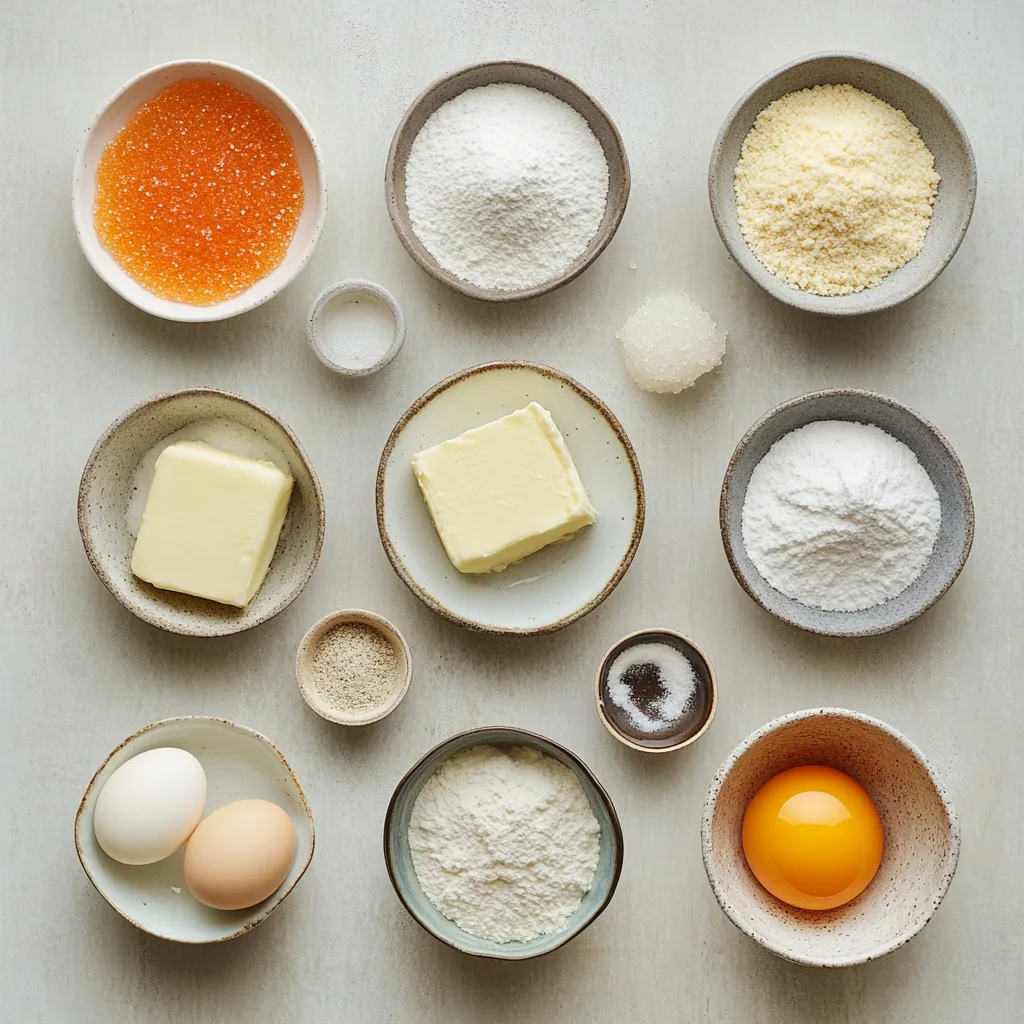
– 2 3/4 cups all-purpose flour
– 1 teaspoon baking powder
– 1/2 teaspoon salt
– 1 cup unsalted butter, softened to room temperature
– 1 1/2 cups granulated sugar
– 1 large egg
– 1 teaspoon pure vanilla extract
– 1/2 teaspoon pure almond extract
– Colored sugar or festive sprinkles for decoration
Instructions
1. In a medium bowl, combine the all-purpose flour, baking powder, and salt. Whisk them together until well mixed, then set the bowl aside.
2. In a large mixing bowl, use an electric mixer to cream the softened butter and granulated sugar together on medium speed until the mixture is light and fluffy, about 3-5 minutes.
3. Add the egg, vanilla extract, and almond extract to the butter-sugar mixture. Beat on medium speed until everything is well incorporated.
4. Gradually add the flour mixture to the wet ingredients, mixing on low speed until a soft dough forms. Be careful not to overmix.
5. Divide the dough into two equal portions. Shape each portion into a disc, wrap them tightly in plastic wrap, and refrigerate for at least 1 hour to allow the dough to firm up.
6. Preheat your oven to 350°F (175°C) and prepare baking sheets by lining them with parchment paper.
7. On a lightly floured surface, roll out one disc of chilled dough to about 1/4 inch thick. Keep the other disc in the refrigerator while you work.
8. Using cookie cutters, cut out shapes from the rolled dough and carefully place them on the prepared baking sheets, leaving some space between each cookie.
9. Before baking, generously sprinkle colored sugar or festive sprinkles on top of each cookie to add a decorative touch.
10. Bake in the preheated oven for 8-10 minutes, or until the edges of the cookies are just beginning to turn lightly golden.
11. Once baked, allow the cookies to cool on the baking sheets for 5 minutes before transferring them to a wire rack to cool completely.
All-Purpose Flour
All-purpose flour serves as the backbone of most cookie doughs, including our delicious soft sugar cookies. Its protein content strikes the right balance for producing a cookie that’s tender yet holds its shape. When measuring flour, ensuring accuracy by using a spoon to aerate it and then leveling off with a straight edge can prevent your cookies from turning out too dense.
For those looking for gluten-free options, alternatives like almond flour or a gluten-free all-purpose blend can be explored. However, these substitutions may require some adjustments in the recipe, including changes in additional binding agents.
Baking Powder
Baking powder acts as a crucial leavening agent in baking, providing the necessary lift for the cookies. It releases carbon dioxide when combined with the moisture in the dough, creating air pockets that lead to the cookies’ soft, fluffy texture. The right balance of baking powder is essential; too much can lead to a cake-like texture, while too little results in cookies that are flat.
Unsalted Butter
The choice of butter is significant in creating the desired softness of sugar cookies. Unsalted butter is recommended as it allows for greater control over the salt content in our recipe. Ensuring that the butter is at room temperature aids in creating a creamy, fluffy mixture when combined with sugar. This is critical for achieving the light texture that we love in soft sugar cookies.
Granulated Sugar
Sugar not only sweetens our cookies but also contributes to their structure. Granulated sugar helps to create a crispy edge while maintaining a soft center. When creamed with butter, sugar crystals create air pockets that expand during baking, giving the cookie its ideal texture. If you’re interested in experimenting with flavors, brown sugar or coconut sugar could add unique taste profiles but will slightly alter the final texture.
Eggs
Eggs play a vital role in cookie recipes, acting as a binding agent that combines the dry and wet ingredients and providing moisture. In our recipe, one large egg is used, which not only adds richness but also contributes to the overall structure of the cookie. For those avoiding eggs, flaxseed meal or applesauce can serve as effective substitutes.
Vanilla and Almond Extracts
Flavoring agents like vanilla and almond extracts elevate our sugar cookies from simple to extraordinary. Pure vanilla extract creates a classic flavor profile, while almond extract enhances the sweetness and provides a slightly nutty hint. Bakeries often add these extracts to make their cookies memorable. For variations, consider experimenting with other extracts, such as lemon or orange, depending on the theme of your cookies.
Salt
A small amount of salt in dessert recipes is necessary to enhance the sweetness and balance flavors. It acts as a flavor amplifier, drawing out the natural sweetness present in the sugars and butter. For those with dietary restrictions, sea salt or a low-sodium alternative can be used without sacrificing taste.
Decorative Sugar or Sprinkles
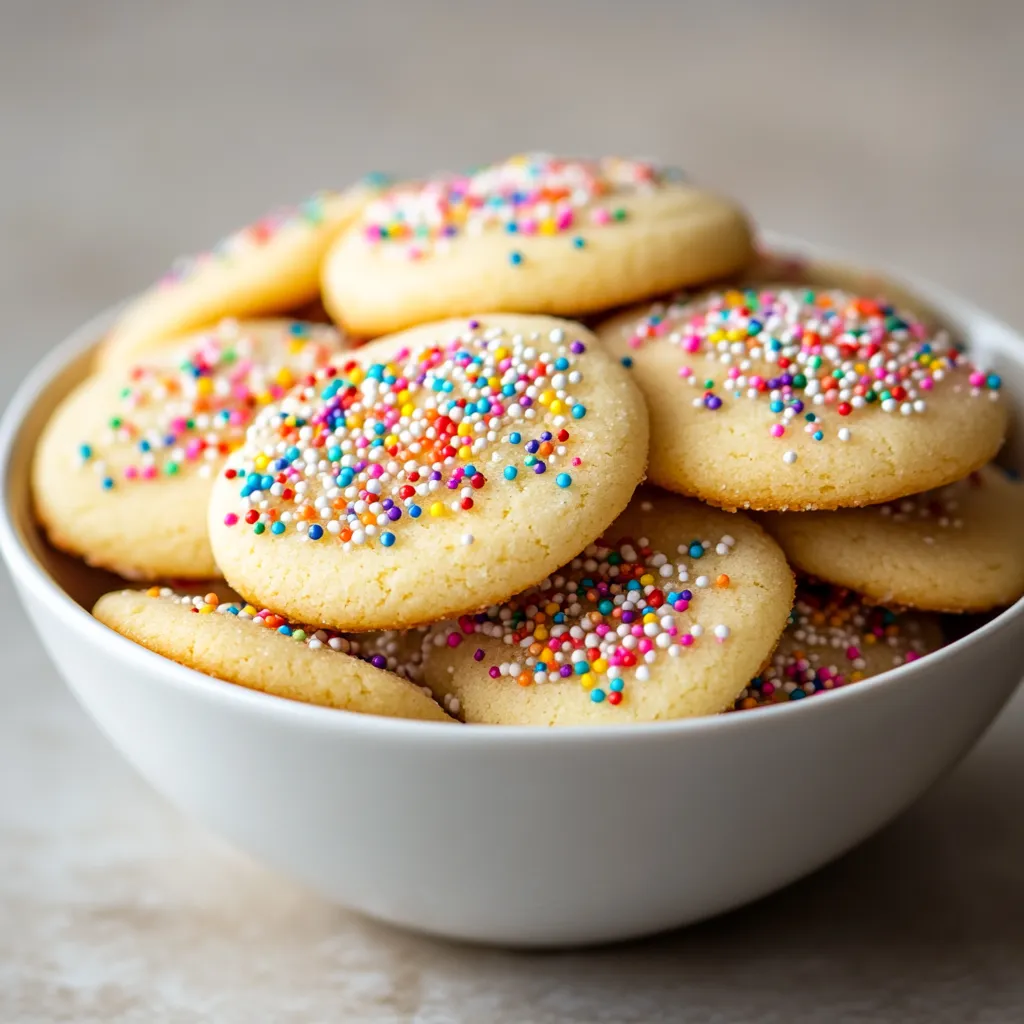
The finishing touch on our soft sugar cookies comes from the colorful sugar or sprinkles added before baking. These decorative elements can reflect festive occasions, holidays, or personal flair. They not only make the cookies visually appealing but also add a fun crunch. Bakeries often use themed sprinkles to celebrate different events, making cookie-baking a. seasonally joyful activity.
Mixing Dry Ingredients
When mixing the dry ingredients in step one, it is crucial to ensure that each component is evenly distributed. This ensures consistent flavor and texture throughout the cookies. Overlooking this step can lead to uneven rises or pockets of flour, resulting in a less enjoyable eating experience.
Creaming Butter and Sugar
Perfectly creaming the softened butter with granulated sugar involves blending them until they appear light and fluffy. This process introduces air into the mixture, creating the light texture that defines soft sugar cookies. If the mixture looks too grainy and is not lightening, you may need to continue mixing.
Incorporating Wet Ingredients
Adding the egg and extracts to the butter-sugar mixture requires mixing on medium speed until completely incorporated. This step is vital for achieving a cohesive dough, ensuring that the flavors meld seamlessly and contribute to the overall taste of the cookies.
Forming the Dough
When adding the dry mixture to the wet ingredients, it’s important to mix on low speed to avoid overworking the dough. Overmixing can lead to tough cookies due to the development of gluten. The goal here is to combine the ingredients until just incorporated, resulting in a soft dough that will yield tender cookies.
Chilling the Dough
Chilling the dough is a crucial step that allows the flavors to meld while making the dough easier to handle. It also helps prevent the cookies from spreading too much while baking, ensuring they retain their shape. If you’re short on time, you can chill the dough for a shorter period, but be aware that results may vary.
Preheating the Oven
Lastly, preheating your oven to 350°F (175°C) during the chilling time ensures that it is at the optimal temperature when you’re ready to bake. An adequately heated oven assures that the cookies bake evenly and rise correctly, creating that perfect soft texture we cherish in sugar cookies.
Correct Oven Temperature Settings
When baking exceptional cookies, the temperature settings of your oven are crucial. For this recipe, an oven preheated to 350°F (175°C) is optimal. This temperature not only ensures the cookies bake evenly but also helps in achieving that delightful soft texture. Each oven can vary slightly in heat distribution, so using an oven thermometer to double-check the temperature can be beneficial, especially for those who frequently encounter baking challenges.
Importance of Preheating
Preheating the oven might seem trivial, but it plays a significant role in cookie baking. By allowing your oven to reach the desired temperature before placing your cookies inside, you set the stage for a perfect bake. If the oven isn’t preheated, your cookies may spread too much before they gain structure, potentially resulting in flat and less appealing treats. Thus, while you wait for the dough to chill in the fridge, your oven can preheat, aligning perfectly with your preparation timeline.
Rolling and Cutting the Dough
Techniques for Rolling Out Evenly
Once your dough has chilled and firmed up, it’s time to roll it out. For even thickness, use a rolling pin with adjustable rings to ensure all cookies are uniform. If you don’t have adjustable rings, a standard rolling pin will do; just be conscious of applying even pressure throughout. Flour your work surface lightly to prevent sticking, and rotate the dough frequently as you roll to maintain an even shape.
Suggestions for Cookie Shapes
The fun part of baking soft sugar cookies lies in the creativity of shapes. You can use classic round cookie cutters or detail-oriented shapes like stars or hearts. For festive occasions, consider using shapes that correlate with the holiday, such as Christmas trees or pumpkins for Halloween. Regardless of the shape, the attention to detail during the rolling and cutting process adjusts the overall presentation of your cookies.
Placing Cookies on Baking Sheets
Optimal Spacing and Arrangement Tips
When placing your shaped dough onto the baking sheets, spacing is key to your cookie’s success. Each cookie should have enough room to expand without merging into its neighbor. Aim for about 2 inches between each cookie, which allows adequate spread and promotes even baking. Placing the cookies in rows can help maintain order and ensure they bake consistently.
Special Cooking Methods for Perfect Baking
Rotating your baking sheets halfway through the baking process is recommended, especially if your oven has hot spots. This simple method assists in achieving a uniform golden brown coloration across all cookies. Additionally, bake only one sheet at a time in the center of the oven for the best results. Should your oven have multiple racks, it’s wise to bake cookies in batches to avoid uneven results.
Baking Your Cookies
Best Practices for Monitoring Doneness
Baking times can fluctuate based on the exact size and thickness of your cookies. For this recipe, aim for 8 to 10 minutes, but keep a watchful eye starting at the 8-minute mark. Carefully observe the edges; they should appear lightly golden while the centers remain soft. If needed, do not hesitate to leave them in the oven for a minute longer, but be cautious not to overbake.
Identifying Visual Cues for Perfect Cookies
Visual cues are essential in determining the doneness of cookies. As cookies bake, they will puff slightly and the surface may look set. Avoid the temptation to press down on them since this can hinder the light texture. After removing them from the oven, the cookies will continue to cook slightly from the residual heat. This crucial timing contributes to their soft texture, allowing them to remain chewy and satisfyingly delicious.
Cooling and Storing
Understanding how to cool and store your cookies maximizes freshness and texture.
Cooling on Baking Sheets
Guidelines for Cooling Times
Allow your cookies to cool on the baking sheets for about 5 minutes after they come out of the oven. This short cooling period helps them set up while they are still warm, making them easier to transfer without losing shape. If left too long, they may become overly soft and stick to the parchment.
Importance of Transferring to Wire Racks
After their initial cooling period, it’s time to transfer the cookies to wire racks. This step is essential to prevent steam from building up, which can lead to sogginess. The air circulation around the cookies on wire racks encourages proper cooling and helps maintain their delightful texture until ready to serve.
Storing Cookies
Tips for Optimal Storage to Maintain Freshness
To preserve the freshness of your soft sugar cookies, store them in an airtight container at room temperature. Layering parchment paper between tiers of cookies helps maintain their structure and taste. If stored correctly, these cookies can last for several days, but freshness is best within the first two days post-baking.
Discussion on Freezing Cookies for Later Enjoyment
For extended enjoyment, consider freezing your cookies. Once completely cooled, place them in a single layer on a baking sheet and freeze until solid. After freezing, transfer them to resealable freezer bags, removing as much air as possible. Frozen cookies can be stored for up to three months. When ready to enjoy, thaw them at room temperature or pop them in the microwave for a few seconds to regain their softness.
Decorating Options
Highlighting creative ways to make soft sugar cookies visually appealing.
Ideas for Sprinkles
Creative Combinations for Festive Occasions
Elevate the visual appeal of your cookies with colored sugar or festive sprinkles. For holiday-themed baking, incorporate color schemes that resonate with the occasion—think red and green for Christmas, pastels for Easter, or vibrant hues for birthdays. Mixing different types of sprinkles can also yield a colorful and cheerful appearance.
Tips for Applying Sprinkles Effectively
To achieve the best sprinkle coverage, apply them immediately after cutting the shapes and before baking. This approach ensures the sprinkles adhere well to the surface of the cookies as they bake. Alternatively, consider dipping the tops of freshly baked cookies into melted chocolate or frosting and then rolling them in sprinkles for extra flair.
Icing and Frosting Variations
Overview of Simple Icing Recipes to Enhance Flavor
For adults and children alike, a good icing can transform a soft sugar cookie. Consider a simple glaze made of powdered sugar and milk for a sweet touch. Adding a few drops of food coloring to your icing can enhance presentation and indicate flavor variations.
Techniques for Applying Icing Uniformly
To apply icing uniformly, use a piping bag fitted with a small round tip or a squeeze bottle for more control. For a smooth finish, spread the icing evenly over the cookie surface using a small spatula, allowing the icing to naturally flow to the edges for a glossy look.
Presentation Tips
Suggestions for Arranging Cookies on Platters
Once decorated, consider how you present your cookies. To impress guests, arrange them in an artistic manner, such as alternating decorated and plain cookies. A festive platter can elevate the overall look, making it suitable for any occasion.
Creative Serving Ideas for Special Events
Consider serving your cookies alongside a themed beverage or dessert that complements the flavor profile. For a summer gathering, a refreshing lemonade pairs beautifully, while a warm cup of cocoa would be perfect during colder months.
Serving Suggestions
Explore Ideal Accompaniments That Enhance the Experience of Enjoying These Cookies.
Pairing with Beverages
Suggestions for Beverages That Complement Soft Sugar Cookies
Soft sugar cookies come alive with the right drink. A classic pairing includes cold milk, which balances the sweetness and texture. For a twist, consider herbal teas or a rich coffee, which complement the cookies’ soft texture and sweetness effectively.
Seasonal Pairings for Festive Occasions
During the holidays, hot apple cider or eggnog can enhance the festive spirit while pairing wonderfully with the sweet cookie flavors. Just as the seasons change, so too can your choice of beverage, adapting to the feelings each occasion brings.
Ideal Occasions for Serving
Highlighting Events That Are Perfect for Sharing These Cookies
These delightful sugar cookies are versatile for any gathering. From birthday parties to holiday celebrations, they can be the centerpiece of dessert tables or delightful gifts for guests. They even have the unique ability to elevate an ordinary afternoon into a festive occasion.
Ways to Integrate Cookies into Themed Parties
Whether it be a baby shower, graduation party, or any themed event, customizing your cookies according to the celebration can create a personal touch that guests will adore. Consider decorating cookies with symbols that relate to the theme, making it an interactive and enjoyable experience.
Nutritional Information
A brief look at the calories and nutritional content of the cookies.
Overview of Calories
Breakdown of Calorie Content per Cookie
Each cookie contains approximately 150 calories. These sweet treats strike a balance, providing a little indulgence without overwhelming the daily caloric intake.
Discussion on Ingredient Contributions to Nutrition
While enjoying these cookies, it’s important to reflect on the ingredients that formulate the final product. Different flours and sugars bring not only texture but also varying levels of nutritional content. Despite the indulgence, moderation remains key for a balanced approach to baked goods.
Adjusting for Dietary Preferences
Options for Reducing Calories or Sugar Content
For those watching caloric intake or seeking to reduce sugar, consider substituting part of the granulated sugar with a sugar alternative or reducing the overall amount used. While these adjustments may slightly alter the flavor, they still provide a delightful experience.
Tips for Healthier Ingredient Substitutes
To enhance the nutritional aspect, explore using whole wheat flour in place of all-purpose flour. Not only does this tweak increase fiber content, but it also adds a nuttier flavor profile that many enjoy. Additionally, substituting unsweetened applesauce or Greek yogurt for some of the butter can yield a lighter cookie while maintaining moisture.
Conclusion
These delightful soft sugar cookies, with their light and fluffy texture, create a perfect balance of sweetness that makes them irresistible. With a total time of just over an hour for preparation and baking, they are a suitable choice for any occasion, yielding approximately 24 cookies that are sure to please.

Delightfully Soft Sugar Cookies Recipe
Ingredients
- 2 ¾ cups all-purpose flour
- 1 teaspoon baking powder
- ½ teaspoon salt
- 1 cup unsalted butter softened
- 1 ½ cups granulated sugar
- 1 large egg
- 1 teaspoon pure vanilla extract
- ½ teaspoon pure almond extract
- colored sugar or festive sprinkles for decoration
Instructions
- Combine flour, baking powder, and salt in a medium bowl and whisk together.
- Cream softened butter and granulated sugar in a large bowl until light and fluffy.
- Add egg, vanilla extract, and almond extract to the butter-sugar mixture and beat until incorporated.
- Gradually mix in the flour mixture on low speed until a soft dough forms.
- Divide the dough into two portions, shape into discs, wrap in plastic, and refrigerate for at least 1 hour.
- Preheat oven to 350°F (175°C) and line baking sheets with parchment paper.
- Roll out one disc of dough on a floured surface to ¼ inch thick.
- Cut out shapes with cookie cutters and place on prepared baking sheets.
- Sprinkle colored sugar or sprinkles on top of each cookie before baking.
- Bake for 8-10 minutes until edges are lightly golden, then cool on sheets for 5 minutes before transferring to a wire rack.