
Introduction
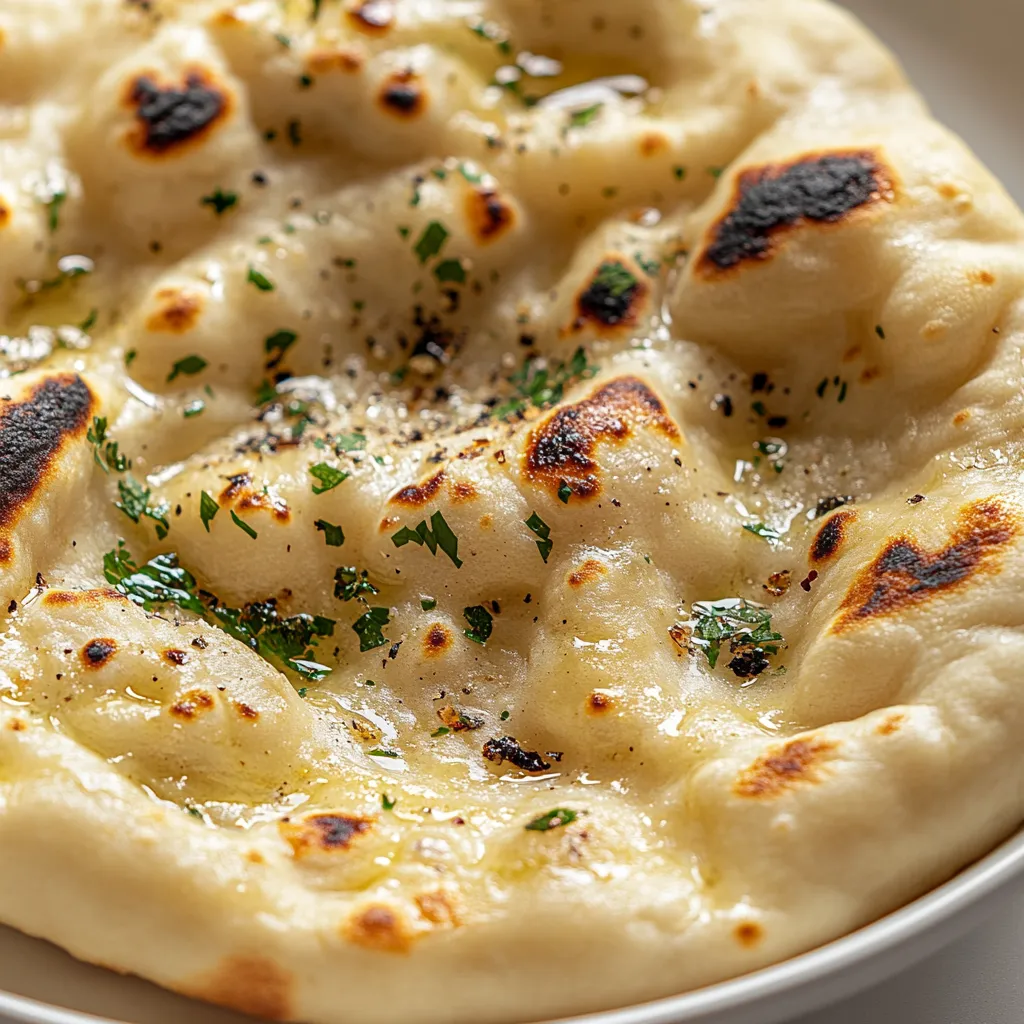
Naan bread is more than just a side dish; it’s a staple of Indian cuisine that has crossed borders to become beloved in many cultures around the world. Traditionally cooked in a tandoor, this flatbread is known for its soft, pillowy texture and slightly charred exterior. When served warm, it’s the perfect accompaniment to a variety of dishes, from rich, spiced curries to flavorful grilled meats.
The experience of tearing off a piece of freshly made naan and scooping up flavorful sauces is one of those culinary pleasures that can elevate any meal. Whether enjoyed during family gatherings or gourmet dinners, naan connects people through its shared enjoyment. Its versatility allows it to take on various flavors, making it an exquisite addition to countless dining occasions.
Have you ever thought about making naan at home? While it may seem like a daunting task, the process is delightfully simple, and the result is incredibly rewarding. Once you master the art of making traditional naan, you will find yourself serving it on a regular basis, impressing family and friends with your homemade delights.
Recipe Overview
– Prep Time: Not specified in the recipe
– Cook Time: Not specified in the recipe
– Total Time: Not specified in the recipe
– Course: Not specified in the recipe
– Cuisine: Not specified in the recipe
– Servings: Not specified in the recipe
– Calories: Not specified in the recipe
Ingredients
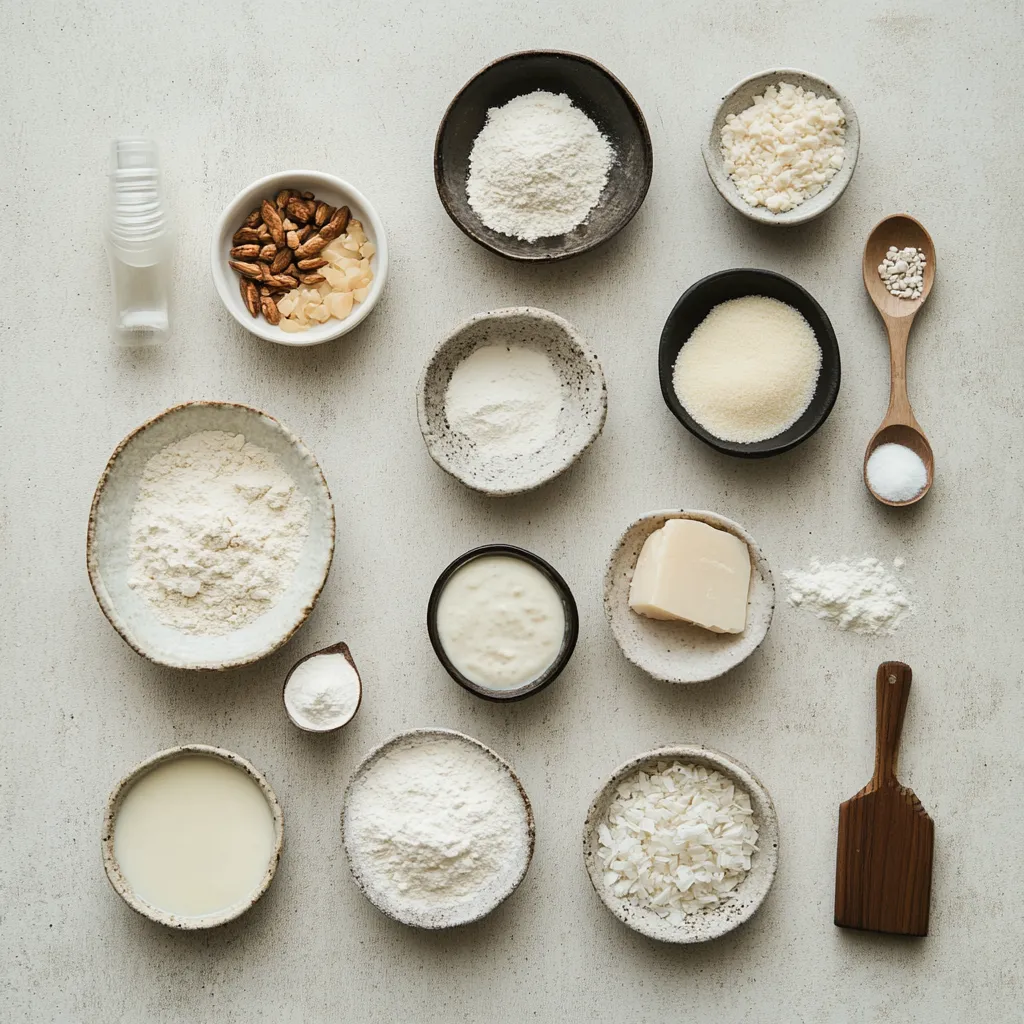
– 2 cups all-purpose flour
– 1 teaspoon sugar
– 1 teaspoon salt
– 1 teaspoon baking powder
– 1/2 teaspoon baking soda
– 1/2 cup plain yogurt
– 1/2 cup warm water (adjust as needed)
– 2 tablespoons olive oil or melted ghee
– Optional: minced garlic, chopped cilantro, or sesame seeds for flavoring
Instructions
1. In a large mixing bowl, combine the all-purpose flour, sugar, salt, baking powder, and baking soda. Mix these dry ingredients thoroughly to ensure even distribution.
2. Create a well in the center of the dry mixture and add the yogurt and olive oil (or ghee). Gradually pour in the warm water, mixing with your hands or a spoon until a soft dough forms.
3. Knead the dough on a lightly floured surface for about 5-7 minutes until it becomes smooth and elastic. If the dough is too sticky, sprinkle in a little more flour as needed.
4. Shape the dough into a ball, place it in a lightly greased bowl, and cover it with a damp cloth. Let it rest in a warm place for at least 1 hour, allowing it to rise.
5. After the resting period, punch down the dough and divide it into 6-8 equal portions. Roll each portion into a ball and then flatten it into an oval or circle, about 1/4 inch thick.
6. Preheat a skillet or tandoor over medium-high heat. If using a skillet, lightly grease it with oil. Cook each naan for about 2-3 minutes on one side until bubbles form, then flip and cook for an additional 1-2 minutes until golden brown and cooked through.
7. Optional: Brush the hot naan with melted butter or ghee and sprinkle with minced garlic, chopped cilantro, or sesame seeds for added flavor.
Mixing Dry Ingredients
One of the foundational steps in making naan is mixing the dry ingredients. This stage is crucial as it lays the groundwork for the naan’s texture and flavor. The combination of all-purpose flour, sugar, salt, baking powder, and baking soda must be done thoroughly to ensure that each ingredient is evenly distributed. This is not just about combining; it’s about creating a balanced mixture that will yield the desired fluffiness when baked. A gentle whisk or stirring motion will work wonders in blending these elements effectively.
Forming the Dough
Once you have your dry ingredients perfectly combined, the next step is creating a well and adding your wet ingredients. A well formed in the center of the dry mixture serves as a reservoir for the yogurt and oil you’ll introduce to the dough. Gradually pouring in the warm water ensures you have control over the moisture content, which is vital for achieving the correct dough consistency. The finished dough should be soft but not overly sticky. This preliminary mixing can be done using your hands or a spoon, whichever feels more comfortable.
Kneading the Dough
The kneading process is where the magic happens. As you knead the dough on a lightly floured surface, you develop the gluten structure that gives naan its delightful chew. Kneading is like a workout for your dough; it requires about 5-7 minutes of your time and should leave the dough smooth and elastic to the touch. Should you encounter stickiness, a sprinkle of flour will help regulate the consistency, allowing for easier handling. Signs that you’re on the right track include a dough that springs back when pressed and feels supple in your hands.
Resting the Dough
Resting the dough is an essential step that should not be overlooked. Covering the kneaded dough with a damp cloth and placing it in a warm spot allows the dough to rise, enhancing its airy texture. This resting period, ideally lasting at least one hour, is when the flavors meld and the dough gains the necessary volume. Think of it as a well-deserved break for your dough, allowing it to relax before it’s transformed into delicious naan.
Dividing and Shaping
Once your dough has risen to perfection, it’s time to divide and shape it. This is where your creativity can shine! After punching down the dough, you’ll portion it into six to eight pieces, rolling each piece into a ball. The flattening stage is also key; aim for an even thickness of about 1/4 inch to ensure uniform cooking. Whether you’re shaping them into ovals or circles, the goal is to create a consistent surface area for the naan to develop that beautiful char when it cooks.
Cooking Techniques
When it comes to cooking naan, the method can vary significantly depending on the tools available and the level of authenticity desired.
Using a Skillet
Cooking naan in a skillet is a convenient method that works well if you lack a tandoor. The advantage of using a skillet is that it can be easily managed on a stovetop. Once heated, lightly greasing the skillet ensures that the naan does not stick and allows for those charming bubbles to form. Cooking each naan for about 2-3 minutes on one side before flipping creates a rustic, satisfying texture. You’ll know it’s ready when you see lovely golden-brown spots adorning both sides of the bread.
Cooking in a Tandoor
For those looking to embrace the traditional approach, cooking in a tandoor remains the gold standard. This ancient method has been used for centuries to produce naan that is characteristically smoky and richly flavored. The high heat of a tandoor helps in achieving that coveted charred exterior while maintaining a soft interior. While not everyone has access to a tandoor, those who do find a great sense of satisfaction in cooking naan by this method, as it reflects the true essence of this beloved bread.
The journey of making traditional naan bread from scratch is not merely a cooking endeavor; it is an exploration of culture and flavor, a delightful experience that tantalizes the senses. Every bite of this soft, warm bread takes you through a delightful culinary tradition, making it an essential addition to your cooking repertoire.
for various stages and preferences can differ, the techniques outlined can help ensure flavorful results every time.
Tips for optimal performance
Cooking Time
Guidelines for perfect doneness
To achieve perfectly cooked naan bread, timing is essential. While the recipe suggests cooking each naan for 2-3 minutes on one side and flipping for an additional 1-2 minutes, it’s crucial to adjust these times based on your cooking surface. The high heat of a tandoor may cook your naan faster than a skillet. Therefore, always monitor closely and keep an eye on the color and texture of the bread as it cooks.
Signs to look for when flipping naan
When making naan, waiting for the right moment to flip can make a difference. Bubbles forming on the surface of the naan are an excellent sign that it’s ready to be flipped. The appearance of golden-brown spots on the underside indicates the naan is cooking correctly. Adjust your cooking time based on these visual cues, ensuring the bread is just right — well-cooked but not overly charred.
Flavoring Options
Explore the optional ingredients that can take naan bread to the next level.
Adding Garlic
Methods for incorporating minced garlic
Garlic naan is a beloved variation when it comes to flavoring your traditional naan. To incorporate minced garlic, simply mix it into the dough before kneading or sprinkle it onto the naan right before cooking, then brush on some melted ghee or butter to help it adhere. This infusion imparts a wonderful aroma and delicious savory taste to the bread.
Flavor profile effects
The addition of garlic not only enhances the aroma of your naan but contributes a robust flavor that can elevate a dish when served alongside rich curries or lentils. Garlic elements can complement the softness of the naan while providing a mouthwatering experience that pairs beautifully with various meals.
Presenting with Cilantro
Best practices for using chopped cilantro as a garnish
Chopped cilantro offers fresh herbal notes that enhance the taste of naan. For optimal presentation, sprinkle a generous amount over the hot naan just before serving. You can also mix chopped cilantro into the dough prior to cooking for a more integrated flavor.
Visual appeal and flavor enhancement
Cilantro adds both color and vibrancy to the presentation of your naan, making it visually stunning at the dinner table. Its fresh flavor balances the richness of dishes it accompanies, enhancing the overall dining experience.
Utilizing Sesame Seeds
Techniques for sprinkling and incorporating seeds
Sprinkling sesame seeds atop your naan can add both texture and flavor. You can either incorporate them into the dough or sprinkle them on top before cooking. A light brush of olive oil or melted ghee will help the seeds adhere, ensuring they do not fall off after cooking.
Nutritional benefits and flavor contribution
Sesame seeds are not only delicious but also packed with nutrients, including healthy fats and protein. Their nutty flavor complements the softness of the naan, providing a delightful crunch with every bite.
Serving Suggestions
This section offers creative ideas for serving naan bread, enhancing the overall dining experience.
Traditional Accompaniments
Popular dips and sauces to pair with naan
Naan is incredibly versatile and pairs well with various dips and sauces. Popular choices include tangy yogurt sauce, rich butter chicken sauce, or mint chutney, each offering contrasting flavors that can enhance your meal. Additionally, try pairing it with hummus or a sweet mango chutney to diversify your serving options.
Suggestions for savory and sweet options
For a more adventurous approach, consider serving naan with sweet options such as honey or a fruit compote, allowing the bread to shine as a delightful treat. The combination of savory and sweet creates a thrilling contrast that elevates any dining setting, whether it’s a casual meal or a festive gathering.
Creative Plating Ideas
Presentation tips for gatherings
When hosting, consider creatively plating naan for visual impact. Layer naan in a decorative basket lined with a cloth to keep them warm. Arrange them alongside dips in colorful bowls for a festive and inviting table setting full of contrasting textures and flavors.
Ideas to stack naan decoratively
Stacking naan can make a simple serving idea into a visually striking centerpiece. By arranging them in a conical shape or overlapping them slightly, you can create an inviting display that is both appealing and functional.
Storing Leftovers
Best practices for storing cooked naan
If you have leftover naan, it’s essential to store it correctly to maintain its delicious texture. Wrap naan tightly in aluminum foil or place it in an airtight container and store it at room temperature for up to a day or in the fridge for a bit longer, ensuring they remain soft and fresh.
Reheating methods to retain texture
To reheat, you can place naan in a skillet over low heat for a couple of minutes or wrap them in foil and warm them in the oven at a low temperature. This will help to revive their soft texture while warming them evenly.
Nutritional Analysis
This section delves into the potential nutritional benefits of traditional naan bread, addressing health-conscious readers.
Overview of Ingredients and Their Benefits
Naan’s core ingredients, such as all-purpose flour, yogurt, and olive oil or ghee, provide essential nutrients. The flour offers carbohydrates that are vital for energy, while yogurt introduces probiotics beneficial for gut health. Olive oil adds healthy fats, promoting heart health.
Potential health effects of over-consumption
Although naan is a delicious treat, moderation is key, especially for those watching their carbohydrate intake. Overconsumption can lead to unwanted weight gain, particularly if enjoyed alongside high-calorie sauces. Pairing naan with plenty of veggies or protein can help create a balanced meal.
Considerations for Dietary Restrictions
Gluten-free flour alternatives
Those with gluten sensitivities can explore alternative flours like almond flour or gluten-free blends that substitute all-purpose flour in naan recipes, allowing more individuals to enjoy this delightful bread without compromising their dietary needs.
Vegan options for yogurt and ghee
For vegans, substituting plain yogurt with a plant-based yogurt and using coconut oil instead of ghee offers a way to enjoy naan without animal products. These swaps preserve the flavor and texture while accommodating specific dietary restrictions.
Common Mistakes to Avoid
A helpful guide to potential pitfalls in making naan bread.
Over or Under-Kneading
Consequences of improper kneading
Kneading dough helps develop gluten, which is crucial for the naan’s structure. Over-kneading can result in a tough texture, while under-kneading leaves the dough weak, making it difficult to rise properly. A well-kneaded dough should be smooth, elastic, and slightly tacky to the touch.
Tips for achieving the right dough consistency
Aim for a balance where the dough isn’t too dry or too sticky. Adjusting the amount of flour or warm water can help achieve an ideal consistency, which should be pliable and manageable during the rolling process.
Incorrect Cooking Temperature
Dangers of cooking at too high or too low a temperature
Cooking naan at a temperature that’s too high risks burning the bread, while too low can lead to sogginess. A well-heated skillet or tandoor ensures that naan cooks evenly and achieves the desired golden-brown crust. Testing the heat with a few drops of water to see if they dance and evaporate is a handy trick.
Suggestions for testing skillet or tandoor readiness
Be sure to test the heat of your cooking surface by dropping a small amount of water on it. If it sizzles and evaporates quickly, your skillet or tandoor is ready for the naan.
Not Allowing Dough to Rise
Implications of skipping the resting period
Allowing the dough to rise is crucial, as it activates the yeast and enables the naan to develop its characteristic fluffiness. Skipping this step can lead to flat and dense bread that lacks the desired airy texture.
Importance of yeast activation
The resting period not only aids in yeast activation but also enhances the flavor of the naan as fermentation occurs. Giving the dough enough time to rise contributes to a more complex, rich taste after cooking, making the effort worthwhile.
Conclusion
Traditional naan bread embodies a delightful balance of flavors and textures, creating a warm and inviting experience whether served with a main dish or enjoyed on its own. The process of making naan from scratch is rewarding, leading to beautifully soft and pillowy bread that is perfect for dipping or enjoying plain. Although exact timing and preferences may differ, the recommendations provided can ensure delicious results every time.
Traditional Naan Bread Recipe for Flavorful Feasts
Ingredients
- 2 cups all-purpose flour
- 1 teaspoon sugar
- 1 teaspoon salt
- 1 teaspoon baking powder
- ½ teaspoon baking soda
- ½ cup plain yogurt
- ½ cup warm water
- 2 tablespoons olive oil or melted ghee
- minced garlic optional
- chopped cilantro optional
- sesame seeds optional
Instructions
- In a large mixing bowl, combine the all-purpose flour, sugar, salt, baking powder, and baking soda.
- Create a well in the center and add the yogurt and olive oil (or ghee).
- Gradually pour in the warm water, mixing until a soft dough forms.
- Knead the dough on a floured surface for about 5-7 minutes until smooth and elastic.
- Shape the dough into a ball, place it in a greased bowl, and cover with a damp cloth.
- Let it rest in a warm place for at least 1 hour to rise.
- After resting, punch down the dough and divide it into 6-8 equal portions.
- Roll each portion into a ball and flatten it into an oval or circle, about ¼ inch thick.
- Preheat a skillet or tandoor over medium-high heat and lightly grease if using a skillet.
- Cook each naan for 2-3 minutes on one side, then flip and cook for an additional 1-2 minutes until golden brown.