

Introduction
Butter Chicken, known as “Murgh Makhani” in India, is a beloved dish that captures the hearts of many with its rich, creamy, and mildly spiced flavor profile. Originating from the northern Indian region, this culinary treasure combines succulent chicken with a luscious tomato-cream sauce, making it a favorite in Indian restaurants and homes alike. Often served with fluffy basmati rice or warm naan, Butter Chicken creates an inviting meal for family gatherings, weeknight dinners, or special occasions alike.
Preparing Authentic Indian Butter Chicken entails a careful balance of spices, marination, and cooking methods, yielding an irresistible aroma that fills the kitchen. With the bright color of the dish, thanks to the spices, and the delightful creaminess brought forth by a generous splash of heavy cream, it’s no wonder this recipe has secured its place in the global food scene.
Assembling Butter Chicken is not only about the flavors but also about the experience of savoring a dish that warms the heart. Whether you are a novice in the kitchen or an experienced cook, this recipe will guide you through creating this delightful dish in your own home, providing an authentic taste of India.
Recipe Overview
– Total Time: 1 hour
– Servings: 4
– Difficulty: Not specified in the recipe
Ingredients
– 500g boneless chicken thighs, cut into bite-sized pieces
– 1 cup plain yogurt
– 2 tablespoons fresh lemon juice
– 2 teaspoons garam masala
– 1 teaspoon turmeric powder
– 1 teaspoon chili powder (adjust to taste)
– 1 teaspoon ground cumin
– Salt, to taste
– 3 tablespoons unsalted butter
– 1 large onion, finely chopped
– 3 cloves garlic, minced
– 1-inch piece ginger, grated
– 1 can (400g) crushed tomatoes
– 1 cup heavy cream
– 1 tablespoon sugar (optional, to balance acidity)
– Fresh cilantro, chopped, for garnish
– Cooked basmati rice or naan, for serving
Marinating the Chicken
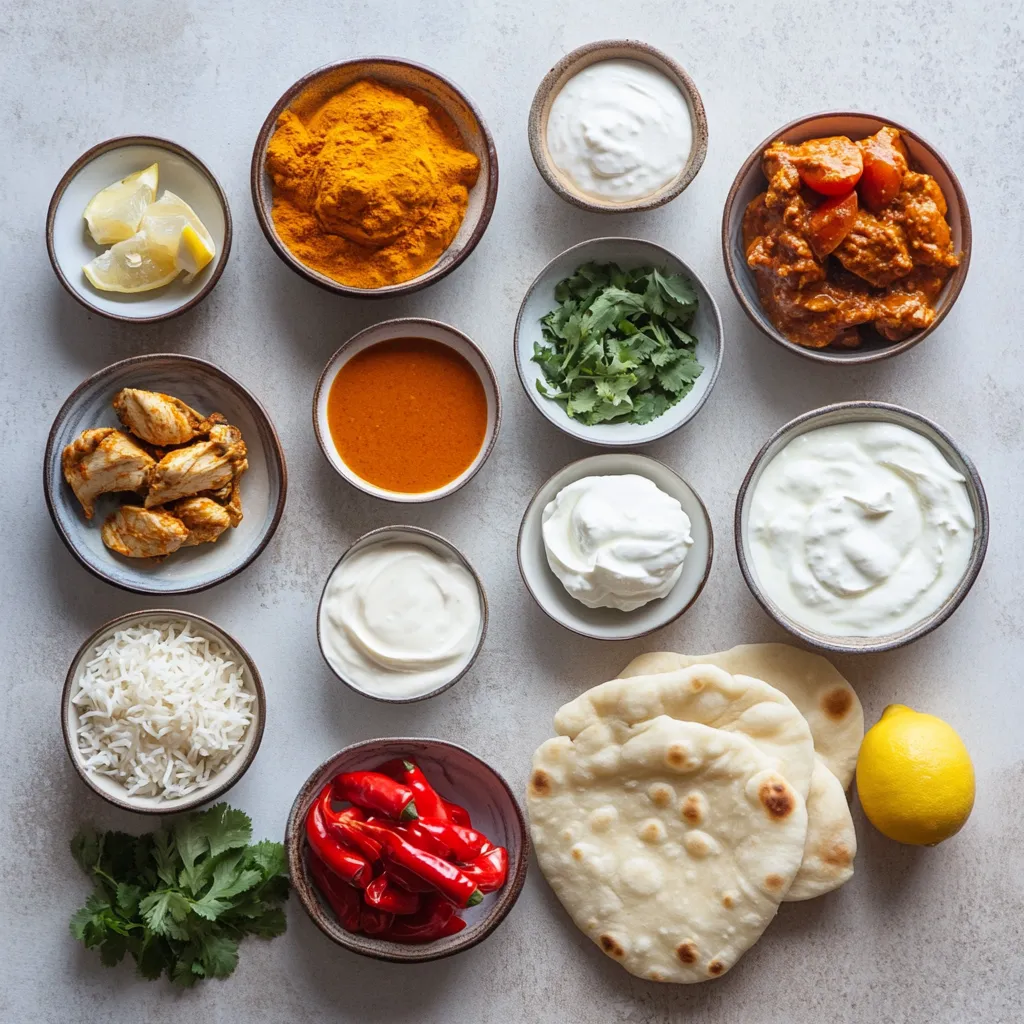
Marination is a crucial step in preparing Butter Chicken, as it enhances the flavors and tenderness of the chicken. Start by whisking together plain yogurt, fresh lemon juice, and an assortment of spices such as garam masala, turmeric, chili powder, ground cumin, and salt in a large mixing bowl. This marinade not only imparts flavor but the yogurt’s acidity helps to tenderize the meat, making the chicken exceptionally juicy and flavorful.
Importance of Marination
The importance of marination cannot be overstated, especially in Indian cooking. It allows the spices to deeply penetrate the chicken, ensuring that every bite is bursting with flavor. In addition, yogurt contains enzymes that break down proteins, contributing to a tender texture.
Recommended Marination Time
While the recipe suggests refrigerating the marinated chicken for at least one hour, marinating it overnight is highly recommended when possible. A longer marination time allows the flavors to develop more intensely, resulting in a more aromatic and flavorful dish.
How to Achieve the Best Flavor
To achieve the best flavor, ensure that the chicken pieces are thoroughly coated with the marinade. Cover the bowl with plastic wrap to retain moisture and refrigerate. For those eager for a more vibrant taste, consider letting the marinated chicken sit at room temperature for 20-30 minutes before cooking; this can help produce a more evenly cooked and flavorful meal.
Cooking the Chicken
After marinating, it’s time to cook the chicken pieces. The technique you use at this stage can significantly impact the overall tastes and textures of the dish.
Ideal Cooking Techniques
Heat 2 tablespoons of unsalted butter in a large skillet over medium heat. This is the perfect temperature to ensure that the chicken cooks evenly while developing a golden-brown exterior. Add the marinated chicken to the skillet, ensuring that the pieces are spaced adequately; overcrowding the pan can lead to uneven cooking.
Tips for Ensuring Even Cooking
Stir the chicken occasionally as it cooks to allow for even browning on all sides. This helps seal in the moisture while creating a delicious crust. The chicken should take about 5-7 minutes to cook through.
Recognizing When Chicken is Done
To recognize when the chicken is fully cooked, look for a golden brown color and opaque flesh. You can also cut a piece in half to check that it is white and no longer pink inside. Once the chicken is cooked, remove it from the skillet and set it aside before proceeding to the next step.
Sautéing Aromatics
Sautéing the aromatics is where the dish truly begins to come together. This stage adds depth and flavor, enriching the overall profile of the Butter Chicken.
The Role of Onions in Butter Chicken
Onions are a foundational component in many Indian dishes, particularly Butter Chicken. Finely chopped onions should be sautéed until they become translucent and soft, which typically takes about five minutes. This process helps to release the sugars in the onions, enhancing sweetness in the sauce.
Perfecting Garlic and Ginger
Following the onions, add in minced garlic and grated ginger. Their sharp, aromatic qualities impart a signature flavor to the dish. Cook these aromatics for an additional 1-2 minutes until their fragrances fill the kitchen, indicating that they are ready for the next step.
Timing for Maximum Flavor Release
Timing is essential while sautéing aromatics; if the garlic and ginger are cooked for too long, they can become bitter. Therefore, always keep a close eye on them and stir frequently to achieve maximum flavor release without overcooking.
Creating the Sauce
The sauce is the heart of Authentic Indian Butter Chicken, marrying all the elements into a rich, creamy dish.
Utilizing Crushed Tomatoes Effectively
After the aromatics are perfectly sautéed, it’s time to add the flavor base by pouring in the crushed tomatoes. Stir the mixture well, allowing the tomatoes to meld with the sautéed onions, garlic, and ginger.
Cooking Time and Temperature Recommendations
Let the sauce simmer gently for about 10 minutes, which allows the flavors to blend and develop. Keeping the heat at a medium to low temperature ensures that the sauce doesn’t burn while still allowing the tomatoes to break down and contribute to the dish’s overall sweetness.
Flavor Development During Simmering
Simmering not only aids in flavor development but also helps thicken the sauce slightly, giving it a luscious texture that coats the chicken beautifully. During this time, the vibrant colors of the sauce deepen, making for an appetizing presentation.
Combining Chicken and Sauce
Once the sauce reaches a harmonious blend of flavors, it’s time to bring everything together.
Textural Considerations
Returning the cooked chicken to the skillet allows it to soak up the rich sauce while also ensuring that every bite is filled with creamy goodness. Simmering them together for an additional 5-10 minutes allows the flavors to meld perfectly, achieving that iconic Butter Chicken experience.
The Role of Heavy Cream in the Dish
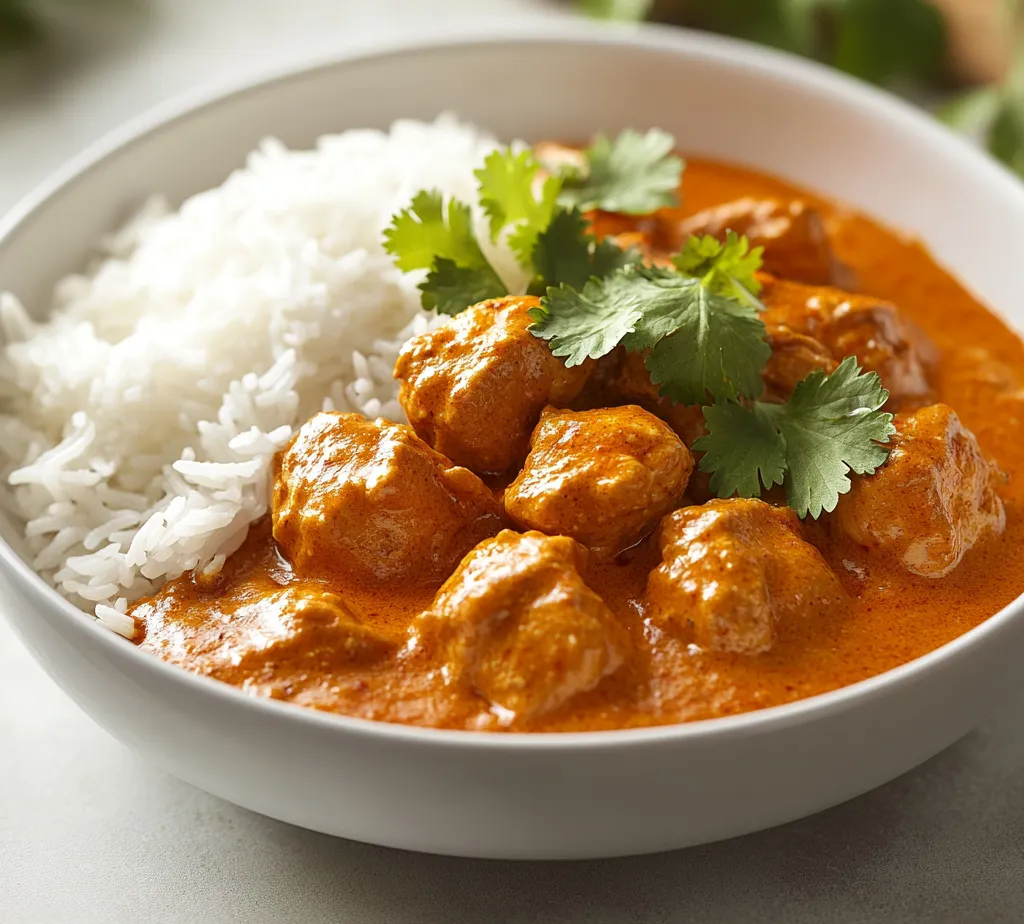
The final touch involves stirring in the heavy cream, giving the sauce its signature creaminess that balances the acidity of the tomatoes. If desired, adding a tablespoon of sugar can further enhance the taste by providing a touch of sweetness. As the sauce thickens, it creates the perfect coating for the chicken, elevating the dish to its full potential.
Adjusting Sweetness and Acidity
When preparing Butter Chicken, finding the right balance between sweetness and acidity can elevate the dish significantly. If you find the sauce is a bit too acidic, adding a tablespoon of sugar, as stated in the recipe, can help balance the flavors beautifully. Start with a small amount, taste, and adjust as necessary. Other options to naturally sweeten the sauce—though not specified in the original recipe—include using a splash of honey or adding a finely grated carrot during cooking, which can sweeten without overwhelming the dish.
Garnishing the Dish
Choosing Fresh Cilantro
Cilantro is a staple garnish for Butter Chicken, adding a vibrant color and fresh flavor that complements the rich, creamy sauce. When selecting cilantro, look for bright green leaves with no wilting or yellowing. It’s best to use the leaves and tender stems for maximum flavor. Wash the cilantro thoroughly to remove any dirt, and always chop it just before serving to maintain its freshness and aroma.
Alternative Garnish Options
While cilantro is traditional, there are several alternative garnish options you could consider for a twist on presentation. Finely chopped mint can provide a refreshing flavor contrast. You may also sprinkle some slivered almonds or cashews on top for a creamy, nutty touch. A drizzle of coconut cream can enhance the tropical note, especially for those experimenting with regional variations.
Presentation Tips for a Stunning Plate
For a stunning presentation, serve the Butter Chicken in a shallow dish to showcase the vibrant colors of the sauce. Position a mound of fluffy basmati rice or neatly folded naan on the side. Drizzling a little extra cream over the chicken can create an appealing look, while a sprinkle of vibrant spices or paprika around the edges enriches the visual appeal. Consider serving the dish with elegant tableware to resonate with the generous and sumptuous nature of this Indian dish.
Accompaniments
Classic Pairings with Butter Chicken
Butter Chicken is traditionally served with basmati rice or naan, both of which are perfect for scooping up the sauce. The subtle flavors of basmati rice complement the complex spices in Butter Chicken, providing a perfect balance. Fresh cucumber raita—a yogurt-based side—adds a cooling element, countering the spice of the dish. Additionally, serving a refreshing salad, such as a classic Indian kachumber made with diced cucumber, tomato, and onion, can enhance the meal further.
Preparing Basmati Rice
Cooking basmati rice is simple, yet crucial to achieving the desired texture. Rinse the rice under cold water until the water runs clear to remove excess starch. Then soak it in water for 30 minutes, allowing it to absorb moisture and cook evenly. For every cup of basmati rice, use one and a half cups of water. Bring the water to a boil, add the rice, reduce to a simmer, cover, and cook for approximately 15-20 minutes or until all liquid is absorbed. Let it rest for a few minutes before fluffing with a fork for that perfect delicate grain.
Cooking Naan: Oven vs. Stovetop
Naan can be cooked in a conventional oven or on a stovetop, each method yielding a slightly different texture. For oven baking, use a pizza stone or baking sheet preheated to a high temperature (about 475°F/245°C). Place the rolled-out naan directly onto the hot surface for a nice, crispy texture. Alternatively, cooking naan on a preheated skillet or tawa on medium-high heat is traditional. Cook for 1-2 minutes on each side until bubbles form and the bread turns golden brown. Brush with butter or garlic for an added flavor boost when serving.
Tips for the Perfect Butter Chicken
Adjusting Spice Levels to Personal Preference
The recipe specifies one teaspoon of chili powder, but spice levels can be tailored to your taste. If you prefer a milder dish, consider reducing the chili powder or omitting it altogether. Conversely, for those who enjoy a spicy kick, additional chili powder, garam masala, or even a sprinkle of crushed red pepper flakes can enhance the heat of the dish.
Experimenting with Ingredients
Feel free to experiment with different spices and ingredients based on your preferences. Adding a pinch of cardamom or a touch of smoked paprika can introduce new dimensions of flavor. Incorporating bell peppers or peas can also add color and nutrition, though these ingredients would alter the traditional profile of Butter Chicken. Remember, creativity can lead to delightful discoveries!
Storage and Reheating Recommendations
Butter Chicken can be stored in an airtight container in the refrigerator for up to 3 days. To reheat, gently warm it on the stovetop over low heat, stirring occasionally to prevent sticking or burning. If too thick, add a splash of water or extra cream for desired consistency. For longer storage, consider freezing Butter Chicken, where it can last up to 3 months. Thaw it overnight in the refrigerator before reheating, ensuring even warming and taste retention.
Nutrition Information
Caloric Breakdown
The caloric content of Butter Chicken can vary depending on preparation and portion sizes. On average, a serving size provides approximately 400-500 calories, largely influenced by the heavy cream and butter used in the recipe. Adjusting the fat content with alternatives, like using low-fat yogurt or cream, can help reduce calories without sacrificing flavor.
Key Nutrients in Butter Chicken
Butter Chicken is a good source of protein, primarily due to the chicken thighs, and provides ample fat through butter and cream. Tomatoes contribute essential vitamins like vitamin C and K, along with dietary fiber. Incorporating basmati rice or naan as part of the meal also adds carbohydrates and provides energy.
Portion Control Tips
To manage portions effectively, consider serving smaller amounts of Butter Chicken and pairing it with larger sides of vegetables or salad. Using smaller plates can also help with visual perception of portion size, leading to less waste and mindful eating.
Variations on Butter Chicken
Vegan and Vegetarian Alternatives
For a vegan or vegetarian version of Butter Chicken, substitute chicken with marinated tofu or chickpeas. Opt for coconut milk or cashew cream in place of heavy cream to maintain the dish’s creaminess without dairy. These adjustments can create equally satisfying variations, allowing everyone to enjoy the flavors of this classic dish.
Regional Variations of the Recipe
Across India, various regions have their interpretations of Butter Chicken. For example, in Kolkata, Butter Chicken may be spiced differently with more focus on coriander and less heat. Furthermore, in some areas, the use of nuts in the sauce enhances the creaminess. Emulating local styles can provide a richer understanding of culinary traditions.
Creative Twists on Traditional Butter Chicken
Consider incorporating unique twists, such as adding roasted vegetables or incorporating unique spice blends that reflect personal tastes or regional ingredients. Some may even choose to create a Butter Chicken pasta, seamlessly blending two culinary worlds. The potential for creativity ensures that Butter Chicken remains a versatile and beloved dish.
Conclusion
This authentic Indian Butter Chicken Delight offers a rich and creamy dining experience characterized by tender chicken enveloped in a flavorful sauce. With its impressive balance of spices, this dish can be prepared in about an hour, making it a perfect choice for both busy weeknights and special occasions. The versatility in service and garnishes enhances the overall taste, ensuring a delightful encounter with the flavors of Indian cuisine.
Authentic Indian Butter Chicken Delight Recipe
Ingredients
- 500 g boneless chicken thighs
- 1 cup plain yogurt
- 2 tablespoons fresh lemon juice
- 2 teaspoons garam masala
- 1 teaspoon turmeric powder
- 1 teaspoon chili powder
- 1 teaspoon ground cumin
- to taste salt
- 3 tablespoons unsalted butter
- 1 large onion
- 3 cloves garlic
- 1 inch piece ginger
- 1 can crushed tomatoes
- 1 cup heavy cream
- 1 tablespoon sugar
- to taste fresh cilantro
- as needed cooked basmati rice or naan
Instructions
- Marinate the chicken with yogurt, lemon juice, spices, and salt; refrigerate for at least 1 hour.
- Heat butter in a skillet, cook marinated chicken until browned and cooked through, then set aside.
- In the same skillet, sauté onion until translucent, then add garlic and ginger, cooking until fragrant.
- Add crushed tomatoes to the skillet and simmer for 10 minutes.
- Return chicken to the skillet, stir in heavy cream and sugar, and simmer until sauce thickens.
- Adjust salt to taste, garnish with cilantro, and serve hot with rice or naan.