
Introduction
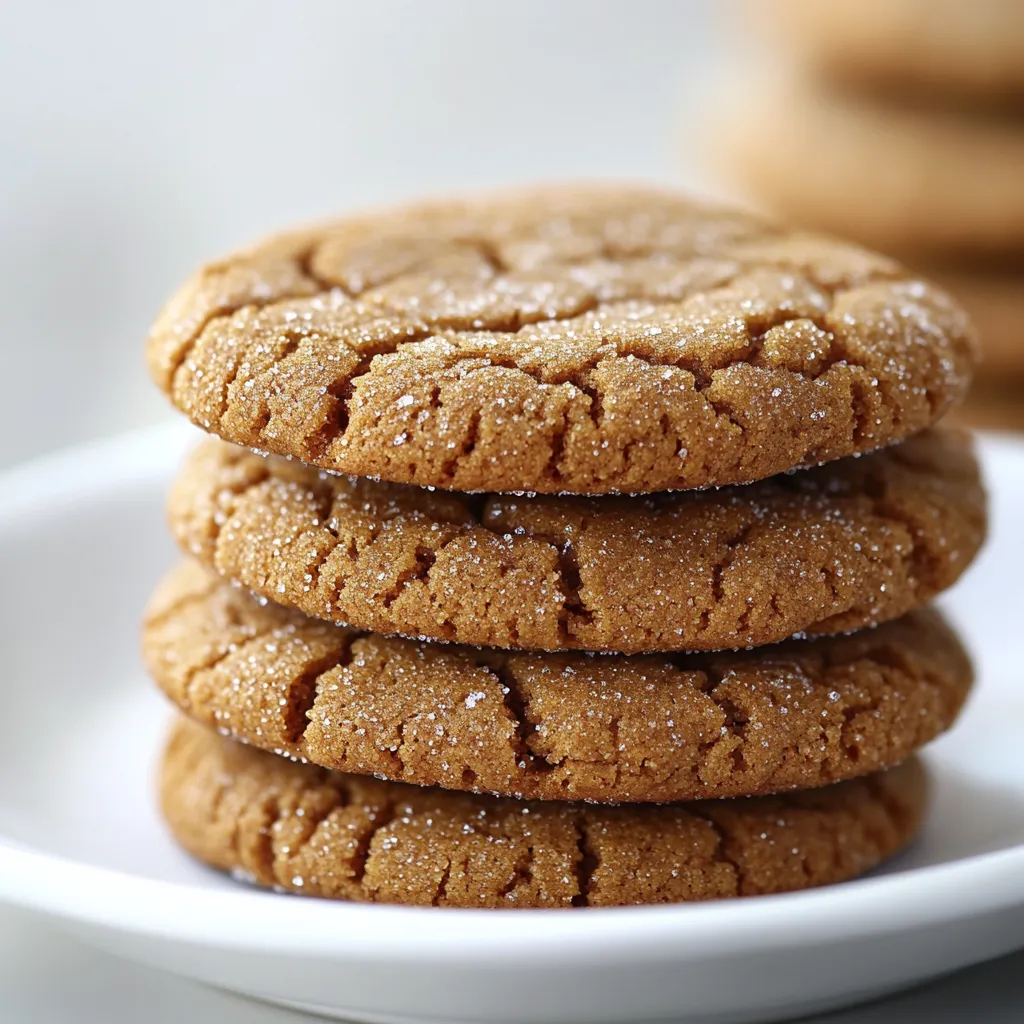
Molasses cookies are timeless treats that evoke feelings of nostalgia and warmth. Created with a mix of rich spices and the deep, robust flavor of molasses, these cookies possess a delightful softness that makes them irresistible. They often remind us of home baking during the colder months, where the scent of sweet spices and baked goods fills the air, creating a cozy atmosphere that beckons everyone to gather around.
There’s a unique charm to molasses cookies that transcends generations. It’s largely due to their rich history, an essential part of many family traditions. Often enjoyed with warm beverages, such as tea or coffee, these cookies are perfect for creating memories during holiday gatherings or casual get-togethers with friends. Their soft, chewy texture and subtle spice notes appeal to the palate, making them a beloved choice for any occasion.
Whether you’re a seasoned baker or a beginner, this delightful recipe will guide you to create the softest molasses cookies you can imagine. Ideal for festive baking or simply a cozy night in, these cookies are sure to become a staple in your recipe arsenal.
Recipe Overview
– Total Time: 25 minutes
– Prep Time: 15 minutes
– Yield/Servings: 24 cookies
– Difficulty: Not specified in the recipe
This molasses cookie recipe beautifully balances flavor and simplicity. The warm, spiced notes from the ginger, cinnamon, and cloves create a comforting blend, while the molasses provides a unique sweetness that sets these cookies apart. Perfectly soft with slightly crisp edges, they offer a satisfying texture that makes them enjoyable for all ages.
Ingredients
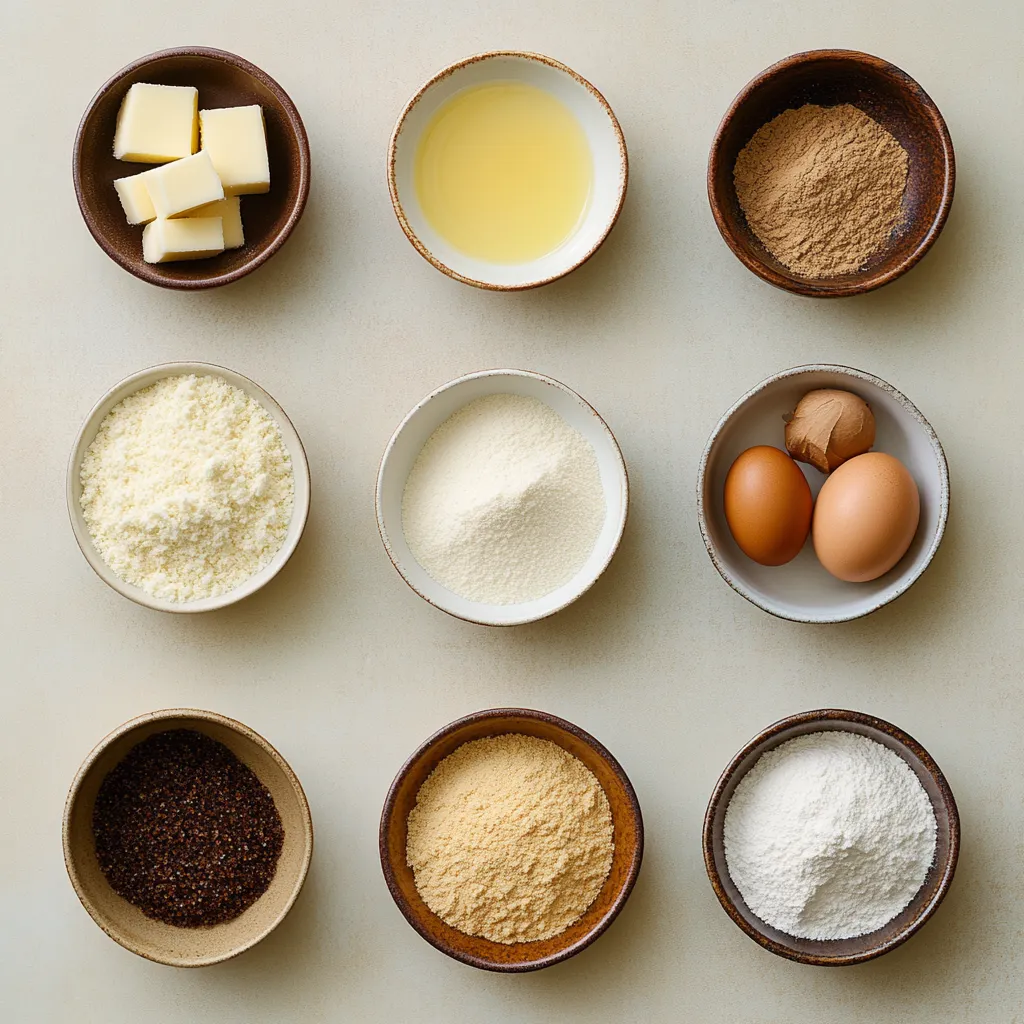
– 1 cup unsalted butter, softened to room temperature
– 1 cup packed brown sugar
– 1/2 cup unsulfured molasses
– 1 large egg
– 2 1/4 cups all-purpose flour
– 1 teaspoon baking soda
– 1 teaspoon ground ginger
– 1 teaspoon ground cinnamon
– 1/2 teaspoon ground cloves
– 1/2 teaspoon fine salt
– 1/4 cup granulated sugar (for rolling)
In this recipe, the choice of ingredients plays a crucial role in achieving the perfect molasses cookie. Each element contributes significantly to the cookie’s texture, flavor, and overall appeal.
Instructions
1. Begin by preheating your oven to 350°F (175°C). Prepare two baking sheets by lining them with parchment paper to prevent sticking.
2. In a large mixing bowl, combine the softened butter and packed brown sugar. Use an electric mixer or a whisk to cream them together until the mixture is light, fluffy, and well blended.
3. Incorporate the molasses and the egg into the creamed mixture. Stir until everything is thoroughly combined and smooth.
4. In a separate bowl, whisk together the all-purpose flour, baking soda, ground ginger, ground cinnamon, ground cloves, and salt. This will ensure that the baking soda and spices are evenly distributed throughout the flour.
5. Gradually add the dry ingredients to the wet mixture, stirring gently until just combined. Be cautious not to overmix, as this can affect the texture of the cookies.
6. Using a cookie scoop or a tablespoon, portion out the dough and roll it into uniform balls. Roll each ball in granulated sugar, ensuring they are evenly coated.
7. Arrange the sugar-coated dough balls on the prepared baking sheets, spacing them about 2 inches apart to allow for spreading during baking.
8. Place the baking sheets in the preheated oven and bake for 8-10 minutes. The cookies should have set edges and slightly cracked tops. They will appear soft but will solidify as they cool.
9. Once baked, remove the cookies from the oven and let them rest on the baking sheets for 5 minutes. Afterward, transfer them to a wire rack to cool completely.
Baking Preparation
Baking preparation is an essential step that ensures your molasses cookies will turn out perfect every time. One of the first tasks to undertake is preheating the oven to 350°F (175°C). Preheating allows the cookies to begin baking at the correct temperature, helping them rise and develop that desired soft texture.
Equipping your baking sheets is equally important. Lining them with parchment paper serves a two-fold purpose: it prevents the cookies from sticking and allows for easier clean-up post-baking. The low-friction surface of parchment paper means the cookies won’t adhere to the sheet, helping them retain their shape.
Before you dive into preparing the cookie dough, ensure that all your ingredients are ready and measured accurately. Precision is key to achieving the right texture and flavor, especially in baking, where the balance of ingredients is delicate. Gathering and measuring everything beforehand will speed up the process and make it more efficient when you begin mixing.
Mixing the Cookie Dough
To create the perfect dough for your molasses cookies, start by creaming together the unsalted butter and brown sugar. This step is critical as it incorporates air into the mixture, contributing to the light and fluffy texture of the cookies. Use an electric mixer on medium speed or a whisk to achieve this. Aim for a bright, fluffy consistency, as this indicates that the butter and sugar are fully incorporated.
Once your butter and sugar mixture is perfectly cream, slowly incorporate the molasses and egg. The molasses not only adds a rich flavor but also helps to keep the cookies moist. After adding these ingredients, stir until everything is well combined and smooth.
Next, it’s time to handle the dry ingredients. Whisk together the all-purpose flour, baking soda, spices, and salt in a separate bowl. This ensures an even distribution of the leavening agents and spices, allowing for a uniform baking result. Gradually add this mixture to the wet ingredients, mixing gently until just combined. Avoid overmixing, as this can lead to tough cookies. The key is to mix until you don’t see any dry flour; your dough will still be soft and thick.
This careful blending of wet and dry ingredients culminates in a delectable dough that will yield soft, chewy molasses cookies.
Baking the Cookies
Optimal spacing for even baking is essential for achieving the perfect texture in your Delightfully Soft Molasses Cookies. When placing your dough balls onto the prepared baking sheets, ensure that they are spaced about 2 inches apart. This spacing allows air to circulate and enables the cookies to spread evenly. If placed too close together, they may merge during baking, resulting in uneven shapes and textures.
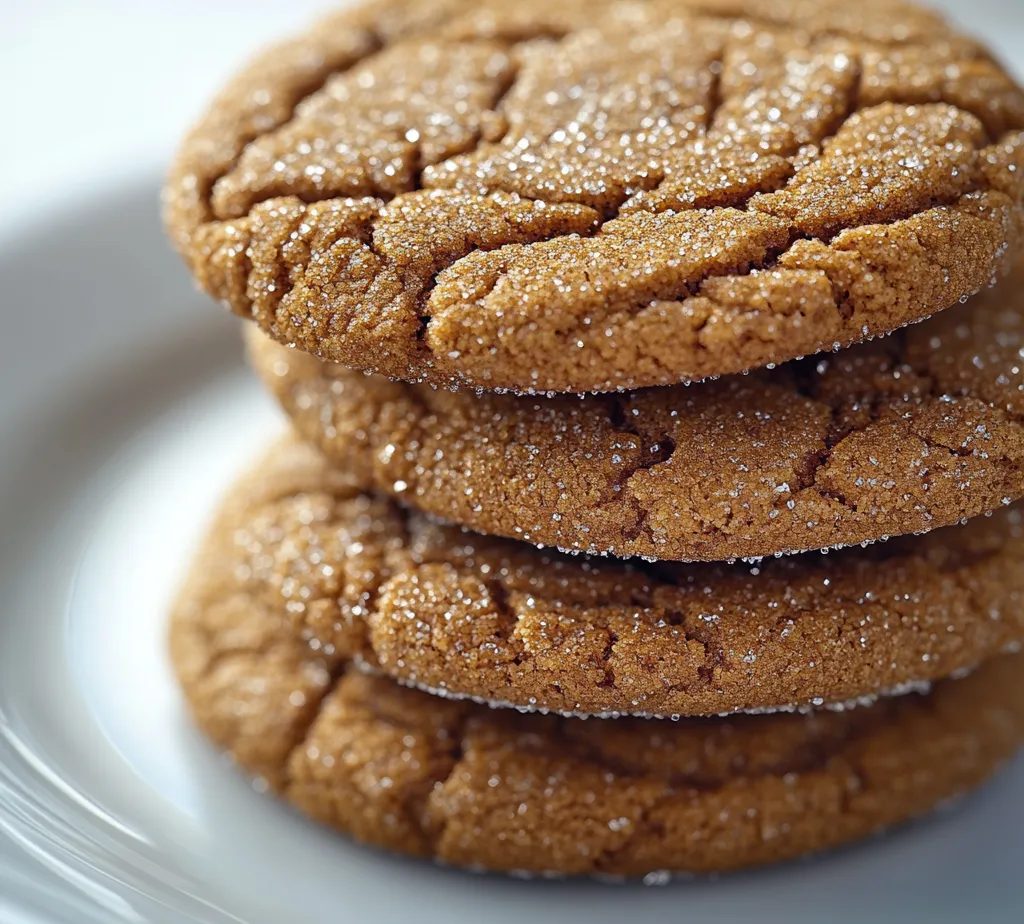
Timing and visual cues for doneness are crucial as well. Bake the cookies for 8 to 10 minutes but keep an eye on them, as every oven is slightly different. Look for cookies that have set edges with a slightly soft center—the tops should show faint cracks. A well-baked cookie will spring back slightly when gently pressed and will not look wet or undercooked.
Understanding what the finished cookies should look like can guide you in achieving baked perfection. They should have a rich, dark color attributed to the molasses, while the sugar coating gives an appealing sheen. If they appear overly puffy and pale, they may need a few more moments in the oven.
Baking in batches can be an efficient way to handle larger amounts of dough. If you have only one oven and multiple trays, stagger the sheets for optimal heat circulation or bake them one at a time. If you do this, you can maximize quality and ensure that each batch bakes evenly.
Tips for managing multiple sheets include rotating them mid-way through the baking time, especially if your oven has hot spots. Switch the positions of the trays from top to bottom, and if you are baking two sheets simultaneously, rotate them back and forth for even results.
Temperature variation tips suggest that if you notice an odd browning or uneven baking, you may want to check your oven temperature using an oven thermometer. Ideal cookie baking requires our oven to be at the precise 350°F (175°C) to achieve that delightful soft texture and prevent the cookies from becoming too hard or chewy.
Adjusting for different ovens can require some experimentation, especially in older appliances. If you’re aware that your oven tends to run hotter, consider reducing the baking time slightly to avoid over-baking and drying out the cookies.
Cooling and Storing
The cooling process is just as important as the baking, directly affecting your cookies’ final texture. After you pull the trays from the oven, allow the cookies to cool on the baking sheet for about 5 minutes. This resting period allows them to firm up, which is crucial for preventing breakage during transfer.
Importance of resting on the baking sheet lies in the residual heat continuing to cook the cookies slightly while maintaining softness. This is the moment where the cookies set properly, creating a chewy and tender interior.
Transferring to wire racks should be done with care. Use a spatula to gently lift the cookies onto the racks, ensuring they retain their shape. A wire rack facilitates airflow, which is necessary to cool the cookies down evenly, preventing sogginess on the bottom.
Benefits for texture are quite notable. Allowing cookies to cool completely allows the flavors to meld and enhances the overall experience of each bite, ensuring that they are tender and delightful.
Storage tips for freshness are crucial if you anticipate keeping your cookies for a few days. To retain their softness, store them in an airtight container at room temperature. This prevents moisture loss and maintains their delightful texture.
Best containers and conditions for storage should include a well-sealed tin or glass jar, lined with parchment to avoid sticky surfaces. If you live in a particularly humid area, consider adding a small piece of bread to the container; it will help retain moisture in the cookies.
Presentation Tips
Creative serving suggestions can elevate your cookie offering. Arrange the cookies in a festive tower or in baskets lined with pretty napkins. A simple garnish of powdered sugar or drizzling melted chocolate can provide an extravagant touch.
Plate decorations and accompaniments can add charm: placing cookies alongside individual ramekins of milk or whipped cream can create a rustic feel. Use holiday-themed plates or colorful platters for special occasions to make the presentation pop.
Pairing ideas for beverages should focus on flavors that complement the spiced cookies. A warm cup of chai tea, spiced cider or coffee can unleash the cookie’s cozy flavor, blending beautifully with the deep notes of molasses.
Best drinks to complement the cookies include cold milk, tea with honey, or even a rich hot chocolate for those colder evenings. Each beverage enhances the cookies’ sweet, spiced profile, creating a comforting experience.
Seasonal presentation ideas could include adding subtle decorations, such as cranberries or citrus peels, for winter holidays, or arranging cookies with fresh flowers for spring gatherings.
Making the cookies festive for various occasions can be as simple as adding colored sugar for holidays or experimenting with cookie shapes using themed cookie cutters, enhancing both appeal and celebration.
Nutritional Information
Overview of nutritional value per cookie can vary based on exact portion size, but generally, each cookie has approximately 100-120 calories. The rich molasses contributes to the overall carbohydrate content, which is primarily derived from sugars.
Breakdown of calories and key nutrients shows that the molasses provides not just sweetness but also some essential minerals like calcium and iron. The spices used can have additional health benefits, aiding digestion and boosting the immune system.
Health considerations regarding ingredients should account for individuals monitoring sugar intake; these cookies do contain sugar and flour, making them a treat rather than an everyday food.
Benefits of using molasses and spices include antioxidants found in molasses, which can reduce inflammation, and the digestive benefits from ginger and cinnamon, further enhancing the nutritional profile of the cookies.
Recipe Variations
Adjustments for dietary restrictions are not specified in the original recipe; however, consider that those against gluten or eggs can easily find substitutes.
Gluten-free or vegan substitutions could include using a gluten-free all-purpose flour blend and a plant-based egg replacer like flaxseed meal mixed with water for vegan consumers.
Flavor variations can be achieved by incorporating unique spices; for a twist, experiment with cardamom or nutmeg alongside the traditional spices for a different flavor output.
Adding chocolate chips, nuts, or dried fruits such as raisins can introduce delightful textures and flavors, offering a different profile while maintaining the essence of the molasses cookie.
Experimenting with spice ratios for personal preference allows bakers to up or down the intensity of the spices according to taste. This customization can yield a uniquely personal recipe that reflects individual taste profiles.
Customer Reviews and Feedback
Highlighting reader testimonials and experiences often reveals insightful perspectives on the cookie-making process. Community feedback notes that achieving the right texture can be a trial, yet immensely rewarding once perfected.
Common challenges and troubleshooting tips include ensuring proper dough refrigeration—if cookies spread too thin, refrigerating the dough for 30 minutes can help them maintain shape during baking.
Encouraging community sharing and adaptations gives home bakers a chance to inspire one another. Tips often shared include the addition of more spices or even different sugary coatings, enhancing the classic recipe into countless new variations.
Conclusion
The Delightfully Soft Molasses Cookies boast a comforting flavor profile, perfect for any gathering or cozy night in. Their chewy texture and rich taste create a delightful experience, complemented by thoughtful presentation options. With a total preparation and baking time of just 25 minutes, they are a quick and satisfying indulgence for any occasion.
Delightfully Soft Molasses Cookies Recipe
Ingredients
- 1 cup unsalted butter softened
- 1 cup packed brown sugar
- ½ cup unsulfured molasses
- 1 large egg
- 2 ¼ cups all-purpose flour
- 1 teaspoon baking soda
- 1 teaspoon ground ginger
- 1 teaspoon ground cinnamon
- ½ teaspoon ground cloves
- ½ teaspoon fine salt
- ¼ cup granulated sugar for rolling
Instructions
- Preheat your oven to 350°F (175°C) and line two baking sheets with parchment paper.
- In a large mixing bowl, cream together the softened butter and brown sugar until light and fluffy.
- Add the molasses and egg, stirring until smooth and well combined.
- In a separate bowl, whisk together the flour, baking soda, ginger, cinnamon, cloves, and salt.
- Gradually mix the dry ingredients into the wet mixture until just combined.
- Scoop the dough and roll it into uniform balls, then coat each ball in granulated sugar.
- Place the dough balls on the prepared baking sheets, spacing them 2 inches apart.
- Bake for 8-10 minutes until the edges are set and tops are slightly cracked.
- Let the cookies rest on the baking sheets for 5 minutes before transferring to a wire rack to cool.