

Introduction
Exploring the classic chewy sugar cookie brings joy to any baking enthusiast’s repertoire. These cookies strike a perfect balance between soft and buttery textures, making them a delightful treat for all occasions. Whether you’re celebrating a festive event or simply indulging in a sweet craving, this recipe promises results that are both satisfying and delicious. With every bite, you’ll experience the warmth of freshly baked cookies, evoking cozy memories of childhood and family gatherings.
Chewy sugar cookies are pleasing to the palate with their subtle vanilla and almond flavors complementing the rich buttery dough. The unique crinkly surface of these cookies, thanks to the rolled sugar coating, makes them as pleasing to the eye as they are to the taste buds. Not only do they make a great addition to dessert trays for birthdays or holiday celebrations, but they also serve perfectly as an everyday snack with a glass of milk or a cozy cup of tea or coffee.
Recipe Overview
– Total Time: 25 minutes
– Prep Time: 15 minutes
– Servings: 24 cookies
– Difficulty: Not specified in the recipe
Ingredients
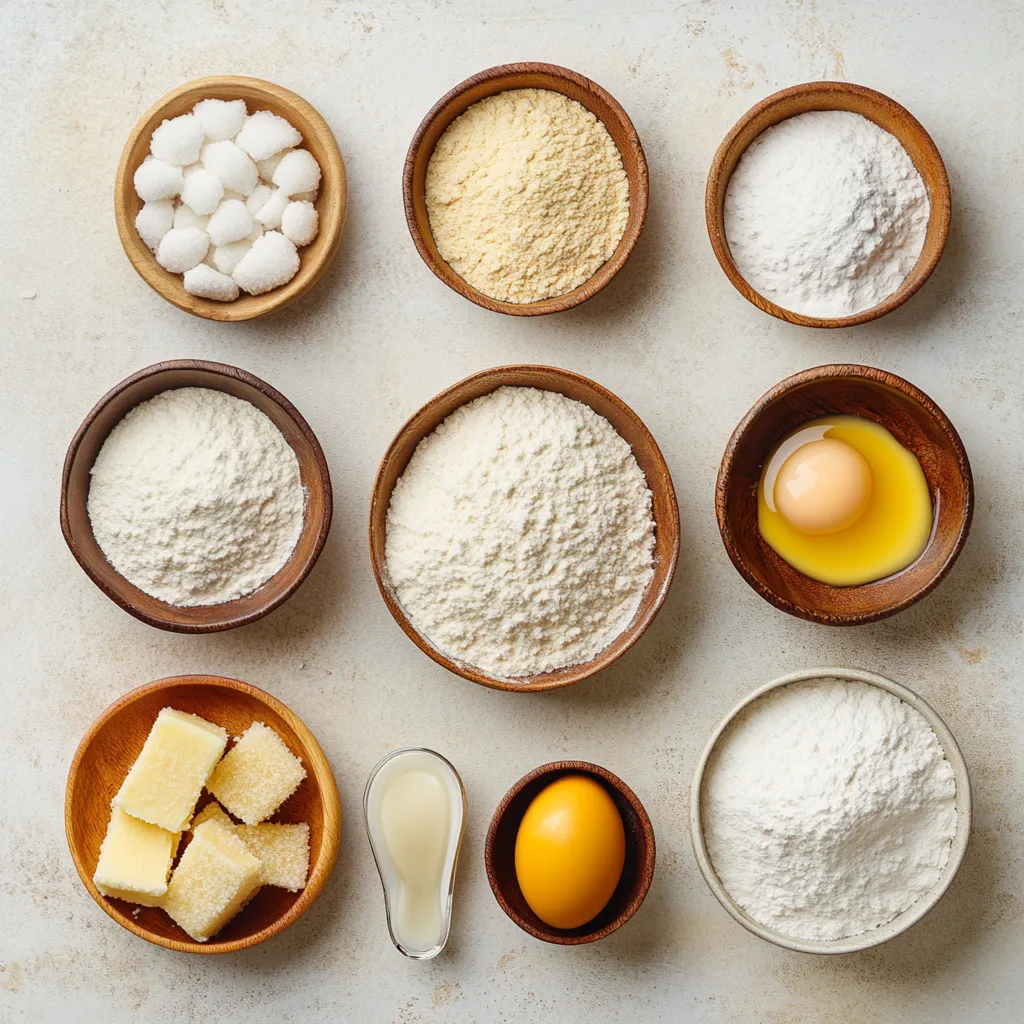
– 2 ¾ cups all-purpose flour
– 1 teaspoon baking soda
– ½ teaspoon baking powder
– 1 cup unsalted butter, softened to room temperature
– 1 ½ cups granulated sugar, plus extra for rolling
– 1 large egg
– 1 teaspoon vanilla extract
– ½ teaspoon almond extract (optional, for added depth)
– ¾ teaspoon salt
Instructions
1. Begin by preheating your oven to 350°F (175°C). Prepare two baking sheets by lining them with parchment paper for easy cleanup.
2. In a medium-sized bowl, combine the all-purpose flour, baking soda, baking powder, and salt. Whisk these dry ingredients together until they are evenly mixed. Set this bowl aside for later use.
3. In a large mixing bowl, use an electric mixer to cream the softened butter and 1 ½ cups of granulated sugar together. Beat the mixture on medium speed for about 2-3 minutes, or until it becomes light and fluffy.
4. Incorporate the egg into the butter-sugar mixture, followed by the vanilla extract and almond extract (if using). Mix until all ingredients are thoroughly combined.
5. Gradually add the prepared dry ingredients to the wet mixture, stirring gently until just combined. Avoid overmixing, as this can lead to tougher cookies.
6. Using a cookie scoop or a tablespoon, portion out the dough. Roll each piece into a ball and then roll it in the remaining ½ cup of granulated sugar until fully coated.
7. Arrange the sugar-coated dough balls on the lined baking sheets, ensuring they are spaced about 2 inches apart to allow for spreading during baking.
8. Place the baking sheets in the preheated oven and bake for 8-10 minutes. Keep an eye on them; the edges should be lightly golden while the centers should remain soft and slightly underbaked, as they will continue to firm up while cooling on the sheets.
9. After baking, allow the cookies to cool on the baking sheets for about 5 minutes. Then, gently transfer them to wire racks to cool completely.
Equipment Needed
Baking Sheets
When it comes to baking cookies, having the right kind of baking sheets makes a significant difference in the final result. Heavy-duty baking sheets are ideal as they distribute heat evenly, helping to avoid unevenly cooked cookies. Investing in quality baking sheets will lead to perfectly baked goods every time, reducing the risk of burnt bottoms or overcooked edges.
Parchment Paper
Parchment paper is a baker’s best friend. Not only does it prevent cookie dough from sticking to the baking sheet, making for easy removal after baking, but it also aids in even baking. The non-stick surface of parchment paper ensures that your chewy sugar cookies slide off effortlessly, maintaining their shape and texture without needing additional greasing, which could alter the flavor.
Mixing Bowls
For this recipe, having a set of mixing bowls in various sizes is essential. A medium-sized bowl is perfect for combining the dry ingredients efficiently, while a larger bowl is needed for creaming the butter and sugar. Using appropriately sized bowls minimizes mess and helps ensure that the ingredients blend smoothly without splashing or spilling. Furthermore, when baking, it’s good practice to have all your tools ready; this organized method will streamline your workflow.
Electric Mixer
An electric mixer is a crucial tool for achieving the perfect creamy texture when making chewy sugar cookies. The ease of mixing with an electric mixer allows for better aeration of the butter and sugar, creating a light and fluffy mixture as air is incorporated during the creaming process. This not only enhances the cookie’s final texture but also saves time and reduces the physical effort required to mix compared to a hand-held whisk.
Preparation Steps
Oven Preheating
Preheating your oven is an essential step in baking that should never be overlooked. Setting your oven to the correct temperature before you begin mixing your ingredients ensures that the environment is just right for baking. Each oven is unique, with varying heat distribution, so preheating guarantees that your cookies will begin baking in a consistent temperature zone, promoting even cooking throughout.
Line Baking Sheets
Lining your baking sheets with parchment paper before placing the cookie dough on them is a simple step that enhances both ease of use and cleanup. With parchment paper, you can avoid any potential sticking issues, which is particularly important for soft cookies. This practice not only simplifies the transfer of the cookies post-baking but also helps in maintaining an unblemished appearance as they pull away cleanly, allowing your cookies to shine.
Mixing Dry Ingredients
Combining the dry ingredients—flour, baking soda, baking powder, and salt—is a critical step. This mixing ensures that the leavening agents are evenly distributed throughout the flour, which is essential for the cookies to rise properly during baking. Whisking these ingredients together in a bowl promotes an even incorporation, minimizing the chances of clumps that could lead to uneven baking or texture issues.
Creaming Butter and Sugar
The technique behind creaming butter and sugar is pivotal to achieving the desired texture for chewy sugar cookies. This process involves beating softened butter with sugar until the mixture becomes light and fluffy. The creaming process typically takes about 2 to 3 minutes using an electric mixer at medium speed, allowing air to be incorporated, which contributes to the cookies’ rise and texture. Timing this step accurately is key; creaming for too short a time may yield dense cookies, while over-creaming can also lead to unintended results.

The order of adding eggs and extracts for optimal flavor distribution
When creating your chewy sugar cookies, it’s important to incorporate the ingredients in a sequence that ensures even flavor distribution. After creaming the butter and sugar, adding the egg first allows for proper emulsification. Once integrated, you can then add the vanilla and almond extracts. This method not only ensures that the flavors are well-blended but also that the egg is fully combined before introducing other ingredients that might change the texture if added prematurely.
Incorporating Dry Mixture
Gentle folding techniques to maintain cookie fluffiness without overmixing
When bringing the dry and wet ingredients together, the mixing technique is crucial for achieving the desired cookie texture. Use a spatula to gently fold the flour mixture into the butter-sugar mixture in portions rather than adding all at once. This prevents overworking the dough, which could lead to undesirable toughness in the final product. Aim to mix just until there are no visible flour streaks. A light hand during this stage is essential for maintaining the fluffiness and chewy texture.
Shaping the Cookies
Portioning the Dough
Using a cookie scoop vs. tablespoons for uniform cookie sizes
For consistent results and uniformity in baking, using a cookie scoop is highly recommended. A standard size cookie scoop scoops out a perfect ball of dough that is typically around 1.5 tablespoons, ensuring that all cookies bake evenly. If you do not have a cookie scoop, using a tablespoon will suffice, but take care to measure out the dough as closely as possible to maintain uniformity in size, which is essential for even baking.
Rolling in Sugar
The significance of rolling cookies in sugar for added sweetness and texture
Rolling the dough balls in granulated sugar is not merely for presentation; it plays a significant role in flavor and texture. The sugar forms a slight crust as the cookies bake, contributing a delightful crispy outer layer while the inside remains soft and chewy. This additional texture contrast enhances the overall enjoyment of the cookie by providing a pleasing bite and a sweet surface that beautifully offsets the buttery flavor.
Baking Process
Arranging on Baking Sheets
Recommendations for spacing to prevent cookies from merging during baking
Proper spacing on the baking sheets is vital for successful cookie baking. It is recommended to place the dough balls at least 2 inches apart on the sheets. This spacing allows the cookies to expand without merging into each other, assuring that each cookie bakes evenly and maintains its distinct shape. If you crowd the baking sheet, you risk having them fuse together and lose the charming roundness that characterizes chewy sugar cookies.
Timing and Monitoring
Essential tips for perfect baking times and how to check for doneness
Baking the cookies for the correct amount of time is key to creating that perfect chewy texture. Setting a timer for 8-10 minutes is ideal, but it is crucial to monitor the cookies closely after the 8-minute mark. Look for the edges to be lightly golden while the centers should appear soft and slightly underbaked. The residual heat will continue to cook the cookies as they cool, ensuring they achieve that chewy consistency you’re aiming for.
Cooling Methods
On Baking Sheets
The importance of cooling on baking sheets to prevent over-baking
Cooling the cookies on the baking sheet for about 5 minutes is an important step that helps prevent over-baking. During this time, the cookies will finish setting without the worry of them becoming overly hardened. The slight warmth of the baking sheet continues to cook the bottoms, achieving that sought-after chewy texture while the tops remain soft.
Transferring to Wire Racks
How a wire rack facilitates complete cooling and prevents sogginess
Once the initial cooling time has passed, transferring the cookies to a wire rack allows air to circulate around them, effectively cooling them completely. This is crucial for preventing sogginess, which can occur if the cookies are left on the hot baking sheet for too long. Wire racks promote even cooling and maintain the cookies’ ideal chewy texture.
Storage Tips
Storing in Airtight Containers
Best practices for keeping cookies fresh and maintaining texture
To keep your chewy sugar cookies fresh for as long as possible, store them in an airtight container at room temperature. This prevents air exposure, which can lead to drying out or becoming stale. Placing parchment paper between layers of cookies can also help in maintaining their texture and preventing sticking.
Freezing for Later
Method for freezing dough balls or finished cookies for future enjoyment
If you wish to prepare a batch ahead of time, freezing is a great option. You can either freeze the cookie dough balls or the baked cookies. For the dough, simply place the rolled balls on a baking sheet lined with parchment paper and freeze until solid. Once frozen, transfer them to a Ziploc bag, removing excess air. When ready to bake, simply add an extra minute or two to the baking time. For baked cookies, you can freeze them in an airtight container layered with parchment paper. Allow them to thaw at room temperature for the best texture.
Flavor Variations
Adding Sprinkles or Chocolate Chips
Creative ways to customize the basic sugar cookie recipe
For those looking to add a twist to their chewy sugar cookies, consider mixing in colorful sprinkles or chocolate chips into the dough before baking. These additions not only enhance the visual appeal of the cookies but also elevate the taste experience with complementary flavors. Just be sure to adjust the baking time slightly, as the additional ingredients can cause minor changes in the structure of the dough.
Using Different Extracts
Exploring other extract options for varied flavor profiles
While vanilla and almond extracts provide a classic flavor profile, experimenting with different extracts can open up a world of new tastes. Options like lemon, orange, or coconut extracts could be substituted in place of the extracts called for in the recipe. Each will impart its unique aroma and flavor, enabling you to personalize the cookies to your preference.
Pairing Suggestions
Beverages
Ideal drink pairings, such as milk or tea, to enhance the cookie experience
Chewy sugar cookies pair beautifully with a variety of beverages. For a timeless combination, serve them alongside a cold glass of milk, which complements the sweetness and richness of the cookies nicely. Alternatively, pairing them with a warm cup of tea or coffee creates a comforting experience, particularly during chilly seasons.
Serving Ideas
Aligning cookies with seasonal holidays or special events for thematic serving
When catering for special occasions, chewy sugar cookies can be dressed up or themed. Consider using festive cookie cutters to create shapes for holidays like Christmas and Halloween. You can also offer various toppings or colored sugars to match seasonal aesthetics. This creative presentation adds a special touch, making the cookies not only delicious but visually appealing as well.
Conclusion
These chewy sugar cookies embody the perfect blend of softness and buttery richness. Each bite delivers a satisfying texture with just the right amount of sweetness. With a total preparation and baking time of approximately 25 minutes, these cookies are quick to make yet leave a lasting impression on anyone who savors them.

Chewy Sugar Cookies Recipe – Soft, Buttery and Perfect Every Time
Ingredients
- 2 ¾ cups all-purpose flour
- 1 teaspoon baking soda
- ½ teaspoon baking powder
- 1 cup unsalted butter softened
- 1 ½ cups granulated sugar
- 1 large egg
- 1 teaspoon vanilla extract
- ½ teaspoon almond extract
- ¾ teaspoon salt
Instructions
- Preheat your oven to 350°F (175°C) and line two baking sheets with parchment paper.
- In a medium bowl, whisk together the flour, baking soda, baking powder, and salt.
- In a large bowl, cream the softened butter and 1 ½ cups of sugar until light and fluffy.
- Add the egg, vanilla extract, and almond extract to the butter-sugar mixture and mix well.
- Gradually stir in the dry ingredients until just combined, being careful not to overmix.
- Scoop the dough and roll each piece into a ball, then coat in the remaining sugar.
- Place the dough balls on the baking sheets, spaced about 2 inches apart.
- Bake for 8-10 minutes until the edges are lightly golden and the centers are soft.
- Cool the cookies on the baking sheets for 5 minutes before transferring to wire racks.