

Introduction
Eggs Benedict is a classic breakfast dish that has garnered a devoted following for its unique combination of poached eggs, Canadian bacon, English muffins, and creamy hollandaise sauce. The traditional preparation can be somewhat intricate, requiring precise timing and multiple components that are difficult to manage, especially when entertaining guests. This is where the Eggs Benedict Casserole comes into play, offering all the beloved flavors of the original dish with the convenience of a make-ahead casserole.
The casserole version of Eggs Benedict provides a stress-free way to enjoy this brunch favorite, particularly appealing for families or larger gatherings. With a single dish filled with layers of eggs, meat, and cheese, you can easily serve multiple plates without the fuss of individual servings. This makes it an ideal choice for brunch with friends, holiday celebrations, or any relaxed morning where you want to treat your loved ones to something special without spending too much time in the kitchen.
With its rich textures from the creamy hollandaise sauce and the satisfying bite of crisp baked edges, the Eggs Benedict Casserole is a delicious and comforting meal that everyone will adore. Each bite promises the classic mouthfeel of fluffy eggs and savory bacon, elevated by the delightful tang of Dijon mustard and the richness of sharp cheddar cheese.
Recipe Overview
– Total Time: 1 hour
– Prep Time: 15 minutes
– Bake Time: 45-50 minutes
– Yield/Servings: 8 servings
– Difficulty: Not specified in the recipe
This casserole is particularly ideal for brunch parties, special holiday mornings, or whenever you want to impress your guests with minimal effort. The combination of eggs, Canadian bacon, and hollandaise sauce offers a depth of flavor that is both satisfying and indulgent. The sharp cheddar adds a delightful creaminess to the dish, alongside a gentle crunch from the toasted edges.
Ingredients
– 8 large eggs
– 2 cups whole milk
– 1 teaspoon Dijon mustard
– 1 teaspoon sea salt
– ½ teaspoon freshly ground black pepper
– 1 cup English muffins, torn into bite-sized pieces
– 1 cup cooked Canadian bacon, diced
– 1 cup sharp cheddar cheese, shredded
– 1 tablespoon fresh chives, finely chopped (for garnish)
– 1 cup hollandaise sauce (store-bought or homemade)
Quality ingredients are crucial for achieving the best flavor and texture in this dish. Using fresh eggs, real Canadian bacon, and high-quality cheddar cheese will elevate your casserole and make a significant difference in the overall taste.
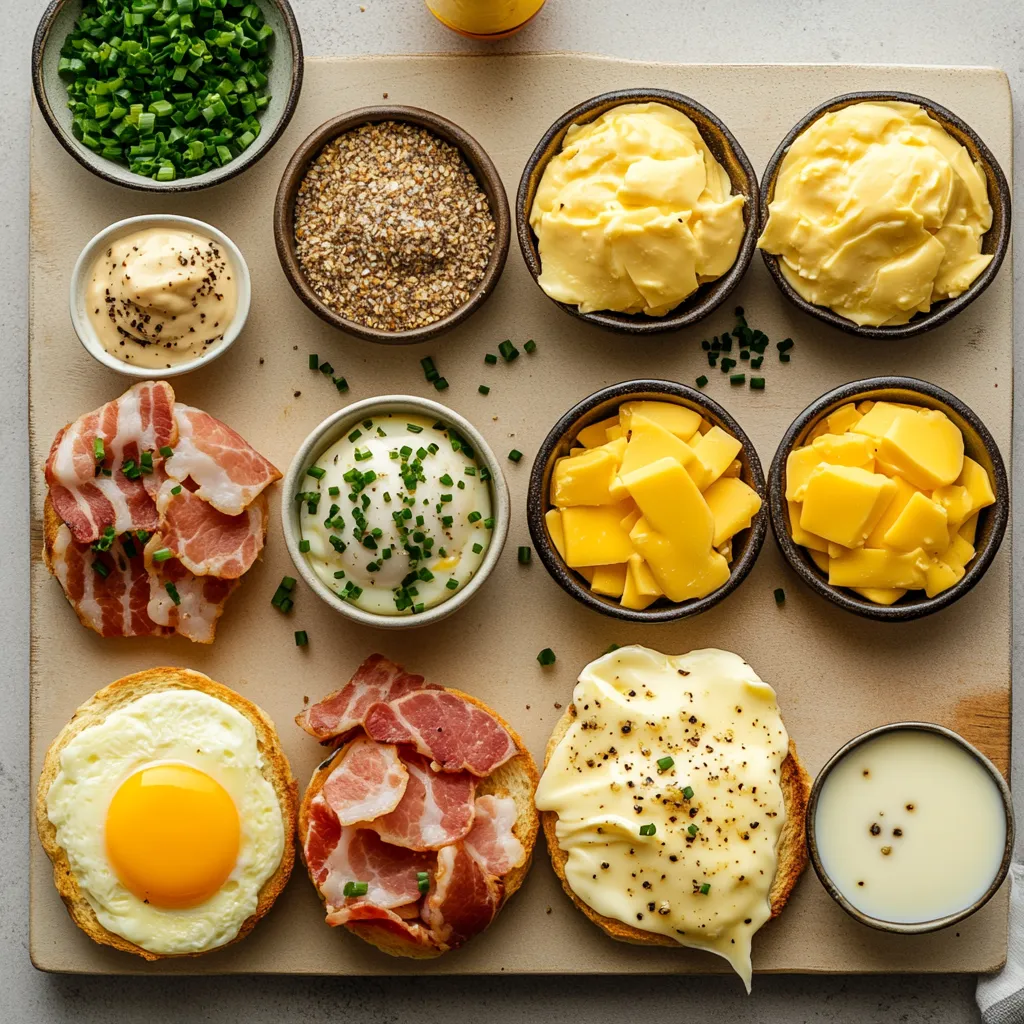
Instructions
1. Begin by preheating your oven to 350°F (175°C). Lightly grease a 9×13-inch baking dish with cooking spray or butter.
2. In a large mixing bowl, vigorously whisk together the eggs, whole milk, Dijon mustard, sea salt, and black pepper until the mixture is smooth and well incorporated.
3. Gently fold in the torn English muffin pieces and diced Canadian bacon, ensuring they are evenly coated with the egg mixture.
4. Transfer the mixture into the prepared baking dish, spreading it out evenly to create a uniform layer.
5. Generously sprinkle the shredded sharp cheddar cheese over the top of the casserole.
6. Cover the baking dish with aluminum foil and place it in the preheated oven. Bake for 30 minutes.
7. After 30 minutes, carefully remove the foil and continue baking for an additional 15-20 minutes, or until the casserole is fully set and the top is a beautiful golden brown.
8. While the casserole is baking, prepare the hollandaise sauce according to the package instructions, or get ready to make your own from scratch.
9. Once the casserole is finished baking, allow it to cool for a few minutes. Then, generously drizzle the warm hollandaise sauce over the top.
10. Finish with a sprinkle of freshly chopped chives for a pop of color and flavor. Slice the casserole into squares and serve warm, savoring every bite of this delightful Eggs Benedict Casserole!
Preparing the Casserole
Preheating the oven to the correct temperature is an essential first step when preparing the Eggs Benedict Casserole Delight. Setting the oven to 350°F (175°C) ensures that the casserole will cook evenly and thoroughly. Make sure to use a 9×13-inch baking dish, which is perfect for this quantity and will hold all the ingredients without risk of overflow.
The egg mixture serves as the base of the casserole, and whisking the eggs with whole milk, Dijon mustard, sea salt, and fresh black pepper is crucial for the overall flavor. When whisking, aim for a smooth consistency with every ingredient well incorporated; this allows the eggs to fluff up nicely while baking. Each component in this step plays a vital role: for instance, the mustard adds a subtle tang that balances the richness of the eggs and bacon.
When it’s time to incorporate the English muffins and Canadian bacon, do so gently. The intent is to fold in these ingredients, ensuring they are well-coated without overmixing or breaking apart the muffins. This technique is important to maintain the texture of the casserole and allow each bite to feature a delightful combination of flavors.
Baking Techniques
Transferring the egg and muffin mixture to the baking dish requires a bit of care. First, ensure that the mixture is evenly layered to promote even cooking throughout. Using cooking spray or butter to grease the dish not only prevents sticking but also adds flavor as the dish bakes; however, both methods are equally effective.
Covering the baking dish with aluminum foil during the initial baking period is important for trapping heat and moisture, fostering an environment where the eggs can set correctly without drying out. Once the initial 30 minutes have passed, removing the foil facilitates the browning of the cheese, enhancing both the presentation and flavor of the casserole.
Observe the casserole closely as it approaches the 45-minute mark. It should be fully set and have a beautiful golden-brown top. The layered ingredients meld nicely during cooking, and keeping an eye on the baking time will ensure that your Eggs Benedict Casserole Delight emerges from the oven perfectly cooked.

Importance of Color and Texture in the Final Steps
The finishing touches of an Eggs Benedict Casserole Delight are crucial for both visual appeal and sensory experience. As the casserole bakes, it develops a beautiful golden-brown top that signals a well-cooked dish. The contrast between the crispy exterior and the creamy, soft interior enhances the enjoyment of each bite. A sprinkle of vivid green chives just before serving adds brightness and an inviting aspect to the dish, inviting guests to dig in.
When assessing doneness, keep an eye on the color. A golden hue across the surface typically means that the casserole has formed that desired crust. Additionally, the texture will help confirm that the casserole is fully set, with a slight bounce when touched.
Identifying When the Casserole is Fully Set
Understanding when your casserole is ready can be a bit challenging. You want to ensure that the center is not jiggy, which signals undercooking. A fully set casserole will have a firm top and, upon probing gently in the center with a knife or toothpick, should come out clean. If it’s still a bit wet or loose, it may need a few more minutes in the oven.
A helpful tip is to look for the bubbly edges indicating that the liquid egg mixture has firmed up properly, giving you a clear visual cue that it’s time to check for doneness or to add more cooking time.
Making the Hollandaise Sauce
Store-bought vs. Homemade
Choosing between store-bought and homemade hollandaise sauce can significantly impact the flavor profile of your Eggs Benedict Casserole Delight. Store-bought hollandaise is convenient and often consistent in flavor, making it a great option for busy cooks. However, it may lack the fresh, tangy taste that homemade sauces can provide.
Pros and Cons of Each Option
Store-bought hollandaise saves time, requires no cooking skills, and has a longer shelf life. However, it often contains preservatives, and some may find the flavor too commercial or bland. Homemade hollandaise offers superior taste and freshness, but it requires time and attention to prepare correctly.
Simple Instructions for Making It from Scratch
To create your own hollandaise sauce, start by whisking three egg yolks and one tablespoon of lemon juice together in a heatproof bowl. Place the bowl over a saucepan of simmering water, ensuring the bottom isn’t touching the water. Gradually add 1 cup of melted unsalted butter while whisking continuously until the mixture thickens. Season with salt and a dash of cayenne pepper, if desired, for an extra kick.
Tips for Perfect Hollandaise
Achieving the perfect hollandaise can be tricky; here are some essential tips:
– Ensure that your bowl isn’t too hot at the start. If it is, your egg yolks can cook too quickly.
– Whisking continuously is crucial to prevent the eggs from curdling.
– Maintain a gentle simmer in the water below; vigorous boiling may lead to an uneven sauce.
Common Pitfalls and How to Avoid Them
Common mistakes include overheating, resulting in scrambled eggs instead of a smooth sauce, or not whisking enough while adding butter. To remedy a sauce that has split, whisk in a teaspoon of cold water or a fresh egg yolk to bring it back together.
Importance of Temperature and Timing
The temperature of your ingredients plays a significant role. Start with room temperature eggs and butter for the hollandaise sauce to ensure smooth blending. Also, serve the sauce immediately after preparing it, as it can lose its creamy consistency if left sitting too long.
Serving Suggestions
Plating the Casserole
When ready to serve, use a sharp knife to create clean slices in the casserole dish to avoid the pieces falling apart. A pie server or spatula can help lift pieces without damaging the undisturbed others. Consider plating individual portions on warm plates for an elegant presentation.
Techniques for Cutting and Serving
Allow the casserole to cool for a few minutes after taking it out of the oven to secure its shape. The best way to cut is a simple up-down motion without sawing, which helps maintain the casserole’s structural integrity.
Ideas for Presenting the Dish Attractively
Enhance the presentation by serving the casserole on a large wooden board or elevated platter. Add a few sprigs of fresh herbs around the edges for a garden-like feel, or a side of vibrant, seasonal fruit can provide a bright contrast to the warm casserole.
Garnishing with Chives
Fresh chives not only offer a bright green hue but also a subtle onion flavor, elevating the dish’s taste. Snip chives just before serving to maintain maximum freshness.
Benefits of Using Fresh Herbs
Including fresh chives or alternative herbs like parsley or dill not only adds color but also an aromatic element that enriches the overall flavor experience.
Alternative Garnish Options for Variation
For a twist, you might consider garnishing with crumbled bacon, diced tomatoes, or a sprinkle of smoked paprika for an added visual layer and flavor complexity.
Pairing with Sides
To complement the casserole, consider serving with fresh fruit, a mixed green salad, or roasted vegetables, creating a well-rounded and colorful meal. A light, zesty dressing on salad can brighten the palate after the rich flavors of the casserole.
How to Create a Balanced Brunch Plate
Ensure there is a good mix of flavors, colors, and textures on the plate. Balance the rich casserole with refreshing fruit, and consider pairing it with a light beverage, such as mimosa or herbal iced tea, for a delightful brunch spread.
Flavor Profile
Overview of Taste Combinations
Eggs Benedict Casserole Delight harmonizes rich, creamy elements with bold, savory flavors. The mild richness from the eggs and milk lays a perfect foundation for the sharper notes of cheddar cheese.
Creaminess from the Eggs and Queso
Expect a luscious mouthfeel from the custardy mixture contributed by the eggs and dairy, beautifully contrasted by the melty cheese on top, providing an incredibly pleasing texture.
Savory Notes from Canadian Bacon
The salty, savory profile of Canadian bacon complements the creaminess, creating balance and depth in every mouthful.
Brightness from Hollandaise and Chives
The hollandaise adds a tangy warmth that cuts through the richness, while fresh chives provide a kick of herbal brightness, ensuring the dish isn’t overly heavy.
Ingredient Interaction for Maximum Flavor
The interplay of these flavors works to create a symphony on your palate, with each ingredient enhancing the others for a deliciously cohesive meal.
Texture and Consistency
Expected Texture of the Casserole
Expect a delightful contrast in textures: a creamy interior that feels luscious against the slightly crisp, golden top.
Creamy Interior vs. Crusty Top
The desired outcome is a rich, moist filling, with a slight crust or bite at the top, providing a delightful interplay between soft and crunchy elements.
Importance of Ingredient Ratios
Ratios of eggs to milk and bread are essential for reaching that creamy texture versus a more omelet-like outcome; following the specified amounts ensures success.
Discussion of Meltiness from Cheese
The cheddar cheese should melt beautifully across the surface, creating a gooey, inviting crust that adds savory satisfaction.
Dietary Considerations
Adaptability of the Recipe
While the recipe is delicious as outlined, it’s adaptable to cater to various dietary needs.
Suggestions for Gluten-free Alternatives
For a gluten-free version, consider using gluten-free English muffins to replicate the bread element without compromising on texture.
Vegetarian Options Replacing Bacon
Replace Canadian bacon with sautéed mushrooms or spinach for a vegetarian alternative that still provides a satisfying umami flavor.
Timing and Meal Prep
Breakdown of Preparation and Cooking Time
The recipe specifies a preparation time of around 15 minutes and cooking time ranging from 45 to 50 minutes, totaling one hour.
Efficient Ways to Prep in Advance
To streamline the process, prep the egg mixture and layer it with the English muffins and bacon the night before. Refrigerate overnight, then add cheese before baking in the morning.
Ideal Timeframes for Serving for Brunch or Gatherings
For brunch gatherings, aim to serve your casserole freshly baked within 15 to 20 minutes after taking it out of the oven for optimal texture and flavor, allowing time for the flavors to meld nicely.
Conclusion
Eggs Benedict Casserole Delight combines rich, creamy textures with savory, bright flavors, ideal for any brunch setting. With a total preparation and cooking time of one hour, this dish serves as a convenient yet impressive meal for multiple guests, ensuring everyone can enjoy the delightful taste and satisfying creaminess.

Eggs Benedict Casserole Delight Recipe
Ingredients
- 8 large eggs
- 2 cups whole milk
- 1 teaspoon Dijon mustard
- 1 teaspoon sea salt
- ½ teaspoon freshly ground black pepper
- 1 cup English muffins torn into bite-sized pieces
- 1 cup cooked Canadian bacon diced
- 1 cup sharp cheddar cheese shredded
- 1 tablespoon fresh chives finely chopped (for garnish)
- 1 cup hollandaise sauce
Instructions
- Preheat your oven to 350°F (175°C) and grease a 9x13-inch baking dish.
- In a large bowl, whisk together eggs, milk, mustard, salt, and pepper until smooth.
- Fold in the torn English muffins and diced Canadian bacon until evenly coated.
- Transfer the mixture to the baking dish, spreading it out evenly.
- Sprinkle shredded cheddar cheese over the top of the casserole.
- Cover with aluminum foil and bake for 30 minutes.
- Remove the foil and bake for an additional 15-20 minutes until golden brown.
- Prepare hollandaise sauce according to package instructions or make from scratch.
- Allow the casserole to cool slightly, then drizzle with hollandaise sauce.
- Garnish with chopped chives, slice, and serve warm.