
Introduction
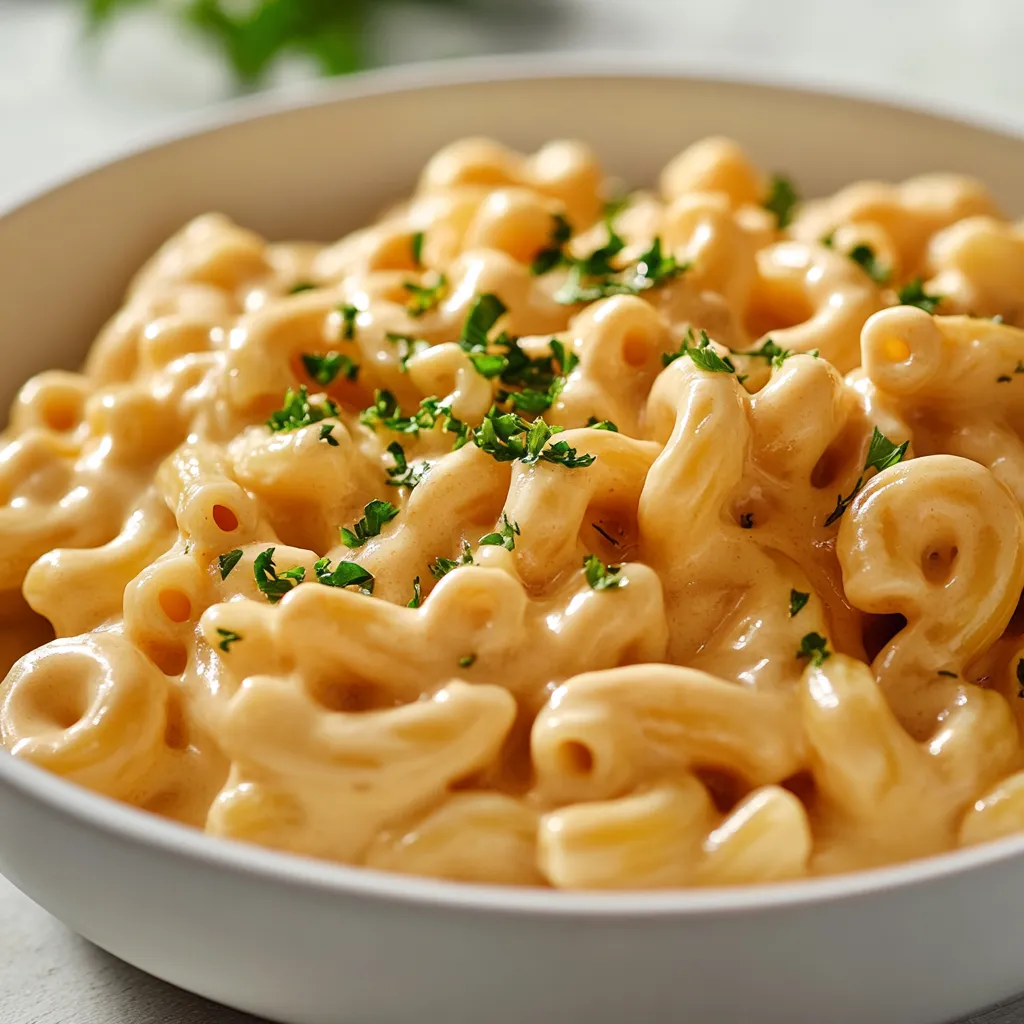
Stovetop macaroni and cheese is a quintessential comfort food that holds a special place in the hearts of many. This dish is a symphony of creamy, cheesy goodness that comes together in a matter of minutes, making it an ideal choice for weeknight dinners or cozy gatherings. One of the greatest appeals of this stovetop version is its ability to deliver a velvety texture and rich flavor without the need for a lengthy baking process. The creamy sauce clings to the pasta, creating an indulgent experience that feels both satisfying and nostalgic.
The comfort factor of macaroni and cheese cannot be overstated. It is a dish that transcends generations, offering both young and old a sense of warmth and familiarity. Whether you savor it as a side dish or enjoy it as a main course, this homemade version is sure to please. The addition of sharp cheddar and Parmesan cheeses creates a balanced flavor profile that delights the palate, while the optional cayenne pepper adds a subtle kick, perfect for those who enjoy a hint of spice.
While this recipe is already wonderfully comforting, the world of macaroni and cheese is vast and ripe for customization. From introducing different types of cheese to adding vegetables like broccoli or proteins such as chicken, the possibilities are endless. This stovetop macaroni and cheese acts as a perfect canvas for your culinary creativity.
Recipe Overview
– Total Time: 25 minutes
– Servings: 4
– Difficulty: Not specified in the recipe
Ingredients
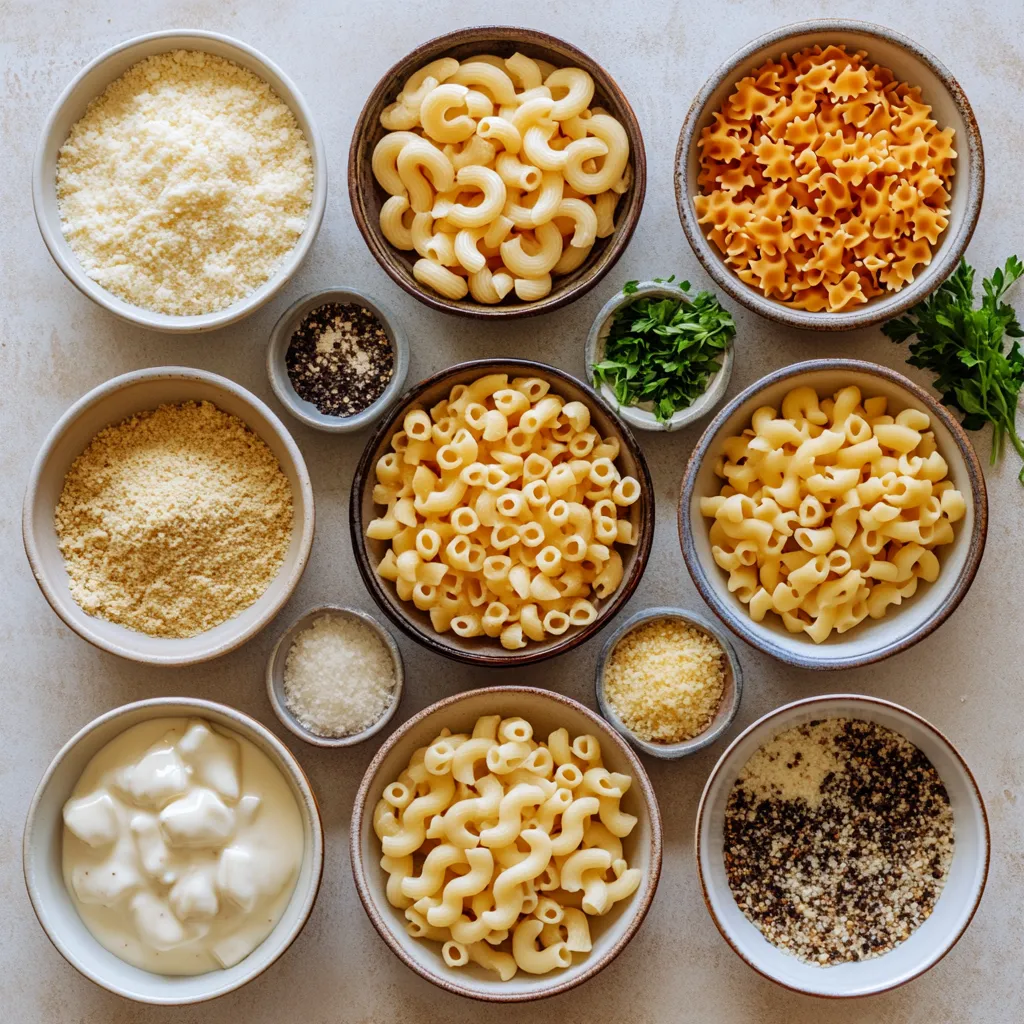
– 8 ounces elbow macaroni
– 4 cups water
– 1 teaspoon salt
– 2 tablespoons unsalted butter
– 2 tablespoons all-purpose flour
– 2 cups whole milk
– 1 teaspoon Dijon mustard
– 1/2 teaspoon garlic powder
– 1/2 teaspoon onion powder
– 1/4 teaspoon cayenne pepper (optional)
– 2 cups shredded sharp cheddar cheese
– 1/2 cup grated Parmesan cheese
– Freshly ground black pepper, to taste
– Chopped fresh parsley, for garnish (optional)
The quality of ingredients is crucial in elevating the taste of this dish. Freshly shredded cheeses not only melt better than pre-packaged varieties but also enhance the creaminess of the sauce. Additionally, using whole milk rather than lower-fat options provides a richer, more satisfying flavor. For those wishing to add a personal touch, consider incorporating optional ingredients like cayenne pepper for a spicy kick or additional herbs for a flavor boost.
Instructions
1. Cook the Pasta: In a large pot, bring 4 cups of water to a rolling boil. Add the teaspoon of salt followed by the elbow macaroni. Cook according to the package instructions until the pasta is al dente. Once cooked, drain the macaroni and set it aside.
2. Make the Roux: In the same pot, melt the unsalted butter over medium heat. Once melted, sprinkle in the all-purpose flour. Whisk continuously for about 1 to 2 minutes until the mixture becomes golden and bubbly; this forms your roux.
3. Incorporate the Milk: Gradually pour in the whole milk while whisking constantly to prevent any lumps from forming. Continue to cook and stir the mixture for about 3 to 5 minutes, or until it thickens to a creamy consistency.
4. Season the Sauce: Stir in the Dijon mustard, garlic powder, onion powder, and cayenne pepper (if you like a bit of heat). Mix thoroughly to ensure all the ingredients are well combined.
5. Melt the Cheeses: Lower the heat to a gentle simmer and incorporate the shredded sharp cheddar and grated Parmesan cheese into the sauce. Stir continuously until the cheeses are fully melted and the sauce is luxuriously smooth and creamy.
6. Combine Pasta and Sauce: Add the drained macaroni to the cheese sauce, gently stirring to coat each piece of pasta evenly. If the sauce appears too thick, you can add a splash of milk to achieve your preferred creaminess.
7. Final Touches: Season with freshly ground black pepper according to your taste. For an added touch of freshness, sprinkle chopped parsley over the top.
8. Serve: Serve your creamy stovetop macaroni and cheese immediately while it’s hot. Enjoy the delightful, cheesy goodness!
Cooking Method
Cooking stovetop macaroni and cheese is an efficient technique that guarantees a creamy texture without the wait associated with baking. By preparing the cheese sauce directly in the same pot where the pasta is cooked, you streamline the entire process, reducing cleanup and maximizing flavor absorption.
Stovetop methods enable you to closely monitor the consistency of the cheese sauce. You have the flexibility to adjust heat levels, ensuring the cheese melts evenly, and the flavors meld perfectly. Additionally, making your sauce on the stovetop allows you to add ingredients like spices or herbs in real time, enhancing the depth of flavor as you go along. This approach not only saves time but results in a superior dining experience, highlighting the creamy essence that macaroni and cheese is celebrated for.
Cooking the Pasta
Choosing the right pot is crucial for cooking pasta effectively. A large, heavy-bottomed pot should be used to prevent water from boiling over and to facilitate even cooking. The key step in cooking elbow macaroni is to bring water to a rolling boil before adding the pasta. This helps the pasta to cook uniformly, ensuring that every piece becomes al dente.
Salting the water is another important tip; it enhances the flavor of the macaroni. The rule of thumb is to use about a tablespoon of salt for every 4 quarts of water, but this recipe specifies just a teaspoon, which is still adequate for flavor enhancement. When cooking elbow macaroni, you want to pay attention to the recommended cook time on the package and taste the pasta a minute or two early to check for doneness. Properly checking for al dente helps maintain a nice bite to the pasta, which is essential in a creamy macaroni and cheese dish.
Perfectly cooked pasta is vital for achieving the right texture in your stovetop macaroni and cheese. Properly al dente pasta will not only absorb the flavors of the cheese sauce better but will also contribute to the overall creaminess and cohesiveness of the dish.
How to Identify When the Sauce is Thick Enough
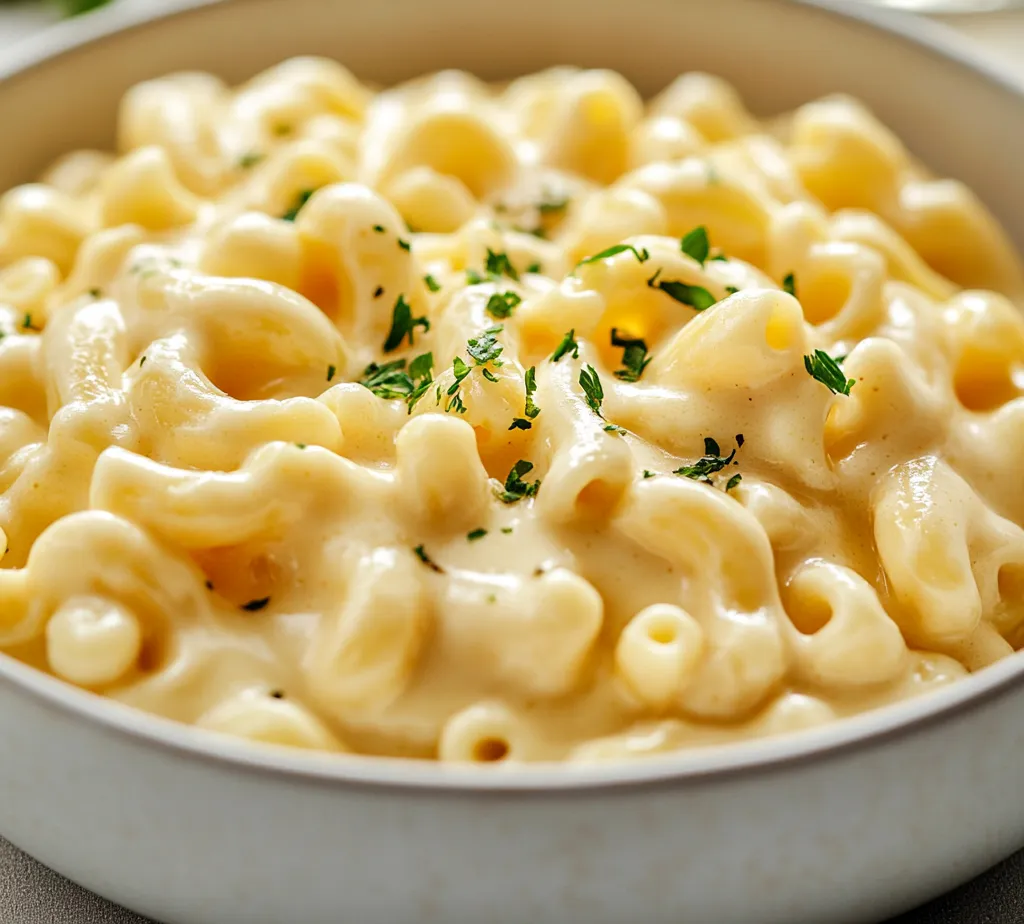
Determining the right thickness for your cheese sauce is crucial for achieving that luscious, creamy texture characteristic of perfect macaroni and cheese. As the sauce simmers after adding the milk, you should observe a gradual thickening. A good indicator is that when you dip a spatula into the sauce and run your finger through it, the line should remain fairly clear for a couple of seconds before the sauce fills in. You’re looking for a consistency that coats the back of a spoon, which is ideal for adhering to the macaroni.
Seasoning the Cheese Sauce
Overview of Flavor Enhancers: Dijon Mustard, Garlic Powder, and Onion Powder
The seasoning phase is where the macaroni and cheese transforms from plain to extraordinary. Each of these enhancers plays a critical role in building flavor depth. Dijon mustard adds a subtle tanginess, balancing the richness of the cheese. Garlic powder provides an aromatic kick, lending warmth to the overall dish—an essential note that harmonizes beautifully with the savory cheeses. Onion powder supplements this with a hint of sweetness and savory complexity, inviting another layer of flavor that enriches the experience.
Optional Addition of Cayenne Pepper for Heat
For those who enjoy a touch of spice, cayenne pepper is an excellent option. It doesn’t just add heat; when used sparingly, it can enhance the overall flavor profile without overpowering the classic cheese taste. If you’re unsure about the heat level, start with a pinch, and you can always add more to suit your taste.
Balancing Flavors for a Rich Cheese Sauce
To ensure a well-rounded flavor, it’s important to taste your sauce as you season. The ideal cheese sauce should not only be cheesy but have an inviting depth, thanks to those added flavor enhancers. Adjust the seasoning if necessary, incorporating salt and pepper incrementally, and remember that cheese can also bring a certain saltiness to the dish. Balanced seasoning is key to achieving a rich and fulfilling taste.
Melting the Cheeses
Choosing the Right Cheese Blend
The choice of cheese is central to the success of your macaroni and cheese. Sharp cheddar is a popular choice due to its strong flavor profile and excellent melting qualities. However, blending it with Parmesan cheese adds complexity—this cheese not only enhances the savory notes but also contributes to the overall creaminess. For those who prefer milder flavors, using a combination of medium cheddar and mozzarella offers a delightful creaminess without overwhelming intensity.
Step-by-Step Instructions for Melting Cheddar and Parmesan
When melting cheese, it’s essential to maintain a low to medium heat to avoid the cheese separating or becoming grainy. Start with the cheddar, allowing it to melt slowly into the thickened sauce, ensuring it becomes fully integrated before adding the Parmesan. Stir continuously with a wooden spoon or heat-safe spatula to ensure even melting, which will yield a uniform, creamy sauce.
Visual Cues for the Perfect Cheese Sauce
The perfect cheese sauce has a smooth, glossy appearance when fully melted. It should flow easily but maintain enough thickness to cling to the pasta. If you notice clumpy cheese, it may be due to overheating; in this case, lowering the heat and stirring vigorously can help restore the emulsion.
Combining Pasta and Sauce
Techniques for Combining Pasta with Cheese Sauce
Incorporating the pasta with the cheese sauce is a straightforward yet crucial step. First, ensure that the macaroni is well-drained to avoid excess water diluting your sauce. Pour the drained pasta directly into the cheese sauce and use a spatula or wooden spoon to gently mix, ensuring each piece is evenly coated. A folding motion works well here to prevent breaking the macaroni while achieving a thorough distribution of cheese sauce.
How to Adjust Sauce Consistency
If you find that your sauce has thickened excessively after combining with the macaroni, a splash of milk can easily rectify this. Gradually add milk, stirring continuously, until you achieve your desired creaminess. Remember that the stovetop cooking will continue to thicken the sauce, so erring on the side of slightly thinner at this stage can lead to the perfect texture once serving.
Tips for Ensuring Even Coating of Pasta
To ensure that every piece of pasta is enveloped in the creamy sauce, after combining, let the mixture sit for a minute before stirring again. This rest period allows the sauce to cling to the macaroni better, enhancing the overall experience of every satisfying bite.
Final Touches
The Role of Black Pepper in Enhancing Flavor
Freshly ground black pepper serves as the final seasoning touch, providing a zesty bite against the creaminess of the cheese. Just a few cracks of the grinder can elevate the flavor profile significantly. Always taste after seasoning to adjust the pepperiness to your preference.
Options for Garnishing with Fresh Parsley
For an appealing finish, chopped fresh parsley not only adds a pop of color but also introduces a mild herbal freshness that contrasts nicely with the richness of the dish. It can also enhance the visual appeal, making your macaroni and cheese even more inviting.
Suggestions for Extra Flavor Variations
For individuals looking to personalize their dish, consider addition of other ingredients like crispy bacon bits, caramelized onions, or roasted vegetables, each adding their distinct flavor and texture. These can be folded into the cheese sauce along with the cooked macaroni for an exciting twist on the classic recipe.
Presentation Tips
Creative Ways to Serve Macaroni and Cheese
Serving macaroni and cheese can be as creative or straightforward as you desire. Individual portions in ramekins or small cast-iron skillets can add a rustic charm, while a family-style serving in a large dish encourages sharing.
Utilizing Bowls and Garnishes for Visual Appeal
For a visually appealing presentation, layer the macaroni and cheese with extra cheese on top and broil briefly for a crispy, golden crust. A sprinkle of freshly chopped parsley or even a dusting of paprika can enhance the visual contrast.
Serving Suggestions for Different Occasions
Macaroni and cheese serves as a comforting weeknight meal, but it can easily transition into a side dish for a barbecue or potluck. Pair it with a simple salad or grilled meat to balance the richness, creating a hearty, satisfying meal.
Storage and Reheating Instructions
Best Practices for Storing Leftover Macaroni and Cheese
Leftover macaroni and cheese can be stored in an airtight container in the refrigerator for 3–5 days. Ensure it’s cooled down before sealing to prevent condensation, which could affect its texture.
Reheating Tips to Maintain Creaminess
To reheat, transfer the macaroni and cheese into a saucepan and add a splash of milk or cream to help revive the creaminess. Heat over low to medium temperature, stirring often until warmed through. Avoid high heat, as it may cause the cheese to separate.
Ideas for Transforming Leftovers into New Dishes
Leftovers can easily be transformed into delicious new meals. Consider using it as a filling for stuffed peppers, mixed into a casserole with vegetables, or even baked in a dish topped with breadcrumbs for added texture—reimagining this classic can be both creative and enjoyable.
Conclusion
The irresistibly creamy stovetop macaroni and cheese boasts a perfect balance of flavors and a luxurious texture, making it a comforting meal that can be prepared in just 25 minutes. With its delightful blend of sharp cheddar and Parmesan, each bite is a cheesy delight that warms the heart. Through careful attention to details in preparation and presentation, this dish can shine in any dining scenario.
Irresistibly Creamy Stovetop Macaroni and Cheese
Ingredients
- 8 ounces elbow macaroni
- 4 cups water
- 1 teaspoon salt
- 2 tablespoons unsalted butter
- 2 tablespoons all-purpose flour
- 2 cups whole milk
- 1 teaspoon Dijon mustard
- ½ teaspoon garlic powder
- ½ teaspoon onion powder
- ¼ teaspoon cayenne pepper
- 2 cups shredded sharp cheddar cheese
- ½ cup grated Parmesan cheese
- freshly ground black pepper
- chopped fresh parsley
Instructions
- In a large pot, bring 4 cups of water to a rolling boil and add salt and macaroni.
- Cook the macaroni until al dente, then drain and set aside.
- In the same pot, melt the butter over medium heat and whisk in the flour for 1-2 minutes.
- Gradually add the milk while whisking to prevent lumps, cooking until thickened.
- Stir in Dijon mustard, garlic powder, onion powder, and cayenne pepper.
- Lower heat and add cheddar and Parmesan cheese, stirring until melted and smooth.
- Combine the drained macaroni with the cheese sauce, stirring to coat evenly.
- Season with black pepper and garnish with parsley if desired.
- Serve immediately while hot.