
Introduction
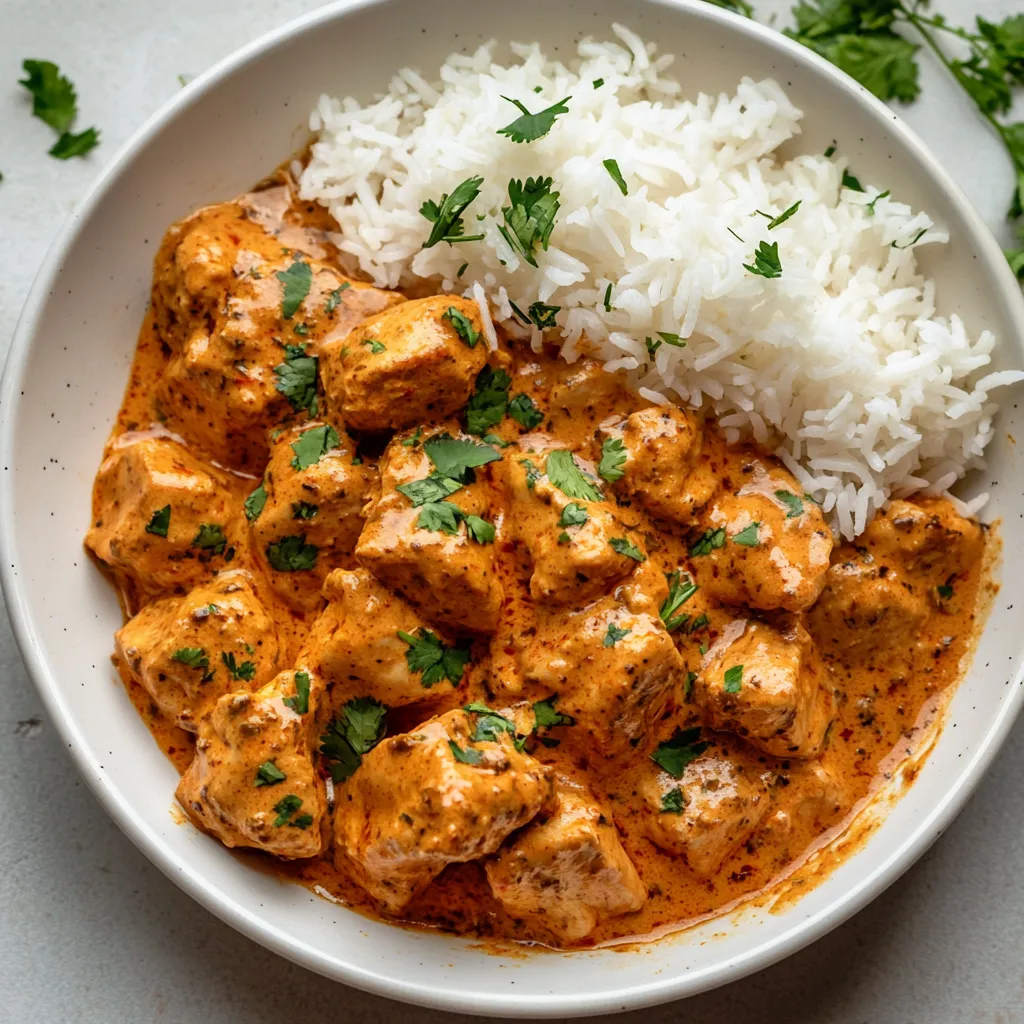
Butter Chicken, or Murgh Makhani, is a classic dish that hails from the bustling kitchens of North India. It has garnered acclaim worldwide for its rich, creamy texture and aromatic blend of spices. Originating from the Mughlai cuisine, Butter Chicken epitomizes comfort food with its luscious sauce enveloping tender chicken pieces, making it a beloved choice for family dinners or special occasions.
What sets this Butter Chicken apart is its melt-in-your-mouth quality, achieved through a beautifully crafted marinade and a well-rounded sauce. The marination imparts a deep, flavorful base, while the cooking technique ensures that the chicken remains juicy and succulent. It’s often served with basmati rice or warm naan, allowing you to savor every drop of this delicious sauce.
Ideal for gatherings, Butter Chicken invites everyone to gather around the table, sharing the warmth and delight it brings. Whether you’re hosting a dinner party or simply indulging in a cozy meal at home, this dish promises smiles all around.
Recipe Overview
– Total Time: 40 minutes
– Prep Time: 15 minutes
– Cooking Time: 25 minutes
– Servings: 4
– Difficulty: Not specified in the recipe
Butter Chicken is celebrated for its balance of flavors and textures. The creamy sauce is rich and velvety, with the spices providing warmth and depth. Coupled with the tender chicken, the dish offers a delightful contrast that keeps food lovers coming back for more.
Ingredients
– 1 lb (450g) boneless chicken thighs, chopped into bite-sized pieces
– 1 cup plain yogurt (preferably Greek for thickness)
– 2 tablespoons fresh lemon juice
– 2 teaspoons garam masala spice blend
– 1 teaspoon turmeric powder
– 1 teaspoon red chili powder (adjust for spice preference)
– 1 teaspoon salt (or to taste)
– 3 tablespoons unsalted butter
– 1 medium onion, finely diced
– 4 cloves of garlic, minced
– 1 inch piece of fresh ginger, grated
– 1 can (14 oz) crushed tomatoes (preferably no salt added)
– 1 cup heavy cream
– 1 tablespoon sugar (to balance acidity)
– Fresh cilantro leaves, chopped, for garnish
– Cooked basmati rice or warm naan, for serving
Marinating the Chicken
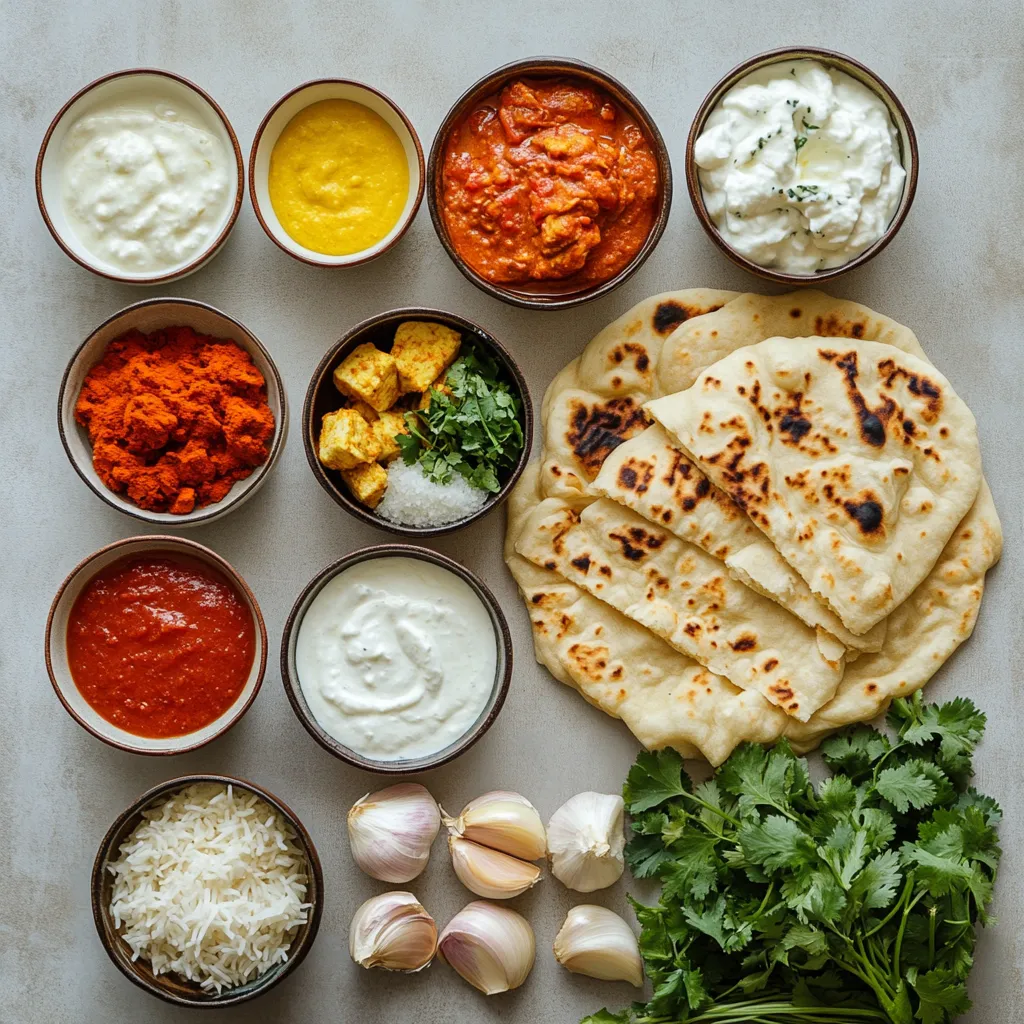
Marinating is a crucial step in preparing Butter Chicken, allowing the chicken to soak up the tangy yogurt and spice blend. This process enhances the flavor profile and contributes to the meat’s tenderness.
Choosing the Right Yogurt
Using Greek yogurt is recommended for this recipe as its thickness helps to coat the chicken pieces beautifully, ensuring they absorb the flavors of the marinade effectively. The acidity of the yogurt also plays an essential role in tenderizing the chicken, breaking down the proteins for a softer texture.
The Role of Spices in Marinade
In the marinade, the garam masala creates a warm, earthy flavor, while the turmeric powder imparts a golden hue, and the red chili powder adds a kick of heat. These spices are not just for flavor; they also define the aromatic profile that is characteristic of Indian cuisine. This balanced blend makes each bite of Butter Chicken a delectable experience.
Marination Time and Method
For optimal flavor, marinate the chicken for at least one hour, though overnight is ideal if time permits. This extended duration allows the complex flavors to permeate the meat deeply. When marinating, ensure that all chicken pieces are evenly coated, and cover the bowl to prevent contamination or drying out.
Cooking the Chicken
Achieving perfectly cooked chicken is vital to crafting a delightful Butter Chicken. This involves careful attention during the cooking process to ensure juiciness and flavor retention.
Selecting the Right Cooking Fat
Using unsalted butter in this recipe not only allows you to control the salt content but also enriches the dish’s overall flavor. Butter adds a luscious mouthfeel and complexity, enhancing the creamy sauce that defines Butter Chicken.
Browning the Chicken
The cooking method begins by sautéing the marinated chicken until browned. This step is essential, not just for color, but also because browning develops a rich depth of flavor. Remember to discard any leftover marinade to avoid overwhelming the dish with moisture.
Proper Cooking Techniques
The chicken should be cooked for approximately 8-10 minutes, stirring occasionally until it’s nicely browned and cooked through. You will know the chicken is adequately cooked when it is no longer pink on the inside and registers an internal temperature of 165°F. This careful cooking ensures the chicken remains juicy, preventing it from becoming dry or overcooked.
Sautéing the Aromatics
The base of the sauce begins with aromatic ingredients. These elements are crucial for building layers of flavor, making the dish all the more enticing.
Choosing the Right Onion
For Butter Chicken, a medium onion, finely diced, is key. Onions provide sweetness and depth, transforming from sharp and pungent to soft and buttery when sautéed. Aim to sauté until the onions become soft and translucent, a process that typically takes about 5-7 minutes.
Garlic and Ginger: The Perfect Pair
Garlic and ginger work in tandem to elevate the flavor profile of your Butter Chicken. Their pungency complements the creaminess of the sauce and moonlights as a fragrance. Properly mincing garlic and grating ginger ensures that they dissolve into the sauce, releasing their essential oils and flavors efficiently.
Aroma Development
You can assess when the aromatics are ready by their golden color and fragrant aroma wafting through your kitchen. This indicates that the onions have caramelized enough, and the garlic and ginger have become aromatic without burning, which can lead to bitterness in the sauce.
Preparing the Sauce
Crafting the sauce is a meticulous process that further elevates the dish, creating a rich and creamy experience.
Selecting the Right Tomatoes
Crushed tomatoes form the backbone of the sauce, contributing acidity and body. Opting for tomatoes without added salt is essential to regulate the overall seasoning of the dish. The tomatoes not only add flavor but also balance the richness of the heavy cream that follows.
Simmering for Flavor Fusion
Allow the sauce to simmer gently after adding the crushed tomatoes, about 10 minutes, so the flavors meld beautifully. This step is important as the simmering softens the tomatoes and allows their natural sweetness to develop, creating a vibrant and cohesive sauce.
Through these carefully crafted techniques and attention to detail, you can create a Butter Chicken that is nothing short of spectacular, ready to impress at the dinner table. The forthcoming steps will guide you through finishing this delightful dish, pulling together all the components for a savory and satisfying meal.
The importance of letting the sauce simmer
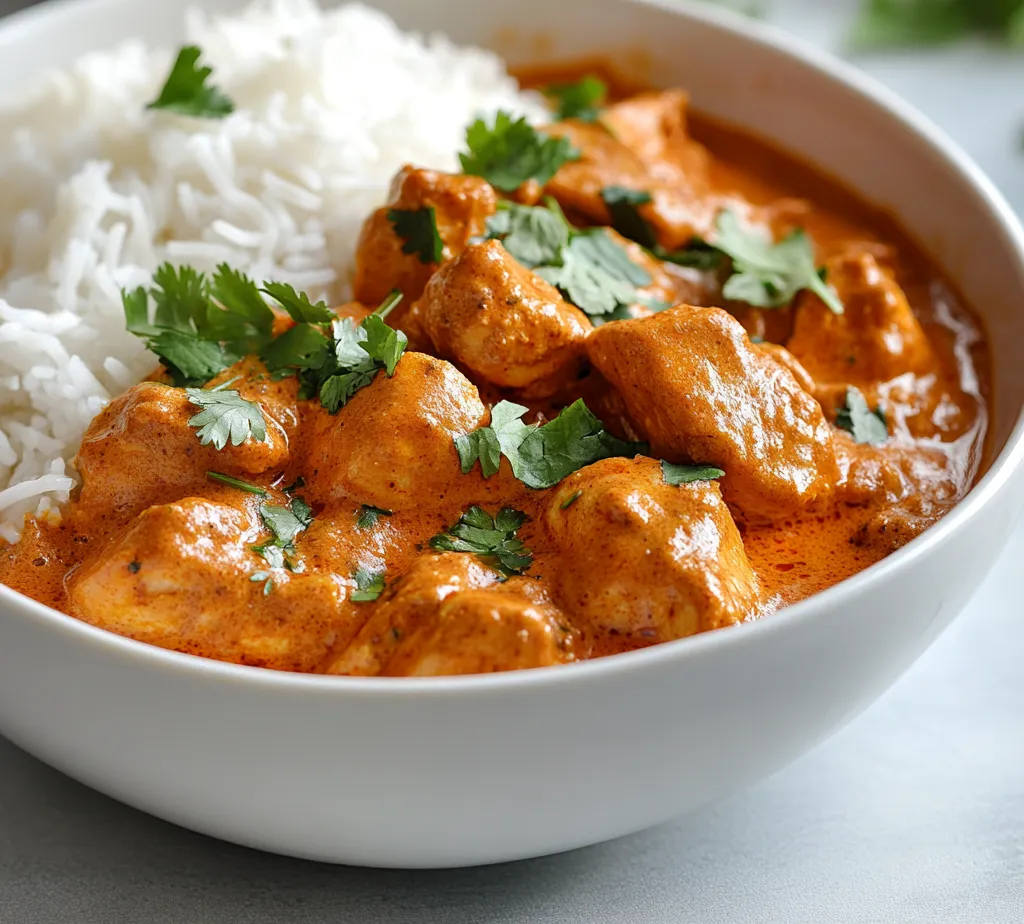
Simmering the sauce is a crucial step in preparing Melt-in-Your-Mouth Butter Chicken Delight. Allowing the sauce to simmer for a specified duration allows the flavors of the tomatoes, spices, and aromatics to meld together harmoniously. The low heat promotes gentle cooking, which helps to develop deeper flavors while also softening the acidity of the tomatoes, creating a rich base for the creamy elements to follow.
Signs that your sauce is ready for the next step
You’ll know your sauce is nearing readiness when the mixture reduces slightly, turning a vibrant red color, and the oil starts to separate from the sauce. Additionally, the aroma of the spices should be prominent, indicating that they have released their full flavor potential. If the sauce appears watery or too acidic, allowing it to cook for a few extra minutes can help concentrate the flavors further before you add the cream.
Adjusting Acidity with Sugar
The role of sugar in balancing flavors
In this recipe, sugar plays a vital role in balancing the acidity derived from the tomatoes. The sweetness not only counters the tartness but also enhances the overall flavor profile of the dish, giving a more rounded taste experience. When cooking, particularly with acidic ingredients like tomatoes, a touch of sugar is essential to create a well-balanced dish that is both savory and slightly sweet.
How to taste and adjust sauce consistency
As you approach the end of the simmering process, tasting the sauce is essential. If it still leans heavily toward acidity and lacks richness, consider adding an extra pinch of sugar to refine the flavor. Additionally, if the sauce appears too thick, you can adjust the consistency by stirring in a bit of water or more cream, then simmering briefly to unite the flavors.
Finishing the Dish
Final steps to create a harmonious blend of flavors
The final steps in preparing the butter chicken involve incorporating the cream and returning the chicken to the skillet. This not only enhances the flavor and texture but also creates the velvety mouthfeel that characterizes this dish. It is important to approach these steps with care to ensure that the final product is as delicious as possible.
Incorporating the Cream
Effects of heavy cream on texture and flavor
Adding heavy cream transforms the sauce into a luxurious base that coats the chicken beautifully. The cream tempers the spices, providing a rich, silky texture that complements the dish’s warm flavors. When incorporating the cream, be sure to do so gradually and on low heat, as high temperatures can cause the cream to curdle, ruining the dish’s smooth consistency.
Techniques for achieving a smooth sauce
To achieve a smooth sauce, consider whisking the cream well before adding it to the skillet. This can help prevent clumping. Additionally, stirring continuously while incorporating the cream maintains an even texture. If you notice any lumps or curdling, quickly lowering the heat and gently whisking can restore the sauce to its creamy glory.
Reintroducing the Chicken
Why it’s necessary to let chicken simmer in the sauce
Reintroducing the chicken to the sauce allows it to absorb the flavor of the spices and the richness of the cream. This melding process enhances the dish’s overall taste, ensuring every bite of chicken is infused with the warm, aromatic flavors of the sauce.
Methods to ensure the chicken absorbs flavor
To maximize flavor absorption, let the chicken simmer in the sauce for a few minutes on low heat. Stir occasionally to ensure that every piece is coated evenly. The gentle simmering ensures the chicken is reheated without overcooking, preserving its tenderness while enriching its flavor.
Serving Suggestions
Recommendations for serving temperatures
Butter chicken is best served hot, allowing the flavors to shine through. Serve it directly from the skillet onto warm plates, ensuring the dish maintains its comforting warmth. Having accompanying sides heated as well adds to the enjoyment of the meal.
How sauce thickness should be evaluated
When determining the sauce’s thickness, keep in mind that it should cling to the back of a spoon without being overly runny. If the sauce appears too thin, simmer it a bit longer to reach your desired thickness. Adjusting the thickness can also make it more adaptable for various serving options.
Garnishing and Serving
Tips for presentation to enhance visual appeal
Presentation enhances the overall dining experience of any dish, and the butter chicken is no exception. Serve in a shallow bowl to allow a visual display of the creamy sauce, chicken, and bright green cilantro garnish. A sprinkle of fresh cilantro not only adds color but also introduces a freshness that brightens the dish.
Choice of Garnishes
Benefits of using fresh cilantro
Fresh cilantro adds a pop of color and a burst of herbaceous flavor, creating a striking contrast against the rich sauce. It lightens the palate, making each bite more enjoyable. Other potential garnish options include a few lemon wedges on the side, which can enhance the dish’s freshness and serve to brighten flavors as desired.
Best Accompaniments
Suggestions for sides such as basmati rice or naan
For a complete meal, serving butter chicken with fluffy basmati rice or warm, soft naan is highly recommended. The rice acts as a neutral base that absorbs the enveloping sauce, while naan provides a delightful way to scoop up every last bit of chicken and sauce.
Importance of pairing for the overall meal experience
Pairing these sides with the butter chicken enriches the overall dining experience, making each bite multifaceted with flavors and textures. The starches complement the richness of the sauce, providing balance and satisfaction to the meal.
Storing and Reheating Leftovers
Guidance on how to properly store the dish
Leftover butter chicken can be stored in an airtight container in the refrigerator for up to three days. To maximize freshness, cool the dish to room temperature before sealing it. This will help prevent condensation, which can affect the quality of the sauce.
Storing Techniques
Containers best suited for keeping the dish fresh
Opt for glass or plastic containers with secure lids. They are ideal for storage as they prevent air exposure that can lead to spoilage. If you plan to keep the chicken longer, consider freezing it in freezer-safe containers where it can last for up to three months.
Cooling tips to prevent foodborne illness
Always ensure the dish is cooled properly before refrigeration. In order to prevent bacteria growth, aim to cool it to below 40°F (4°C) within two hours of cooking.
Reheating Methods
Best practices for reheating without losing quality
When reheating butter chicken, do so gently either on the stovetop or in the microwave on low power. Stir frequently to ensure even heating, and avoid high temperatures that can break the sauce or overcook the chicken.
Tips for maintaining the sauce’s texture
If the sauce appears thicker after refrigeration, you may consider adding a splash of water or cream when reheating to restore its original texture. Heat it slowly to prevent any separation of ingredients, stirring well throughout to achieve a creamy, luscious finish.
Variations and Modifications
Exploration of dietary modifications
If desired, there are various modifications to this butter chicken recipe that can cater to other dietary preferences. Each alternative affords unique flavor experiences while retaining the dish’s cherished profile.
Vegetarian Alternatives
How to replace chicken with paneer or tofu
For a vegetarian version, chicken can be substituted with paneer or tofu. Both options soak up flavors well and provide a satisfying protein source. When using paneer, cut it into cubes and sauté until golden before adding it to the sauce. Replace tofu with firm or extra-firm variety for the best texture, and ensure it’s pressed to remove excess moisture.
Adjustments to cooking times and preparation
Cooking times will vary slightly; if using paneer, it may need a shorter cooking time, while tofu should be cooked thoroughly for optimal texture. Add it to the sauce in the final minutes to allow for flavor absorption without overcooking.
Spice Level Adjustments
Recommendations for mildening or increasing spice
For individuals who prefer a milder dish, reducing the amount of red chili powder or omitting it entirely can help manage the spice level. Conversely, for those seeking a spicier experience, consider adding fresh green chilies or additional chili powder to the sauce during cooking.
Potential substitutes for chili powder
If you want to avoid chili powder but still retain heat, consider incorporating diced jalapeños or spicy paprika as alternatives, adjusting the quantity to match your heat preference.
Cream Alternatives
Suggestions for dairy-free options
For a dairy-free approach, coconut cream can be used in place of heavy cream, offering a delightful alternative that still brings richness to the sauce. Unsweetened almond or cashew cream can also provide a creamy base without dairy.
Impact on flavor and texture when adjusting ingredients
Be aware that alternative creams can alter the final flavor and texture slightly. Coconut cream will impart a sweet, tropical note to the dish, while nut-based creams will lend a subtle nuttiness. Balancing these flavors may require further adjustments with spices or seasoning to achieve your desired profile.
Conclusion
The Melt-in-Your-Mouth Butter Chicken Delight features a harmonious blend of rich, creamy textures and aromatic spices, delivering a comforting and satisfying meal experience. The dish can be prepared efficiently within a total of 40 minutes, ensuring a memorable flavor at any time you choose to enjoy it. Each component fuses beautifully, resulting in a dish that is both fulfilling and utterly delightful.
Melt-in-Your-Mouth Butter Chicken Delight
Ingredients
- 1 lb boneless chicken thighs chopped
- 1 cup plain yogurt
- 2 tablespoons fresh lemon juice
- 2 teaspoons garam masala spice blend
- 1 teaspoon turmeric powder
- 1 teaspoon red chili powder
- 1 teaspoon salt
- 3 tablespoons unsalted butter
- 1 medium onion finely diced
- 4 cloves garlic minced
- 1 inch fresh ginger grated
- 1 can crushed tomatoes
- 1 cup heavy cream
- 1 tablespoon sugar
- to taste fresh cilantro leaves chopped
- for serving cooked basmati rice or warm naan
Instructions
- Marinate the chicken by mixing yogurt, lemon juice, garam masala, turmeric, red chili powder, and salt in a bowl. Add chicken and coat well, then refrigerate for at least 1 hour.
- Heat 2 tablespoons of butter in a skillet over medium heat. Add marinated chicken and cook for 8-10 minutes until browned and cooked through. Remove chicken and set aside.
- In the same skillet, add remaining butter, then sauté onion for 5-7 minutes until soft. Add garlic and ginger, cooking for another 1-2 minutes.
- Pour in crushed tomatoes and simmer for 10 minutes, stirring occasionally.
- Lower heat, add heavy cream and sugar, stirring to combine. Return chicken to skillet and simmer for 5-10 minutes until heated through.
- Garnish with chopped cilantro and serve hot with basmati rice or naan.