
Introduction
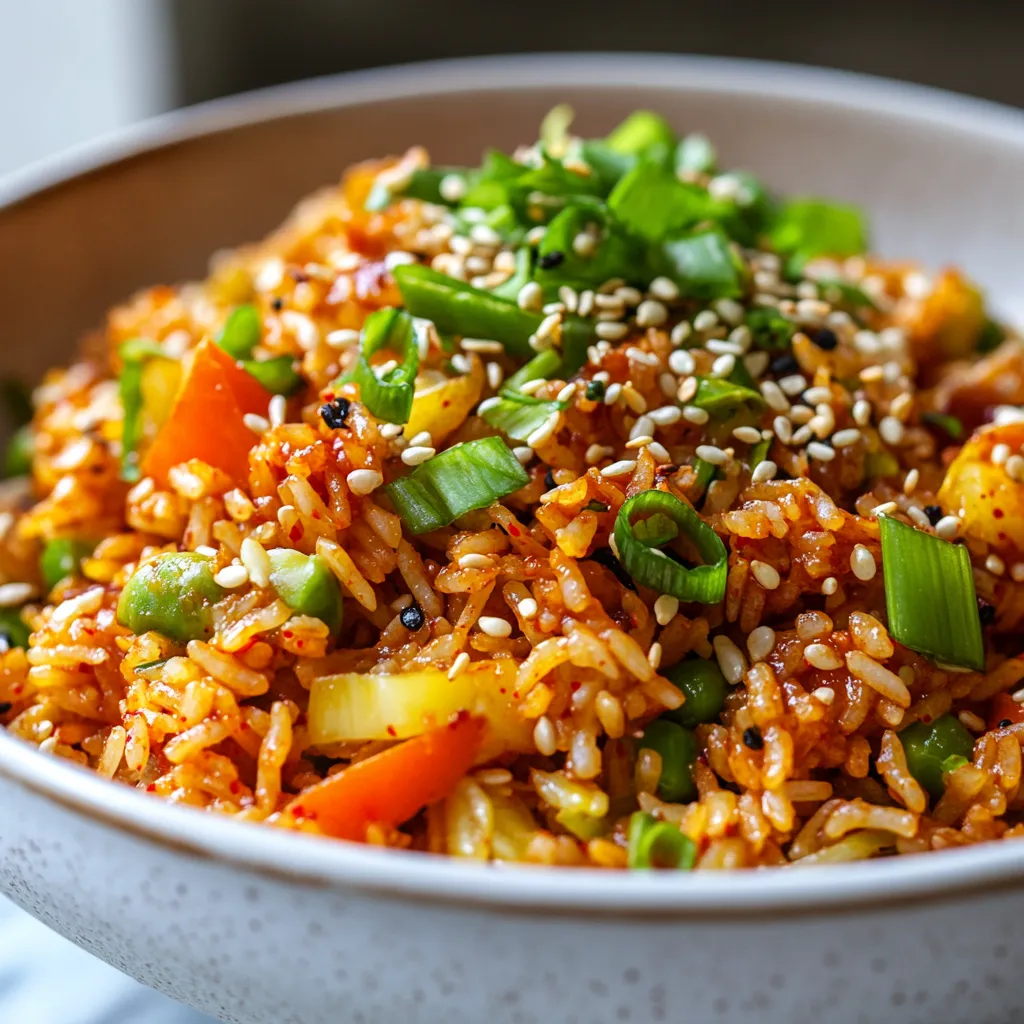
Exploring the world of fried rice brings forth a myriad of flavors and textures, and Spicy Gochujang Fried Rice holds a special place among them. This dish blends the comforting staple of jasmine rice with the bold vibrancy of Korean ingredients, creating a wholesome meal that delights the palate. Infused with spicy gochujang, a savory chili paste, this fried rice recipe not only satisfies hunger but also takes taste buds on an adventure filled with spicy kicks and umami richness.
The array of mixed vegetables adds not just nutritional value but also a burst of color, making each bite visually appealing and wholesome. Whether you’re looking to whip up a quick lunch or a filling dinner for family and friends, this dish is sure to impress. It’s simple yet offers a unique twist on a familiar favorite, perfect for any home cook looking to explore or expand their culinary repertoire.
Recipe Overview
In this section, we’ll take a quick glance at what makes Spicy Gochujang Fried Rice not just a meal but an experience. The combination of ingredients and cooking techniques plays a pivotal role in creating a delicious outcome.
– Prep Time: Not specified in the recipe
– Cook Time: Not specified in the recipe
– Total Time: Not specified in the recipe
– Course: Not specified in the recipe
– Cuisine: Not specified in the recipe
– Servings: Not specified in the recipe
– Calories: Not specified in the recipe
Flavor Profile
The dish features a unique balance of spice, sweetness, and umami, courtesy of the gochujang. The slight heat from the chili paste is beautifully offset by the earthy richness of sesame oil and the slight sweetness of the mixed vegetables. This complex flavor combination creates a harmonious experience that elevates the standard fried rice to new heights.
Cooking Techniques
Utilizing sautéing and scrambling methods, the rice absorbs flavors while maintaining a firm texture. The quick sauté of vegetables allows them to retain their vibrant colors and crunchiness, while the scrambled eggs contribute a fluffy texture that blends perfectly with the grains of jasmine rice. The simplicity of these cooking techniques makes it accessible, ensuring that even novice cooks can achieve delicious results in a short amount of time.
Meal Occasion
Spicy Gochujang Fried Rice is ideal for any meal—be it a quick lunch or a fulfilling dinner. Its versatility makes it suitable for both family dinners and casual gatherings, impressing guests with its bold flavors and inviting presentation. Pair it with a refreshing salad or a side of pickled vegetables for a complete meal that is both comforting and satisfying.
Ingredients
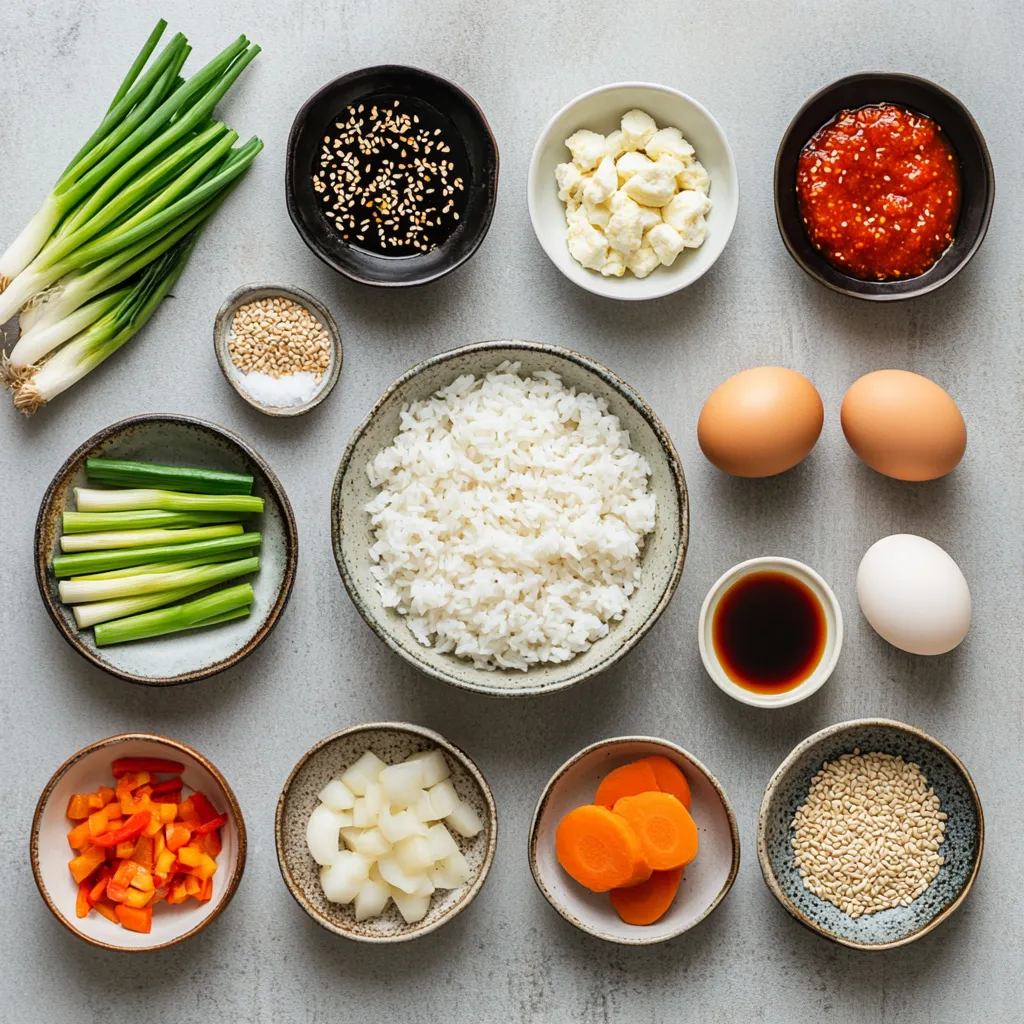
The right combination of ingredients is crucial for achieving the perfect Spicy Gochujang Fried Rice. Here, we break down each element and its contribution to the dish.
– 2 cups of cooked jasmine rice (preferably refrigerated overnight)
– 2 tablespoons of gochujang (Korean chili paste)
– 1 tablespoon of soy sauce
– 1 tablespoon of sesame oil
– 1 cup of mixed vegetables (such as peas, carrots, and corn)
– 2 green onions, finely chopped
– 2 large eggs, beaten
– Salt and freshly cracked black pepper, to taste
– Toasted sesame seeds, for garnish
Rice
Cooked Jasmine Rice: The foundation of this dish, jasmine rice is perfect for absorbing flavors, especially when it has been refrigerated overnight. This gives the rice a better texture and ensures that it doesn’t clump together during cooking.
Sauces
Gochujang: The leader in flavor, this Korean chili paste adds spice and depth to the fried rice, making it distinctively Korean while perfectly mingling with other ingredients.
Soy Sauce: A staple in Asian cooking, soy sauce enhances the overall flavor profile with its salty umami notes, balancing the heat from the gochujang beautifully.
Sesame Oil: Adds richness and a nutty flavor essential for stir-frying, sesame oil is the secret ingredient that ties all the flavors together.
Vegetables
Mixed Vegetables: A colorful medley of peas, carrots, and corn not only adds nutrition but also vibrant color to the dish. The slight sweetness of the peas and the crunch from the carrots provide a delightful contrast to the spicy elements.
Aromatics
Green Onions: These are added at the end for their fresh crunch and subtle onion flavor, which lifts the dish and adds a burst of freshness.
Proteins
Beaten Eggs: The addition of beaten eggs contributes to the dish’s overall fluffiness and rich texture, making each bite satisfying.
Seasonings
Salt and Pepper: Simple yet crucial, these seasonings are added to taste, ensuring that all flavors shine through without overpowering each other.
Garnish
Toasted Sesame Seeds: Serving the fried rice garnished with toasted sesame seeds gives it a lovely crunch and visually appealing finish. The seeds add a nutty flavor that complements the overall taste experience.
Preparation Instructions
To attain the best results with Spicy Gochujang Fried Rice, follow these detailed preparation instructions that outline each step clearly.
1. In a large skillet or wok, heat the sesame oil over medium heat until shimmering.
2. Add the mixed vegetables to the skillet and sauté for 3-4 minutes, stirring occasionally, until they are tender and vibrant.
3. Push the sautéed vegetables to one side of the skillet. Pour the beaten eggs onto the other side and scramble them gently until fully cooked and fluffy.
4. Add the cooked jasmine rice to the skillet, breaking apart any remaining clumps with a spatula to ensure even mixing.
5. Drizzle the gochujang and soy sauce over the rice, and stir everything together until the rice is evenly coated and the ingredients are well combined.
6. Season with salt and freshly cracked black pepper to taste. Continue cooking for an additional 2-3 minutes, allowing the rice to heat through and absorb the flavors.
7. Remove the skillet from heat and fold in the chopped green onions for a fresh touch.
8. Serve the fried rice hot, garnished with a sprinkle of toasted sesame seeds for added crunch and flavor.
Presentation Tips
For an appealing presentation, serve the fried rice in a bowl, and top it with additional green onions and sesame seeds. You can also add a few slices of avocado or a side of pickled vegetables for a colorful contrast. The visual appeal enhances the overall dining experience, making this dish not just a meal but a feast for the senses.
Preparing the Ingredients
Chopping Vegetables
To ensure even cooking, chop the mixed vegetables into small, uniform pieces. This practice not only aids in promoting uniform heat distribution but also enhances the overall texture of the dish. Consider using a sharp knife for precision and safety, making the task of dicing peas, carrots, and corn easier.
Beating the Eggs
Before starting the cooking process, crack the two large eggs into a bowl and beat them until smooth. This will create a uniform mixture that cooks into fluffy scrambled pieces in the skillet. Incorporate a pinch of salt into the eggs to enhance their flavor even before they hit the heat.
Cooking Steps
Heating the Pan
Begin the cooking process by heating two tablespoons of sesame oil in a large skillet or wok over medium heat. It is essential to let the oil shimmer slightly, as this indicates that it has reached the right temperature to start cooking the vegetables and helps to draw out the flavors effectively.
Sautéing Vegetables
Once the oil is hot, add the chopped mixed vegetables to the skillet. Sauté the vegetables for approximately 3-4 minutes, stirring occasionally until they become tender and vibrant. The goal here is to allow the natural sweetness of the vegetables to caramelize slightly and to maintain their bright colors for visual appeal.
Scrambling the Eggs
Once the vegetables are tender, push them to one side of the skillet. Pour the beaten eggs onto the empty side and scramble them gently with a spatula. Keep stirring until the eggs are fully cooked and fluffy, usually just a couple of minutes. This step adds richness to the fried rice while ensuring the eggs are soft.
Combining Rice and Sauces
With the eggs scrambled and the vegetables tender, it’s time to incorporate the stars of the dish—2 cups of properly cooked jasmine rice. Add the rice to the skillet and gently break apart any clumps using your spatula. Once the grains are separated, drizzle 2 tablespoons of gochujang and 1 tablespoon of soy sauce over the rice. Stir everything together until every grain is evenly coated with the vibrant sauces, absorbing the flavors beautifully.
Flavor Enhancements
To take your Spicy Gochujang Fried Rice to new heights, consider these flavor enhancement techniques that can elevate the dish beyond conventional expectations.
Adjusting Spice Levels
Increasing the spice levels can tailor the dish to your personal preference.
– Adding More Gochujang: For those who love an extra kick of heat, simply increasing the gochujang can significantly elevate the flavor profile. Start with an additional teaspoon or two, tasting as you go to avoid overwhelming the dish.
– Incorporating Chili Flakes: For those who prefer a more subtle heat, consider a light sprinkle of red pepper flakes while cooking. This addition can provide an additional layer of spice without overshadowing the existing flavors present in the fried rice.
Enhancing Texture
Improving the texture of your spicy fried rice can be a game-changer.
– Using Leftover Rice: Opt for rice that has been cooked and stored in the refrigerator overnight. This not only improves the texture but also prevents the rice from clumping together when sautéing. The cold rice tends to fry better, yielding a deliciously separated grain.
– Incorporating More Vegetables: Feel free to experiment by adding more vegetables to provide extra crunch and color. Choices like bell peppers, zucchini, or even baby corn can give a delightful twist to the dish while boosting its nutritional content.
Serving Suggestions
Presentation is a vital part of any dining experience, particularly with dishes like Spicy Gochujang Fried Rice. Here are some effective serving suggestions to create a colorful yet appetizing plate.
Plating the Fried Rice
– Using Bowls: A rustic bowl can provide a warm and inviting presentation for the fried rice. Not only does it hold the dish well, but it also makes it easy for guests to serve themselves.
– Layering Ingredients: For visual appeal, consider layering the fried rice attractively in the bowl. Start with a layer of the rice, followed by a scattering of the sautéed vegetables and a sprinkle of the fluffy scrambled eggs on top. This layering technique allows the vibrant colors of the ingredients to shine through.
Complementary Sides
Enhancing the meal with complementary sides can also elevate the overall dining experience.
– Avocado Slices: Adding slices of creamy avocado on the side of the fried rice can provide a rich contrast to the spicy flavors and create a beautiful presentation.
– Pickled Vegetables: Introducing a side of pickled vegetables, such as kimchi or pickled radishes, offers a tangy contrast that balances the heat of the gochujang and brings brightness to every bite.
Variations
The concept of Spicy Gochujang Fried Rice can be adapted in numerous delightful ways. Here are a few variations to consider:
Protein Additions
To enhance heartiness and cater to different dietary needs, consider incorporating an additional protein component.
– Chicken or Tofu: Feel free to add cooked chicken breast or extra-firm tofu cubes to the fried rice. This not only adds protein but also lends additional texture and flavor to make the dish even more satisfying.
Vegan Adjustments
For those following a plant-based diet, modifications can be easily implemented.
– Omitting Eggs: For a vegan version, simply omit the scrambled eggs altogether. The dish remains flavorful due to the robust gochujang and vegetables yet offers a plant-friendly alternative without losing any of its charm.
– Using Plant-Based Proteins: Consider substituting with plant-based proteins such as tempeh or a commercial vegan egg alternative, which can maintain the desired texture and satisfy cravings without the use of animal products.
Conclusion
This Spicy Gochujang Fried Rice is a versatile dish that can be adjusted to fit various tastes and dietary requirements. With its balance of spice, texture, and vibrant vegetables, it promises a satisfying meal every time. Enjoying it with complementary side dishes enhances the experience, making it a memorable addition to any table.
Spicy Gochujang Fried Rice Recipe
Ingredients
- 2 cups cooked jasmine rice
- 2 tablespoons gochujang
- 1 tablespoon soy sauce
- 1 tablespoon sesame oil
- 1 cup mixed vegetables
- 2 green onions
- 2 large eggs
- Salt and freshly cracked black pepper
- Toasted sesame seeds
Instructions
- Heat sesame oil in a large skillet over medium heat until shimmering.
- Add mixed vegetables and sauté for 3-4 minutes until tender.
- Push vegetables to one side and scramble beaten eggs on the other side.
- Add cooked jasmine rice, breaking apart clumps with a spatula.
- Drizzle gochujang and soy sauce over rice, stirring to combine.
- Season with salt and pepper, cooking for an additional 2-3 minutes.
- Remove from heat and fold in chopped green onions.
- Serve hot, garnished with toasted sesame seeds.